In developing countries around the world, addressing the needs of people at the bottom of the pyramid (BoP) is both an opportunity and challenge. They are the largest, yet often underserved, segments of society. They have the same needs as people in the developed world but are penalised by low disposable incomes to purchase products. Franchises, who can adapt scalable business models and build on their established brand reputation and franchise success, have the potential to offer affordable products and services to BoP communities while simultaneously generating healthy profits.
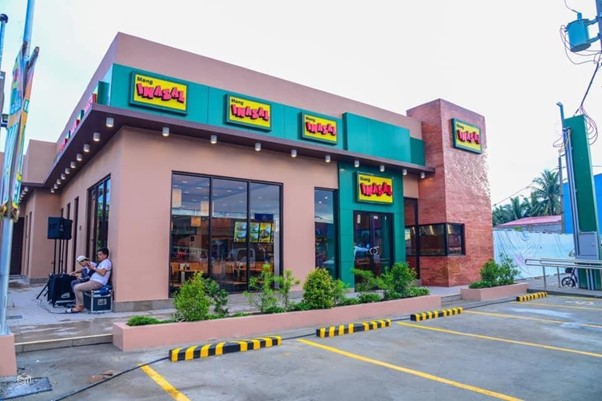
Mang Inasal, is an example of popular growing fast-food chicken chain in the Philippines owned by Jollibee a major established fast food chain in the Philippines, highlights how franchises can tap into the BoP market, balancing and achieving business goals but also creating social impact in BoP communities.
Understanding the Bottom of the Pyramid
It was C.K. Prahalad, a lateral business thinker in 1998 pioneered and coined the concept of the bottom of the pyramid. He argued that companies could generate significant profits while improving the quality of life for the world's poorest populations. Prahalad's seminal work suggested that the four billion people living on less than $2 a day represented a vast, untapped market. By innovating products and services tailored to their needs, businesses could foster economic development and uplift these communities.
BoP Key Challenges
The BoP demographic often faces multifaceted challenges, including limited access to essential goods and services. Economic constraints are a primary barrier, with low income levels restricting purchasing power. Additionally, infrastructural inadequacies such as poor transportation networks, lack of reliable electricity, and insufficient healthcare and educational facilities exacerbate their difficulties. These factors collectively create a challenging environment for businesses aiming to serve the BoP market.
In the Philippines, the BoP segment is substantial, with a significant portion of the population 20 million approximately living below the poverty line. This is especially pronounced in rural areas and urban slums, where economic opportunities are scarce, and living conditions are harsh. For franchise businesses looking to engage with this demographic, understanding their unique needs and constraints is crucial.
Strategies for Engaging the BoP Market
To be successful servicing the needs of BoP you need flexibility in developing key strategies with a focus on the following:
Affordability: Products and services must be priced within the reach of low-income consumers without compromising on quality. This often requires companies to innovate cost-effective solutions and optimise their operations to maintain profitability while keeping prices low.
Accessibility: BoP consumers often live in remote or densely populated areas with limited infrastructure. Businesses must develop efficient distribution channels to ensure that their products and services reach these communities. This may involve leveraging local networks, employing mobile technology, or establishing micro-distribution centres to overcome logistical challenges.
Cultural Alignment: Understanding and respecting the cultural preferences, values, and traditions of BoP consumers can significantly enhance product acceptance and brand loyalty. For instance, in the Philippines, food products that align with local culinary tastes and dining habits are more likely to succeed. Companies need to engage with communities, gain insights into their daily lives, and tailor their offerings accordingly.
Empowering BoP Communities: Inclusive business practices can create an ethical cycle of economic development. This includes generating employment opportunities, providing skills training, and supporting local entrepreneurship. Such initiatives not only improve livelihoods but also build a loyal customer base and enhance the company’s reputation.
The Growth of Mang Inasal
Founded in 2003 by Edgar Sia, Mang Inasal is an exemplary success story of grassroots entrepreneurship meeting corporate growth. The chain initially gained traction by offering affordable grilled chicken (inasal) meals that appealed to the Filipino palate and cultural dining preferences. Its initial success in Iloilo City prompted a rapid expansion across the Philippines, leading to its acquisition by Jollibee Foods Corporation in 2010.
Mang Inasal's Business Model
Mang Inasal's scalable business model has five key factors that make it unique and successful:- Affordable Pricing: The company offers filling, culturally appropriate meals at price points that are accessible to BoP customers. This affordability does not compromise quality, as Mang Inasal focuses on delivering consistent, tasty, and nutritious dishes.
- Cultural Relevance: By understanding Filipino culinary traditions and preferences, the chain provides meals that resonate with local tastes. The rice-all-you-can feature, where customers can have unlimited servings of rice, caters directly to the typical Filipino diet.
- Operational Efficiency: Franchises streamline supply chains, minimise waste, and utilize scalable processes. Mang Inasal has optimised its sourcing, food preparation, and customer service to provide maximum value for each peso spent.
- Employment Opportunities: By rapidly expanding into small cities and towns, the chain creates numerous jobs, often for those from low-income backgrounds. Employment benefits extend beyond direct wages, including skills development, training, and upward mobility within the organization.
- Local Sourcing: Mang Inasal sources ingredients locally, supporting the economy and reducing transportation costs. This practice aligns well with BoP market needs, ensuring fresh and affordable ingredients.
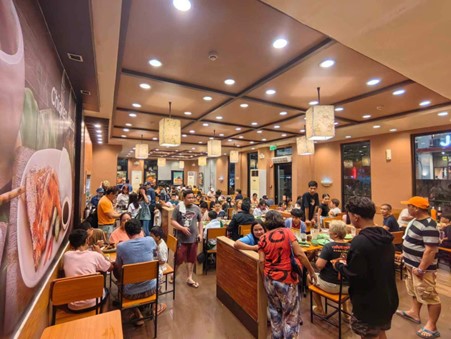
- Welcoming Atmosphere: Friendly staff and a nice store layouts for special family occasions father’s day, birthdays, graduation and other special
Social Impact and Challenges
The presence of franchises like Mang Inasal at the grassroots level can transform communities by providing job opportunities, quality food options, and economic empowerment. The franchise model enables rapid growth, ensuring consistent standards and reducing barriers to entry for aspiring entrepreneurs through franchising.
Key Challenges
Mang Inasal has a number of ongoing key challenges as outline below:
Market Saturation: As Mang Inasal expands, it must carefully consider market saturation and potential over-competition with other franchises targeting similar markets.
Maintaining Quality: Scaling up often compromises quality. Keeping food quality consistent across all outlets is essential, especially for sensitive BoP consumers.
Local Competition: In many areas, informal food vendors and local eateries offer fierce competition. Franchises must differentiate themselves with branding and quality.
Rising Costs: Inflation and fluctuating commodity prices could impact pricing structures, making it difficult to keep prices low.
Lessons for Other Franchises
Mang Inasal's experience holds valuable lessons for other franchisors aiming to tap into the BoP market in developing countries. These lessons are as follows:
Cultural Understanding: Important to have a deep understanding of local culture is crucial for any franchise's success. Local tastes, preferences, and economic dynamics must be factored into product design and marketing strategies.
Value Proposition: The BoP consumer is highly value conscious. They expect quality, filling meals or products at a low price point. Franchises should structure their operations to meet these expectations efficiently.
Community Involvement: Building strong relationships with the local community fosters loyalty and trust. Hiring locally, sourcing locally, and participating in community events can create a strong brand presence.
Adaptability: A successful franchise must adapt to the nuances of different regions within the country. Menu adaptations, marketing adjustments, and pricing flexibility can ensure relevance.
Scalability: Franchisors at BOP must establish processes that can scale without compromising quality or customer experience. Investment in logistics, training, and data management is essential. Mang Inasal was able to avail of the training, logistics and supply chain strengths of Jollibee to achieve economies of scale and combativeness.
Key-Takeaways
Mang Inasal highlights how franchisors can successfully grow and adapt their franchise business models to meet consumer needs at the bottom of the pyramid in developing countries. Their success highlights the critical importance of deeply understanding local market dynamics, providing exceptional value for money, and developing efficient, scalable business models that can adapt to the unique needs of underserved communities. Through this approach, franchises like Mang Inasal not only achieved business success but also contribute to socio-economic development of developing countries.
Dr. Nigel Bairstow is an academic practitioner with experience working in a variety of marketing roles for large multinational companies such as Alcan Aluminium, Komatsu, Atlas Copco, and 3M. He completed his PhD in Marketing in 2012. His research focus is on b2b and b2c marketing channels.
Dr. Salman Majeed, Associate Professor at SILC Business School and visiting scholar at UTS Business School, is a research scholar at the International Centre for Hospitality Research & Development, Florida State University. He serves as an ad hoc editor and reviewer for prestigious journals and focuses his research on tourism marketing, hospitality management, consumer psychology, and behaviour.
UTS is the top-ranked young university in Australia. Our vision is to be a leading public university of technology recognised for our global impact. We’re known for our innovative teaching. We’re committed to practical innovation and research that benefits industry and society. We believe in social change to create a more just and equal world.