
I once watched a neighbour repaint a weatherboard house over a long weekend. Within 18 months, the coating was chalking, blistering near the eaves, and peeling along the end-grain joints.
The house faced due west in a coastal Adelaide suburb. Australia has very high UV levels, and that speeds up coating breakdown and colour fade. Add salt-laden winds and summer surface temperatures above 60 °C, and a rushed paint job becomes an expensive test.
That is why professional painting services exist. Colour matters, but the system under it matters more. Good results come from substrate checks, product selection, safe access, and staged work.
The difference shows up in coating life, compliance records, and how little disruption the job causes at home or at work.
What Professional Painting Services Cover
Professional painting is a building maintenance service, not just colour application.
The scope can cover house exteriors, interior rooms, office fit-outs, warehouses, and live-site repaints where people stay in the building. A solid contractor plans each job around substrate type, occupancy, weather, and access.
The first visit should include more than a quick measure-up. Professionals look for moisture, failed caulk, rust, mould, old patch repairs, and any coating that has lost adhesion. They may test a small area before they price the full system.
In Australia, AS/NZS 2311 guides building painting. Product data sheets and technical data sheets set recoat times and the required dry-film thickness, which means the cured coating depth. A Safe Work Method Statement, or SWMS, records the site hazards and controls.
Some projects need extra standards. AS 4586 covers slip resistance for floor coatings, and AS 1530.4 covers fire testing for intumescent coatings that swell in heat to protect steel. At handover, you should get a product schedule, batch numbers, touch-up colours, and clear warranty terms.
Why Australia’s Climate Demands Strong Exterior Systems
Australia’s climate is hard on paint, so exterior work needs more than a fast clean and two topcoats.
Strong UV breaks down binders, coastal salt attacks metal, and fast heating and cooling stresses joints and edges. On masonry, salt and moisture can drive blistering under the film.
Each surface fails in its own way. Weatherboard end-grain pulls in water when left unsealed. Render develops hairline cracks. Galvanised railings need the right primer, and hardwood fascias can bleed tannin through a light topcoat.
Good prep starts with diagnosis. Professionals check surface soundness, treat mould, wash salt film, repair failed sealant, and confirm the wall is dry enough to coat. Queensland guidance notes that painted masonry commonly needs repainting every seven to ten years, though coastal exposure can shorten that cycle.
Safety also shapes the method. Work at heights needs controls under Safe Work Australia guidance. Homes built before 1970 may hold lead-based paint, sometimes with very high lead content, and older fibro elements can contain asbestos. These risks need formal controls before sanding or scraping starts.
Planning a Coastal House Repaint in Adelaide
A west-facing coastal home needs a paint system built for salt, heat, and sharp afternoon sun.
The first decision is not colour. It is how the crew will clean, seal, and protect each substrate. On a typical Adelaide weatherboard and rendered masonry job, the crew may start with a salt-mist washdown to remove dirt and chloride deposits from sea air, then set an AS/NZS 2311-compliant system, so comparing professional exterior painters is the practical next step when you need local scheduling, safety paperwork, and substrate-specific product selection.
Damaged caulk is cut out and replaced before coating starts. Bare timber gets a tannin-blocking primer, masonry gets an alkali-resistant primer, and metal gets the primer that matches its surface. That sequence stops common failures such as stain bleed, peeling, and early blistering.
Application matters as much as product choice. The topcoat has to reach the specified dry-film thickness, or cured thickness, to resist weather. Proper scaffold, edge protection, and containment keep workers safe and stop dust or wash-water from reaching the street or stormwater.
If older coatings test positive for lead, the method changes again. Wet scraping, HEPA vacuuming, which captures very fine dust, and perimeter containment reduce risk for occupants and neighbours. That sequence is why a professional job can last close to a decade instead of failing in three or four years.
Local context matters, too. A South Australian quote should reflect west-facing heat, coastal salt, and the way weatherboard homes move through the year. Region-specific planning should be clear in the scope notes, washdown method, access plan, and timing allowances.
Light-coloured or reflective coatings can also cut summer heat gain. The Australian Government’s YourHome guidance notes that reflective surfaces can improve comfort and lower cooling loads, though results still depend on orientation, insulation, and shade.
Improving Interior Rooms With Professional Painters
Interior painting works best when air quality, protection, and re-occupancy are planned from the start.
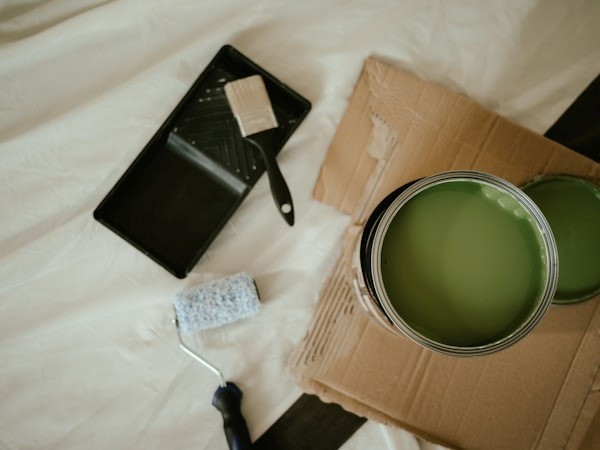
That matters in bedrooms, kitchens, and hallways where people need to keep using the space. Low-VOC paint means the product releases fewer volatile organic compounds into the air. That reduces odour and supports a faster return to normal use.
Many premium water-based paints are touch-dry in about 30 minutes, ready for recoat in about two hours, and fully cured in about seven days. Those numbers matter because families usually care less about roller speed than they do about when the room is safe to use again.
Finish choice should match wear. Scrubbable acrylic works well on living areas and hallways. Moisture-tolerant products with mould-resistant additives suit bathrooms and kitchens. Harder enamel or urethane finishes stand up better on skirting boards, doors, and frames.
Good crews also protect the room before they open a tin. They remove hardware where practical, mask floors and fittings, control dust during prep, and clean up daily. That seems basic, but it is usually where rushed jobs show their shortcuts.
Older homes need extra checks. Lead paint can hide under newer coats, and painted fibro eaves or wet-area linings may contain asbestos. A professional should flag those risks at quote stage and explain the containment, testing, and disposal steps before work begins.
Staging an Office Repaint With Minimal Downtime
An office repaint should improve the workplace without interrupting core work.
The main goals are low odour, safe re-entry, and staging that keeps teams moving. Indoor air quality is part of that equation. Australian Government reporting cites CSIRO estimates that poor indoor air quality may cost the economy up to $12 billion each year.
In controlled studies, people in greener office conditions with better ventilation recorded about 100 percent higher average cognitive function scores than people in conventional conditions. That is why low-VOC products matter in fit-outs and repaints.
Green Star Office Interiors awards credit when at least 95 percent of painted surfaces use low-VOC paint. NABERS Indoor Environment also tracks indoor air quality, and fit-out guidance links low-emission materials to lower TVOC, or total volatile organic compound, levels.
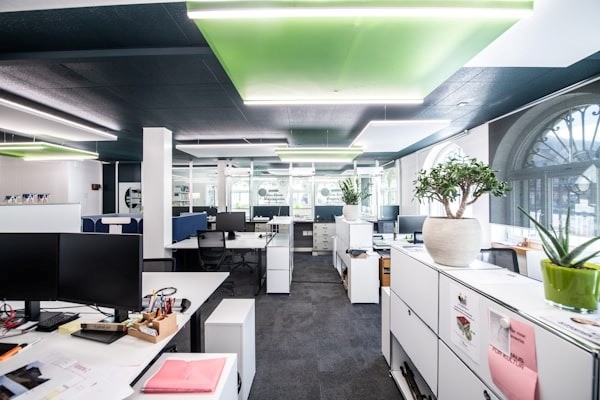
A well-run live-site project follows a clear sequence. The contractor checks ventilation, isolates occupied areas, confirms after-hours access, and stages floors so staff can return the next morning. Morning checks, clear signage, and a single contact for building management help prevent complaints.
Some zones need specialist coatings. Amenity floors or lobbies may need slip resistance classified under AS 4586. Plant rooms may need chemical-resistant systems. Exposed structural steel may need intumescent coating, which swells in heat to slow steel failure during a fire.
If you are comparing live-site scopes, look for detail on sequencing, ventilation, low-VOC products, after-hours access, morning re-entry checks, and method statements for occupied floors, because facility managers usually need staging that works around cleaners, lifts, security, tenancy notices, and building-management approvals across several staff return-to-service windows before carefully choosing professional office painter services for scoping, staging, and live-workplace controls that support occupant wellbeing and NABERS IE goals.
Checking Compliance, Safety, and Scope
Good hiring decisions come from documents, not from the smoothest sales pitch.
Licensing rules vary by state, so check the register that applies where the work is being done. In NSW, a contractor licence is required for residential painting over $5,000 including GST. In Queensland, the appropriate QBCC licence is required for painting work over $3,300.
Insurance and method statements matter just as much as the licence. Ask to see public liability and workers compensation certificates of currency. If the site has height risks, lead paint, or asbestos concerns, the SWMS should spell out the controls in plain language.
Before work starts, ask for these documents:
- Certificates of currency for public liability and workers compensation insurance.
- SWMS covering work at heights, lead-safe procedures where relevant, and asbestos awareness.
- Product schedule listing brands, product codes, and data sheet references, with low-VOC confirmation for occupied spaces.
- Programme and staging plan with access arrangements, weather contingencies, and return-to-service dates.
- Warranty and defects-period terms in the formal contract, including how variations are approved.
Waste handling should also be clear. Paintback collected about 8.6 million kilograms of unwanted paint and packaging in its latest reporting period. Leftover coatings, wash-water, and sanding residue should never be sent into stormwater.
Budgeting, Scheduling, and Long-Term Maintenance
Clear scope and steady maintenance usually save more money than chasing the cheapest quote.
Ask for line items covering access, substrate repair, primer and topcoat systems, colour count, protection, clean-up, and any after-hours premium. A low price that hides repair work can become the highest total cost halfway through the job.
The schedule should match the site. Homes need a weather window, pet control, driveway access, and notice about noise. Offices need tenant notices, lift access rules, after-hours approvals, and a plan for areas that cannot be vacated.
During the work, quality control should be visible. Wet-film gauges confirm application rate, adhesion tests check sample areas, colour drawdowns help final approval, and progress photos create a record if defects appear later.
After handover, maintenance keeps the system working. Exterior coatings benefit from annual washdowns to remove salt and mould. Interior touch-ups are easier when you keep batch numbers and a room-by-room colour map. Watch for chalking, micro-cracking, failed caulk, or blistering near flashings and parapets.
FAQ
Most painting problems are easier to avoid when the basics are clear before work starts.
How long until rooms are usable after interior painting?
Most premium water-based low-VOC paints are touch-dry in about 30 minutes and ready for recoat in about two hours. Keep the room well ventilated, and avoid wet-wiping new walls until the seven-day cure period has passed.
What if my home was built before 1970?
Older homes may contain lead-based paint, and some painted fibro products may contain asbestos. A professional should test suspect materials where needed and use wet methods, HEPA filtration, and containment before disturbing them.
Can painting help reduce energy bills?
It can. Light-coloured or reflective exterior coatings reduce solar heat gain, which can improve summer comfort and lower cooling loads. The effect still depends on orientation, insulation, ventilation, and shade.
How do I avoid odour complaints in the office?
Specify low-VOC products, schedule work after hours, and make sure ventilation runs long enough before staff return. Morning checks and clear notices to occupants help reduce complaints and confusion.
How often should exteriors be repainted?
Painted masonry commonly needs repainting every seven to ten years, depending on exposure and maintenance. Coastal and high-UV sites may need shorter cycles. Annual washdowns and early repair of cracks or failed caulk can stretch the interval.
What documents should I keep after the project?
Keep the product schedule, batch numbers, warranty terms, safety data sheets, touch-up colours, and any maintenance notes. Those records make future repairs easier and help protect resale value.