
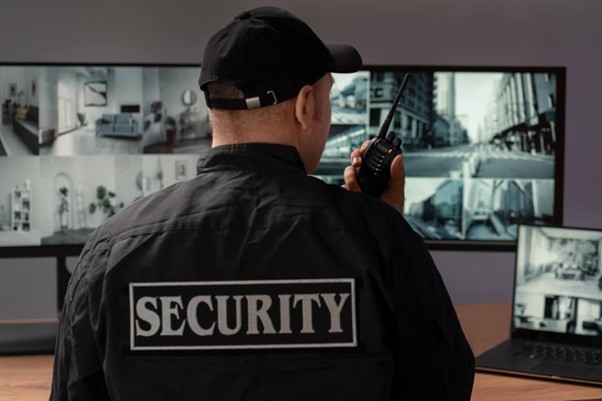
Running a franchise in today’s world is about more than just products and profits—it’s also about protecting your business. Whether you own a single franchise unit or operate multiple locations, security has become a top priority for modern franchise owners. From physical threats like theft and vandalism to digital risks such as cyberattacks, franchises now face a complex range of security challenges that simply didn’t exist a decade ago.
As customer expectations evolve and technology advances, franchises are investing in smarter, more comprehensive security solutions to safeguard their people, assets, and reputations. This guide explores why security is now a non-negotiable part of franchise management and how businesses can take proactive steps to stay protected.
The Growing Risks Facing Franchise Businesses
Franchise operations, by nature, are designed for scalability and consistency. But with growth comes exposure to various risks that can threaten business continuity and customer trust. Security incidents don’t just damage property—they can harm brand reputation and lead to costly legal problems.
Theft and Vandalism
Retail franchises, fast-food outlets, gyms, and service businesses are often targets for theft and vandalism. Whether it’s cash register theft, stockroom burglary, or property damage after hours, the financial losses can add up quickly. For franchises operating multiple sites, these risks multiply across each location.
Cybersecurity Threats
Modern franchises often rely on digital systems for sales, inventory management, and customer data collection. This makes them vulnerable to cyber threats like data breaches, phishing attacks, and ransomware. A cyberattack doesn’t just result in financial loss—it can severely damage customer trust, especially if sensitive data is compromised.
Liability and Legal Exposure
Without proper security measures, franchise owners may face legal action from customers or employees injured on poorly secured premises. Inadequate security could lead to lawsuits, higher insurance premiums, or even franchise penalties depending on contractual obligations.
Employee and Customer Safety
Workplace violence, harassment, or safety incidents can happen in any business setting. Ensuring that staff and customers feel secure is essential for maintaining a positive business environment and avoiding HR-related risks.
Why Security Is Now a Franchise Investment Priority
As risks increase, franchise owners are shifting from reactive to proactive security strategies. Security is no longer viewed as just an operational expense—it’s now considered a strategic investment that supports long-term growth.
Protecting Brand Reputation
A franchise is only as strong as its brand reputation. One security breach, whether physical or digital, can damage customer confidence and lead to negative media attention. Investing in better security sends a message that the business values safety and professionalism.
Reducing Operational Disruption
Security incidents often force temporary shutdowns while investigations take place. This disrupts operations, causes revenue loss, and creates customer inconvenience. Strong security systems reduce the likelihood of incidents and help businesses operate smoothly.
Meeting Franchise Standards
Many franchisors require specific security protocols to ensure uniform protection across all franchise locations. Staying ahead of security trends helps franchisees meet these standards and maintain good standing within their franchise network.
Enhancing Customer Trust
Consumers today are more conscious of safety, especially when visiting physical locations. Visible security systems like cameras and alarms give customers peace of mind and show that the business prioritizes their well-being.
Modern Security Solutions Franchises Are Using
Technology has made business security smarter, faster, and more reliable. Franchise businesses are adopting a mix of traditional and digital security tools to cover all possible vulnerabilities.
CCTV Surveillance
Modern CCTV systems don’t just record video—they offer real-time monitoring, motion detection, and remote access via smartphones or computers. This allows franchise owners to keep an eye on multiple locations without being physically present.
Alarm Systems
Advanced alarm systems can detect unauthorized access, fire, and other emergencies. With smart integration, alarms can trigger automatic notifications to management, security services, or emergency responders.
Access Control Systems
Managing who can enter restricted areas is critical in a franchise environment. Access control systems use keycards, PIN codes, or biometric scanners to limit entry to sensitive spaces like cash rooms, stock areas, or offices.
Cybersecurity Protection
Firewalls, encryption, and secure payment systems are essential for protecting customer data and preventing online threats. Regular software updates and cybersecurity training for staff also reduce risk.
Working with Professional Security Providers
Implementing advanced security systems requires expert guidance. Franchise owners often turn to professional security providers for tailored solutions that fit their specific needs. Companies like Guard1 Security specialize in helping franchises design and install custom security systems, from CCTV networks to commercial alarm setups. With professional support, franchise owners can ensure their security infrastructure is both effective and compliant with industry standards.
Working with experienced providers also means getting ongoing maintenance, system upgrades, and monitoring services, so franchisees can focus on running their business instead of worrying about technical issues.
The Long-Term Benefits of Better Security
Investing in modern security is not just about preventing theft or stopping hackers—it’s about creating a sustainable business model that values safety, trust, and efficiency. Here are some long-term benefits:
Lower Insurance Premiums: Insurers often offer reduced rates to businesses with advanced security systems in place.
Improved Employee Retention: Staff members feel safer and more valued when security is taken seriously.
Stronger Customer Loyalty: Customers prefer to engage with businesses that prioritize safety and professionalism.
Franchise Growth: A secure operation is easier to scale, attracting investors and new franchisees who value strong risk management.
Final Thoughts
For modern franchises, security is no longer optional—it’s essential. From protecting physical locations to securing customer data, the risks of operating without adequate protection are too high to ignore. By investing in comprehensive security measures and working with trusted experts, franchise owners can safeguard their business, build customer trust, and set the foundation for long-term success.