
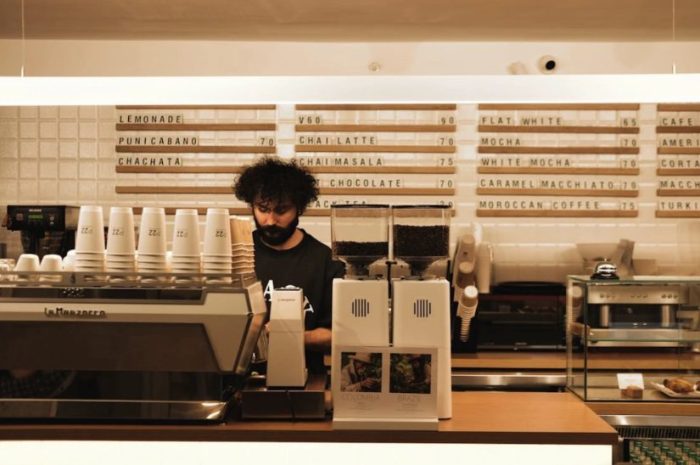
A customer walks through the door. They haven’t spoken to anyone yet. They haven’t checked the menu, touched a product, or asked about pricing.
Still, they’re already deciding.
That first impression happens fast. Too fast, really. The storefront, the lighting, the floor, the smell of the space, the way staff look up or don’t look up. It all lands at once. Customers may not think, “This business is well managed,” but they feel it. And feelings tend to drive buying behavior more than many operators like to admit.
For customer-facing franchise businesses, that matters because every location represents the wider brand. One messy counter or flat greeting doesn’t just reflect on one franchisee. It can change how a customer sees the whole network.
A bit harsh? Maybe. But customers aren’t grading on effort.
The Franchise Brand Is Always on Display
Franchising works because people trust familiarity. A customer sees a known logo and expects a certain standard. That expectation is part of the value of buying into a franchise system in the first place.
The problem is that the brand promise has to survive the real world.
Busy lunch rushes. Staff turnover. Weather. Deliveries arriving late. A tired shopfront that needs repairs. Normal things happen every day, but customers still expect the business to feel reliable.
This is where first impressions become more than aesthetics. They signal whether the location follows the system properly. A clean, organized, welcoming space tells customers the business has discipline. A neglected one says the opposite, even if the product is excellent.
That’s the frustrating part. A franchise can do many things right, then lose trust because the first thirty seconds feel wrong.
Cleanliness Sends a Message Without Saying Much
Cleanliness is one of the simplest ways to build customer confidence. It’s also one of the easiest things to overlook when a business gets busy.
Customers notice smudged glass, dusty shelves, sticky tables, overflowing bins, and tired restrooms. They may not mention it. They may still complete the transaction. But the impression sticks.
This applies across industries. A gym needs to feel hygienic. A childcare franchise needs to feel safe. A food outlet needs to feel fresh. A retail store needs to feel cared for. The details change, but the principle doesn’t.
For a franchise operating in Melbourne’s inner north, working with a provider experienced in commercial cleaning Brunswick can help maintain consistent presentation standards in a busy suburb known for foot traffic, hospitality venues, and local retail activity.
Customers rarely praise a spotless entryway. They just trust it. Funny how that works.
Staff Set the Tone Immediately
A clean space matters, but people still shape the emotional side of the experience.
A warm greeting can soften a wait. A distracted employee can make even a well-designed store feel cold. Customers don’t need a grand performance. They need to feel seen.
This is where customer-facing franchises can gain a real advantage. Strong systems should not create robotic service. They should give staff enough structure to deliver a consistent experience while still sounding human.
A simple “Hi, how are you going?” said with actual attention can do more than a polished poster on the wall. Small gestures count. Eye contact. Clear directions. A patient tone when someone asks a basic question.
No one wants to feel like an interruption.
Franchisees should treat service behavior as part of brand compliance, not a nice extra. The uniforms, signage, and menu boards might be consistent, but if the greeting feels careless, customers remember that first.
First Impressions Affect Perceived Value
Customers often judge value before they judge price.
A well-presented franchise location can make the same product feel more worthwhile. The opposite can make a fair price feel expensive. That’s not always logical, but it’s how people respond to environments.
Think of two quick-service restaurants selling similar meals. One feels clean, efficient, and friendly. The other feels chaotic and slightly neglected. Even if the food tastes similar, the first business feels like the safer choice.
That perception matters when customers have options nearby. In many retail, food, fitness, beauty, and service categories, competitors sit only minutes apart. A weak first impression gives customers a reason to try somewhere else next time.
And next time is where franchise profitability often lives.
Repeat visits, add-on purchases, referrals, and reviews usually come from customers who felt comfortable early. The first visit sets the tone for all of that.
Consistency Protects the Network
One standout location can lift a brand’s reputation in a local market. One poor location can create doubt.
That’s why franchisors need to make first impressions part of operational training and ongoing review. Not as a box-ticking exercise. As a serious driver of customer trust.
Clear standards help. So do regular checks, mystery shopping, customer feedback, and practical support for franchisees who need help improving presentation or service flow. Franchisees are often juggling staffing, stock, finances, and local marketing. They need standards that are clear enough to follow on a busy Tuesday, not just in a training manual.
Consistency doesn’t mean every location feels identical in a bland way. Local personality still has a place. But the customer should never wonder whether the brand cares about quality.
Small Details Can Carry the Whole Experience
First impressions are rarely built from one big thing. They come from many little ones.
The sign is easy to read. The windows are clean. The staff member looks up. The counter is clear. The music isn’t too loud. The space smells fresh. The customer knows where to go.
None of these details sound dramatic. That’s the point.
Customer-facing franchise businesses don’t always need huge changes to improve the way people respond. Sometimes the strongest advantage comes from doing the basics better, every single day.
First impressions matter because customers use them as shortcuts. They decide whether a business feels safe, professional, welcoming, and worth their time. Once that belief forms, it’s hard to reverse.
Better to get it right at the door.