

People often look at the Australian childcare sector and see guaranteed money. The government heavily subsidises fees through the Child Care Subsidy (CCS), waitlists in major suburbs stretch for miles, and daily rates keep creeping up. It looks like a bulletproof investment on paper. But operating a Long Day Care or preschool isn’t passive income. You’re dealing with strict compliance frameworks, a nationwide educator shortage, and facilities that take a beating every day. Buying a centre that already shows a profit is smart, but you have to know if that profit is sustainable or just a temporary spike right before the owner decided to sell.
The reality behind the occupancy numbers
Everyone asks about the occupancy rate first. A centre sitting at 90 percent or higher looks like a goldmine. You need to dig into exactly how they got there. Are they offering massive discounts for multiple days? Are they holding onto enrolments that only attend one day a week and blocking full-time spots? Look at the underlying fee structure and compare it to competing centres in the same suburb, whether that happens to be in western Sydney or regional Queensland.
You also need to review the attendance records against the daily roster. Sometimes a high occupancy rate masks the fact that the centre constantly relies on casual agency staff to meet mandatory ratio requirements. Agency fees will destroy your profit margin faster than almost anything else. You want to see consistent enrolments managed by a stable roster of permanent educators.
ACECQA ratings dictate your immediate workload
The National Quality Standard (NQS) rating of a centre tells you exactly what you’re walking into. If the service is rated Exceeding, you’re paying a premium for good systems, strong educational programming, and solid management. Your job is simply not to break what’s already working.
If you’re looking at a centre rated Working Towards NQS, the purchase price might be lower, but the workload will be massive. You’ll need to invest in staff training, physical resources, and potentially facility upgrades to get that rating up to Meeting NQS. Sometimes an owner will sell specifically because they don’t have the energy to go through another assessment and rating process. Always factor the cost of compliance upgrades into your initial purchase offer.
Staff retention is your biggest asset
The early childhood sector in Australia is facing a severe staffing crisis. Good educators are hard to find and harder to keep. When you look at the financials, pay close attention to the staff turnover rate over the last two years.
A profitable centre with a high turnover rate is highly vulnerable. Parents build relationships with the educators, not the owner. If the lead educators leave shortly after you take over, you’ll likely see an immediate drop in enrolments. Check the employment contracts. See if the Nominated Supervisor and key Early Childhood Teachers (ECTs) are on solid agreements and genuinely happy with their working conditions. A successful handover relies almost entirely on keeping the core team in place.
Scrutinising the lease and property terms
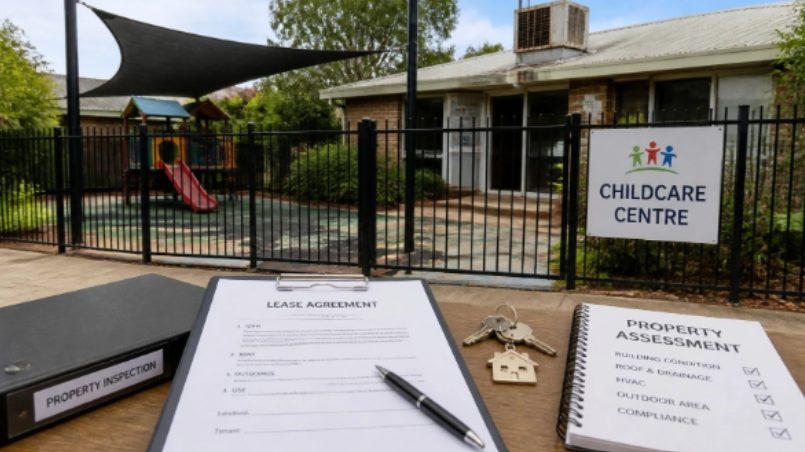
Unless you’re buying the freehold property along with the business, you’re at the mercy of the commercial lease. A profitable business is worthless if the lease expires in three years and the landlord refuses to renew or wants to double the rent.
You need a long-term lease to secure your investment. You typically want something offering at least 10 to 15 years with favourable options. Look closely at the make-good clauses and maintenance responsibilities. Childcare centres experience heavy wear and tear. If the outdoor play area needs complete resurfacing or the air conditioning units are on their last legs, you need to know whose responsibility it is to fix them before you take possession.
Untangling the financial add-backs
When looking at the profit and loss statements, you’ll see a lot of add-backs. These are personal expenses the current owner runs through the business to reduce their taxable income. Some are legitimate, like a personal vehicle or a one-off legal fee. Others are highly questionable.
You need a good accountant who specializes in the childcare sector to verify these numbers. However, this is also where specialist childcare business brokers Sydney becomes invaluable. Unlike general brokers, a childcare broker not only pre-qualifies sellers but also works with Australian regulations, ensuring a smoother negotiation and sale structure. They can often help secure a better deal simply by matching you with the right property and ensuring confidentiality throughout the process.
Critically, whether dealing directly with a private seller or through a broker, you must verify every single dollar claimed as a legitimate add-back. For example, if the current owner works 40 hours a week but doesn’t draw a wage, you must deduct a realistic salary for a centre manager from the net profit. You cannot buy a business assuming you will work for free. A reputable brokerage should also flag crucial financial traps, such as incorrectly switching merchant facility credentials during due diligence, which can cause severe cash flow issues immediately after handover.
Child Care Subsidy compliance and revenue risks
The bulk of your revenue will come directly from the government via the Child Care Subsidy. This means you aren’t just running a business; you’re administering federal funds. Any profitable centre relies heavily on getting their CCS submissions right every single week.
When buying a centre, you need to be certain the current owner hasn’t been playing games with session times or attendance reporting to maximise claims. If the Department of Education audits the centre after you take over and finds historical discrepancies, you could inherit a massive debt or face having your provider approval cancelled entirely. Make sure your due diligence includes a thorough check of their CCS reporting practices.
Identifying hidden compliance risks and waivers

Before signing anything, request the compliance history from the state regulatory authority. You want to see any breach notices, non-compliance letters, or specific conditions placed on the service approval. A centre might look pristine on a Friday tour, but the regulatory history will show if they have a habit of leaving the gates unlocked or failing to document medication administration properly.
You also need to check for temporary staffing waivers. With the shortage of qualified Early Childhood Teachers, many centres operate under a waiver. If the profitability of the centre relies on paying lower wages to unqualified staff while a waiver is in place, you have a problem. Waivers eventually expire. When they do, you’ll be forced to hire a qualified ECT at a much higher salary, which cuts straight into the profit margin you thought you were buying.
Assessing the physical environment and resources
Take a hard look at the physical space during your site visits. The depreciation schedule might look fine on paper, but you need to see the actual condition of the cots, the outdoor soft fall, and the kitchen appliances. Updating a single yard space to meet current safety standards can cost tens of thousands of dollars.
Check the storage areas and look at the condition of the educational resources. If the current owner has been pulling cash out of the business to prepare for a sale, the resource budget is usually the first thing they cut. You might find yourself needing to spend a significant amount of money in your first month just to replace broken equipment and replenish basic art supplies.
The transition of ownership
The first 90 days after settlement dictate the long-term success of the acquisition. Staff and parents get nervous when a centre changes hands. They worry about fee increases, changes to the menu, or cost-cutting on resources.
Your immediate priority is stability. Keep the current owner on for a structured handover period if possible. Don’t rush in and change the educational program or the layout of the rooms in the first month. Learn how the centre operates, understand the community dynamic, and make improvements slowly. If you manage the transition well, the staff will support you and the parents will barely notice the change in the background.