We all want to feel a bit better about ourselves, improve the health of our digestive system, make our skin look better, and maximise the gains we can expect out of our exercise routine. But guess what? Sometimes, sheer will not be enough, and in order to improve our well-being, we will need a bit of extra, external help. Why invest in probiotic collagen protein? Lots of reasons, actually. But let’s start with the countless benefits to your digestive system.
Probiotics are live microorganisms that can naturally balance the microbiome present in your gut, support your immune function, and reduce the symptoms we typically associate with GI disfunctions. When combined with collagen, their effect is maximised, as collagen can help repair your gut lining, while the good bacteria in probiotics can bring balance to your intestinal microbiome. But that’s not all.
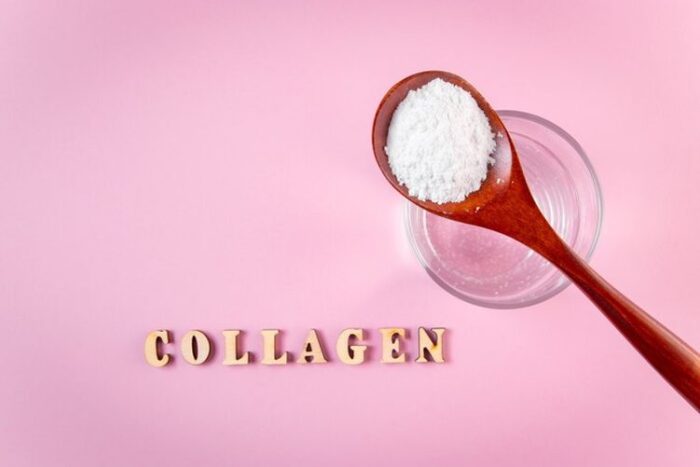
Collagen is the most abundant structural protein present in our tissues, and it accounts for no less than one-third of the proteins we have at our disposal. It provides strength to our tissue, it gives skin its elasticity, and, realistically, it’s the main reason why some people look younger than others. Collagen is fundamental for the structure of our bones, tendons, and blood vessels, and with time, the natural production of it inside our tissues starts to decline. Probiotic collagen protein powder can be a nice addition to your supplementation routine, and also help you in your physical development journey.
In What Instances Can Probiotics Actually Help Us?
Most people don’t really need probiotics, as the natural microbiome in their gut is likely healthy enough, and they don’t necessarily struggle with prolonged GI issues. But, there are some instances in which going for some versatile probiotic collagen protein powders actually makes a lot of sense.
Are you recovering after an infection, and are you currently on antibiotics? In that case, taking probiotics will become a necessity, as the meds you are taking will wipe out both good and bad bacteria present in your gut.
So, if you already need to take probiotics, why not go for a protein powder that provides both the probiotic content you need for fast recovery as well as supplementary collagen? Hit three birds with one stone, so to speak. Plus, supplements like these can help even if you are not currently on antibiotics.
Some People Have It Worse Than Others
I, for example, suffer from ulcerative colitis, and for me, taking probiotic collagen protein peptides, actually made a world of difference. You don’t want to know how unpleasant it is to deal with this chronic ailment without the right medication. Supplements like these, for people like me, help with bloating, gas, or constipation, and alleviate the symptoms of IBS and IBD. Plus, they are good to take if you are travelling abroad and you are worried about food sensitivity.
Probiotics can ward off sudden digestive disorders and make it less likely to be hit with severe food poisoning. Personally, I think it works. I’ve travelled all over SE Asia for months at a time, and I think the main reason why I’ve not been sick once is that I take probiotics with collagen and protein powder as a daily supplement.
Plus, there’s another thing. Around 70% of our immune system is interconnected with the health of our GI tract. Probiotics will not make a huge, substantial difference when it comes to the strength of your immune cells. But there are studies out there that showcase a direct correlation between probiotic usage and a reduction in cold symptoms.
Why Collagen?
Like we already said, collagen is the main structural protein found inside your tissues. You can think of it like the glue that holds you together. Skin, tendons, blood vessels, cartilage, pretty much all the structures that make you, well, you, are at least partly impacted by collagen. But there’s an issue: collagen production starts to decline around our mid-twenties at a rate of around 1.5% per year.
It’s the reason why, once you hit your mid-thirties, you might find yourself noticing less elasticity in your skin. Collagen maintains the structure and elasticity of your skin and tissues and it also contains glycine and glutamine, which help protect your intestinal lining. Collagen is not magic, as it is an incomplete protein that’s not ideal for muscle growth. But it’s important to take care of yourself after you reach your thirties, and an even better idea would be to combine collagen with protein powder.
Do You Actually Need Protein Powder?
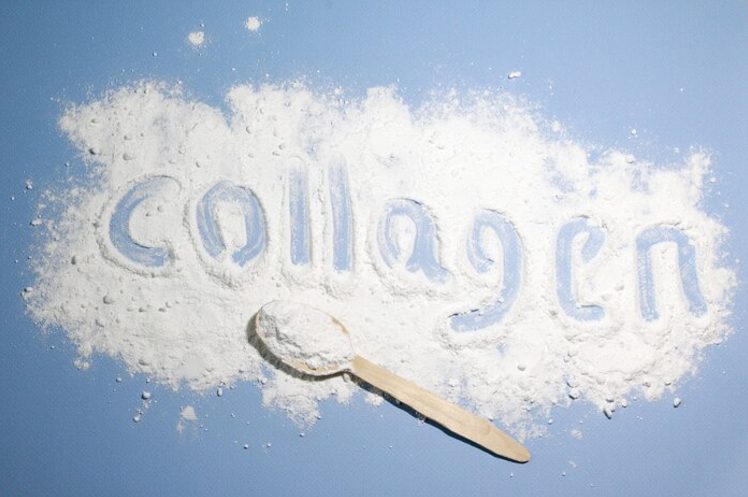
It depends. Are you travelling a lot and you can’t hit your protein target with food alone? You want something that will give you a boost post-workout, or you simply don’t have the funds necessary to invest in high-protein, qualitative foods? Then, yes, probiotic collagen protein powder makes perfect sense.
If you manage to hit around 2g of protein per kg of bodyweight, from food alone, then sure, protein powder is likely not really needed. But, if you want to go for the easier route, you are tired of counting down your calories, and you are looking to slim down, probiotic collagen protein peptides just make perfect sense. I personally didn’t use protein powder at the start of my fitness journey and now I can wholeheartedly say that this is something that I regret.
Protein powders are available in a wide variety of flavours, you can purchase them pretty much everywhere, and they can support your body recovery in times when your nutritional intake is less than optimal. As an example, I am currently backpacking across Thailand, and protein powders, for me, are a way to at least preserve my muscle mass during times when I can’t properly work out. Now, are these powders magical? No. But I really do think they help me, and they are convenient enough that they are one of the first things I purchase when travelling to a new country.