Burst pipes, leaking roofs, overflowing bathtubs, and rising wastewater – there are numerous causes of water damage in your home. While it is tempting to ignore minor water leaks, the long-term consequences are anything but ignorable.
This brief guide explores the hidden dangers of water damage so you can take timely action. Let’s get in!
Structural Damage from Water Intrusion
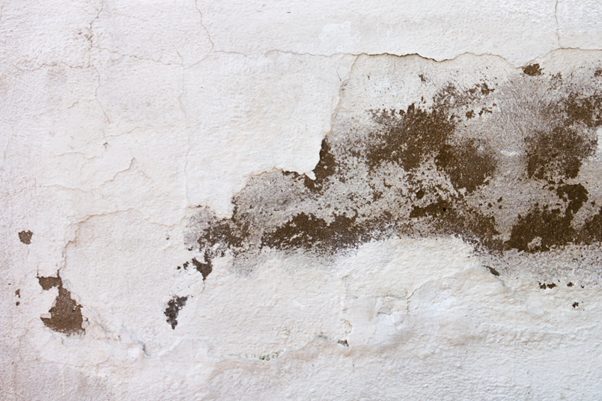
Structural damage is the most prominent danger when there is roof leakage or a burst pipe. Water can seep into the ceiling, causing discoloration and stains. If excessive water reaches the walls, it can cause paint and wallpaper to crack and peel off.
In most cases, drywall becomes soft and crumbly, eventually deteriorating. Drywall could also lose its ability to support itself. The walls could become prone to long-term damage. Professional water damage services are the only way to prevent structural damage.
Weakened Foundation
It might not look obvious, but continuous water leakage and exposure can cause serious damage to your home’s foundation.
The concept of hydrostatic pressure is at work here. When the soil around the foundation becomes saturated, water builds up and exerts immense force against the foundation walls. The pressure pushes inward, causing cracks and buckling of the basement walls. Soil erosion is another issue. Water seeps into the ground, causing sinkholes beneath the foundation.
Experts use advanced water damage restoration techniques to prevent long-term damage. Timely action is incredibly important. Call an expert right away to preserve your home’s stability.
Mould Growth
One of the worst effects of water damage is the growth of mould. When water enters your home, mould starts growing as quickly as 48 hours. Damp areas, if not treated immediately, become the perfect breeding grounds for mould growth.
Exposure to mould and mildew can cause severe health issues, including:
- Respiratory problems
- Allergic reactions
- Infections
Water damage restoration professionals use industrial-grade dryers and dehumidifiers to deliver deep, efficient drying. Carpets, walls, and cavities are quickly dried to prevent mould growth.
Electrical Risks
It goes without saying that water and electricity don’t mix. When water damage occurs and makes surfaces damp, all electrical components become unsafe to use. This includes wiring, outlets, and electrical boxes.
If your home has suffered water damage, don’t use electrical appliances until the space has been professionally inspected and cleared. This includes washing machines, dryers, hot water tanks, furnaces, and low-mounted electrical outlets.
Damaged Belongings
The most immediate impact of water damage is damaged belongings. Water can destroy furniture and personal items, including photographs, books, and documents.
As you wait for the experts to arrive, try removing the standing water yourself. Use towels, buckets, or a vacuum. Early efforts can make a world of difference.
Just make sure you’re wearing appropriate footwear, such as rubber boots, and gloves to avoid contact with contaminated water.
Reduced Property Value
Unfortunately, excessive water damage can reduce the resale value of your property. Any buyer would run a complete property inspection. Things like ceiling stains and mould growth will immediately make your home less appealing.
Take home restoration steps to repair damaged areas.