
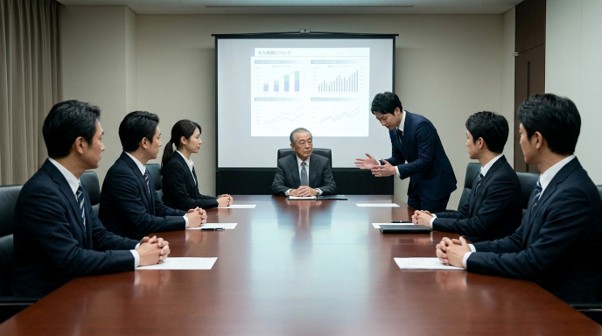
Japan is known for its rich business culture, where communication goes far beyond spoken words. Success in Japanese corporate environments often depends on understanding subtle social cues, respecting hierarchy, and building trust over time. Whether you’re attending meetings, negotiating partnerships, or managing a multinational team, learning Japanese corporate communication styles can significantly improve your professional relationships and business outcomes.
For international professionals traveling to Japan, staying connected is equally important. Using an eSIM Japan solution allows you to access emails, messaging apps, and video conferences without the hassle of purchasing a physical SIM card. Holafly offers a convenient option for business travelers who need reliable connectivity throughout their trip.
Why Communication Matters in Japanese Business Culture
Communication in Japan emphasizes harmony, respect, and long-term relationships. Unlike many Western cultures that encourage directness, Japanese professionals often communicate in ways that preserve group cohesion and avoid confrontation.
Understanding these differences helps foreign professionals:
- Build stronger business relationships.
- Avoid cultural misunderstandings.
- Gain trust from Japanese colleagues.
- Improve negotiation outcomes.
- Create more effective international partnerships.
The Importance of Indirect Communication
One of the defining characteristics of Japanese corporate communication is indirectness. Rather than saying “no” outright, professionals may use softer expressions that allow everyone involved to save face.
For example, phrases such as:
- “That may be difficult.”
- “We’ll consider it.”
- “Perhaps another approach would work.”
often indicate disagreement without explicitly rejecting an idea.
Foreign professionals should pay attention to tone, pauses, and context rather than relying solely on literal meanings.
Respect for Hierarchy
Japanese companies typically have clearly defined organizational structures. Seniority and rank influence communication styles, decision-making, and meeting etiquette.
Employees generally:
- Wait for senior leaders to speak first.
- Show deference to managers.
- Avoid openly challenging higher-ranking colleagues.
- Address people using appropriate honorifics.
Understanding workplace hierarchy demonstrates professionalism and cultural awareness.
Non-Verbal Communication
Body language carries significant meaning in Japanese business settings. Professional etiquette includes:
Bowing
A bow is a standard greeting and demonstrates respect. The depth and duration often depend on the relationship and occasion.
Controlled Facial Expressions
Maintaining composure is valued. Excessive emotional displays may be seen as unprofessional.
Personal Space
Japanese professionals generally appreciate respectful physical distance and minimal physical contact.
Silence
Silence is often viewed as thoughtful rather than uncomfortable. Allowing pauses during conversations demonstrates patience and careful consideration.
Consensus-Based Decision Making
Many Japanese organizations use a collaborative approach to decision-making. Instead of one executive making immediate decisions, proposals often circulate among departments for review and approval.
This process:
- Encourages teamwork.
- Minimizes conflict.
- Builds internal agreement.
- Produces more sustainable decisions.
While it may take longer than in some countries, it often results in stronger organizational commitment.
The Value of Listening
Active listening is a cornerstone of Japanese communication.
Rather than interrupting or immediately presenting counterarguments, professionals typically:
- Listen carefully.
- Take notes.
- Ask thoughtful follow-up questions.
- Respond after fully understanding the discussion.
Demonstrating patience often creates a more positive impression than speaking extensively.
Email Communication Etiquette
Business emails in Japan tend to be more formal than those in many Western countries.
Common characteristics include:
- Polite greetings.
- Expressions of gratitude.
- Respectful language.
- Clear but courteous requests.
- Formal closing remarks.
Even routine emails often include seasonal greetings or appreciation for ongoing cooperation.
Meeting Etiquette
Meetings in Japan follow established protocols.
Best practices include:
- Arrive early.
- Dress conservatively.
- Exchange business cards respectfully.
- Allow senior members to choose seating first.
- Avoid interrupting speakers.
- Take notes attentively.
Preparation is highly valued, and participants are expected to understand agenda items before the meeting begins.
Building Long-Term Relationships
Japanese companies often prioritize long-term partnerships over quick transactions.
Relationship-building involves:
- Consistency.
- Reliability.
- Honesty.
- Mutual respect.
- Delivering on commitments.
Business dinners, informal conversations, and repeated interactions help strengthen trust over time.
Common Mistakes Foreign Professionals Should Avoid
When working with Japanese organizations, avoid:
- Being overly aggressive in negotiations.
- Publicly criticizing colleagues.
- Interrupting speakers.
- Rushing decision-making.
- Ignoring hierarchy.
- Speaking too informally during initial meetings.
Small adjustments in communication style can have a significant positive impact.
Tips for Effective Communication
If you’re doing business in Japan, remember these practical guidelines:
- Speak clearly and respectfully.
- Listen more than you speak.
- Observe non-verbal cues.
- Be patient during negotiations.
- Show appreciation frequently.
- Respect company hierarchy.
- Build relationships before expecting major business commitments.
Final Thoughts
Understanding Japanese corporate communication styles requires more than learning business etiquette—it involves appreciating the cultural values that shape workplace interactions. Respect, patience, humility, and harmony form the foundation of successful professional relationships in Japan.
By adapting your communication style and embracing these cultural principles, you’ll be better equipped to collaborate with Japanese colleagues, negotiate effectively, and establish lasting business partnerships. Combined with dependable mobile connectivity during your travels, you’ll be well prepared to navigate Japan’s dynamic corporate environment with confidence.