
Buying or building a home is one of the biggest financial moves most people make. And when there’s that much money involved, the last thing anyone wants is a surprise invoice or a blown-out timeline. That’s where fixed-price construction has started to shine. It’s a model that’s gaining traction for good reason. It’s simple, transparent, and makes financial sense for both builders and buyers.
In Queensland, where the property market can feel like a fast-moving target, more homeowners are looking for ways to lock in costs early. This shift is also being noticed by companies like DARE Home Builders, who have leaned into the fixed-price model to give clients more control and fewer financial unknowns.
Let’s unpack why fixed-price construction makes smart business sense, not just emotionally or practically, but from a pure numbers and strategy standpoint.
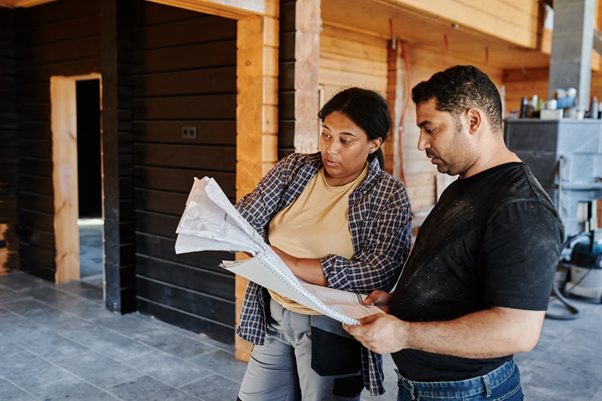
Certainty Helps Everyone Plan Better
The biggest selling point of fixed-price construction is right in the name: it’s fixed. You agree on the full cost of the build upfront. That means no guessing games or shifting figures once things are underway.
From a business perspective, that level of predictability is gold. Clients know what to expect, and builders can plan labour, materials, and timelines with more precision. This also makes financing easier for homeowners. Banks prefer clear numbers when assessing loans. Builders, on the other hand, can forecast revenue and resources with less risk of margin erosion.
In short, fixed pricing removes uncertainty. In business, predictability leads to better planning, smoother processes, and fewer unpleasant surprises.
Fewer Delays Mean Lower Holding Costs
Every delay on a construction project costs someone money. For builders, that might mean extended labour or storage fees. For the client, it could mean paying rent longer while waiting to move in. It’s a lose-lose situation.
Fixed-price builds tend to run faster because the scope is locked in from the beginning. There’s less back-and-forth on changes or re-approvals, which often drag timelines out. A more efficient schedule means lower holding costs and fewer financial leaks for everyone involved.
And because builders are motivated to finish on time (to protect their margins), there’s a stronger push to stick to schedule. That alignment of goals benefits the entire project.
Budget Control Builds Trust
From the client’s point of view, there’s a lot of relief in knowing the price won’t balloon halfway through the build. When budgets blow out, trust erodes quickly, and that damages reputation. That’s something builders work hard to protect.
On the builder’s side, offering a fixed price shows confidence in the process. It signals that you’ve done the maths, sourced reliable materials, and planned the project well. That trust factor often leads to more referrals and stronger word-of-mouth marketing. Both of those can lower your long-term customer acquisition costs.
In a competitive market, delivering what you promised, at the price you promised, goes a long way in standing out.
It Forces Operational Efficiency
Let’s be honest. Fixed pricing is not a set-and-forget model for builders. It requires sharp project management and clear internal systems. But that’s not a bad thing. In fact, it often leads to better business performance overall.
Builders who adopt fixed-price contracts usually invest in better quoting tools, supplier relationships, and staff training. They also build in smart contingencies to protect their profit margins. The result is a leaner, more efficient operation that can take on more jobs with less friction.
Over time, these efficiencies compound. You reduce waste, speed up builds, and boost customer satisfaction. All of that contributes to stronger financial outcomes.
Clients Want Simplicity, and So Do Teams
Home construction can be emotionally and mentally draining for clients. They’re making dozens of decisions, managing timelines, and juggling family or work. A fixed-price model cuts through the noise and makes things easier to understand.
That simplicity is just as helpful on the builder’s end. When the price and scope are clearly defined, teams can work without constant change requests or scope creep. The build becomes smoother, which keeps morale high and reduces friction between stakeholders.
Clear expectations lead to cleaner workflows. That’s good for business culture, staff retention, and day-to-day stress levels. These things may not show up on a spreadsheet but they impact performance in a big way.
Where Fixed-Price May Not Work (And How to Plan Around It)
Of course, fixed-price contracts aren’t a one-size-fits-all solution. Custom homes with lots of unique materials or complex site conditions may carry too much unknown risk for builders to lock in a price confidently. In these cases, a hybrid or cost-plus model might be more appropriate.
But even then, builders can take the best elements of fixed-price models, like upfront transparency and clear scopes, and blend them into flexible contracts. The goal isn’t rigidity. It’s clarity and accountability.

The Bottom Line: It’s About Long-Term Gain
Fixed-price construction is about more than avoiding headaches. It’s a strategy that aligns goals, streamlines processes, and helps both sides of the contract come out ahead.
For clients, it reduces stress and uncertainty. For builders, it creates a system that rewards clarity, communication, and control. That’s not just good for business. It’s good for the industry.
And while the model may not be perfect for every build, its growing popularity shows a clear shift in what clients expect and what the market rewards. Builders who evolve with those expectations will be the ones who thrive in the years ahead.