Across recent reviews of franchise tenancies, the same weak points kept showing up: ageing lighting, HVAC running hard all day, blind spots at loading docks, and overdue fire equipment.
Each issue looks small on its own. Together, they lift energy bills, increase weather and theft exposure, and create compliance problems that can turn into insurance disputes.
A full redesign is rarely required. Most sites improve with a focused 90-day program that tunes controls, replaces obvious waste, and protects the assets that sit outside or run all day.
For operators across Queensland, Victoria, and Tasmania, the priority order matters. Brisbane sites need better weather resilience, Hobart sites need smarter heating, and every site needs a simple way to prove payback.
What Counts as a Facility Upgrade?
A facility upgrade is any practical change that lowers running cost, reduces risk, or makes a site easier to operate.
In a commercial premises setup, that usually means lighting, HVAC, ventilation, fire protection, cameras, access control, shading, and power distribution. The aim is to cut operating expenses, or OPEX, protect stock and equipment, and meet energy and safety rules such as NCC Section J and work health and safety, or WHS, duties.
It also covers the less visible work that keeps sites consistent, such as updated controls, service records, and standard specifications for repeat fit-outs. Those items are not flashy, but they reduce variation, speed up approvals, and make audits far easier.
Keep the lease in view. Favour upgrades that are relocatable, landlord-approved, or likely to pay for themselves before the lease ends. If that is not possible, seek a landlord contribution or delay the spend.
Why Treat Upgrades as a Program?
The biggest gains come from sequencing work, not chasing isolated fixes.
Australia’s commercial buildings use about a quarter of national electricity and produce about 10% of total carbon emissions. A program gives operations, finance, and maintenance teams one shared plan, one budget logic, and one way to measure results.
Lower Operating Costs
Lighting can account for up to 40% of tenancy energy use, and LEDs use up to 75% less power than halogens while throwing off less heat. HVAC can use up to half of a commercial building’s energy, so schedule changes, duct sealing, and sensor calibration deserve attention before plant replacement.
Reduce Risk Exposure
Risk drops when outdoor assets are covered, docks are lit, and safety systems are current. Extreme weather keeps pushing claims higher, and visible cameras plus maintained fire equipment help both loss prevention and post-incident evidence.
Scale With Confidence
A standard kit of parts makes rollouts faster. Use the same luminaire types, setpoints, camera templates, and service intervals across sites, then keep commissioning records, as-built drawings, and manuals so audits and maintenance stay simple.
What to Upgrade First
Start with low-cost changes that remove waste fast and reveal what needs replacement later.
Use three waves: tune existing systems first, install quick-payback retrofits second, then approve capital spending, or capex, with a clear business case. That order limits wasted spend and shows whether poor performance comes from bad equipment, bad controls, or both.
LED Lighting and Smart Controls
LEDs are usually the fastest payback item. Replace fittings in long-runtime areas first, then add occupancy and daylight sensors in storerooms, amenities, and back corridors. Check colour quality for retail displays, glare control for customer areas, and wet-area ratings for kitchens and wash bays.
HVAC Tuning Before Replacement
Before buying new plant, tighten trading-hour schedules, recalibrate thermostats, clean filters, seal ducts, and balance airflow. These steps cut waste, improve comfort, and show whether the existing system is truly undersized or just badly controlled. If ventilation is poor, fix outside-air settings with a qualified professional rather than guessing.
Security and Fire Safety
Minimum camera coverage should include entries, exits, point-of-sale areas, loading zones, and cash handling paths. Pair cameras with adequate light, recorder retention, signage, and backup power for alarm circuits. Fire protection needs the same discipline, with current logbooks and testing aligned with AS 1851-2012 where it applies.
Safer Back-of-House Layouts
Layout changes reduce both injuries and downtime. Use anti-slip finishes in wet areas, keep racking clear of walkways, and add dock aids where goods are unloaded by hand. Good housekeeping matters, but better design removes the hazard before staff have to work around it.
Protecting Outdoor Assets in Brisbane
In Brisbane, outdoor protection is not optional once stock, vehicles, or loading tasks sit in the weather.
The local risk mix is harsh: strong UV, intense summer heat, heavy rain, and hail. Uncovered yards expose fleet vehicles, palletised stock, and loading bays to damage, while workers lose shaded space during hot conditions that trigger Safe Work Australia heat controls.
Dome shelter
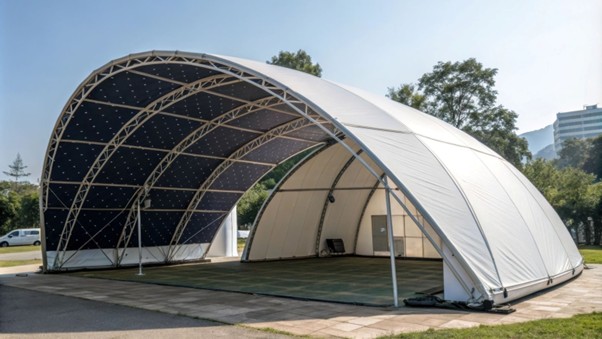
A covered structure can solve several problems at once. It limits UV and hail exposure, keeps rain off loading activity, and creates a shaded area for staging goods or short breaks. For sites that need fast installation and future flexibility without locking the site into permanent construction too early or at all on leasehold land, dome shelter Brisbane can make sense because it adds protection without committing to a permanent build on day one.
That matters for continuity as much as repair cost. A damaged delivery vehicle, soaked stock line, or closed loading bay can disrupt trading for days, especially when replacement stock and contractors are delayed after major storms.
Before approval, check landlord consent, council rules, wind rating, anchoring, drainage, and clearances for vehicles or forklifts. It is also worth planning lighting and CCTV under the canopy so the sheltered area becomes part of the site’s security and operations plan, not a dark storage corner.
Where to Source, Budget, and Roll Out
Budgeting works better when each upgrade sits in a clear wave with a clear owner.
Wave one is low-cost tuning, such as schedules, seals, filter changes, and setpoint reviews. Wave two covers LED retrofits, occupancy sensors, and weather sealing. Wave three is larger spend, such as major HVAC replacements, yard structures, and full camera systems.
Look beyond outright purchase where it fits. Some projects can be funded through energy service providers, while base-building items may justify landlord contributions tied to lease extensions, reduced make-good, or higher site resilience.
For multi-site programs, keep one specification pack, one preferred supplier panel, and one commissioning checklist. That discipline saves time, limits variation, and reduces maintenance surprises later.
How to Track Upgrade Impact
Track performance before and after the work so decisions stay tied to evidence, not opinion.
Build a 12-week baseline using utility bills, peak demand, HVAC runtime, service calls, incident reports, and any insurance excess trends. For food sites, include water use because efficient spray valves and leak repairs can materially reduce waste.
After the upgrade, compare kilowatt-hours per square metre, after-hours load, average indoor carbon dioxide levels during trading, comfort complaints, fault rates, and near-miss reports. Keep the results on a one-page dashboard with pre and post views so operations managers can act on exceptions quickly.
Good reporting does more than prove savings. It gives finance teams a stronger case for the next round of capital spending and helps landlords see value in supporting base-building work.
Right-Sizing Climate Control in Hobart
In Hobart, the biggest HVAC win usually comes from better heating design, not simply adding more equipment.
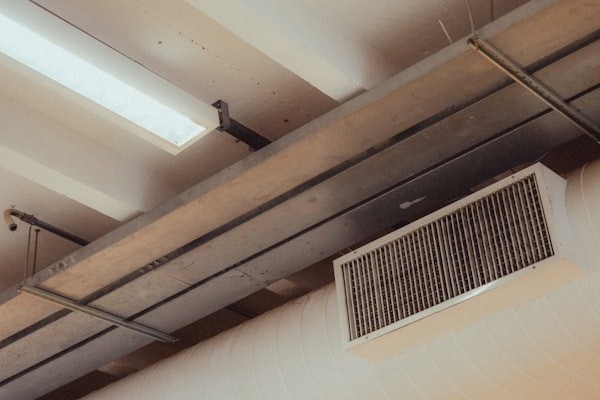
Southern Tasmania is heating-dominant, and older tenancies still rely on resistance heaters or small split systems that struggle across front and back zones. That creates cold spots, noisy cycling, and higher bills during long winter mornings and shoulder seasons.
A zoned reverse-cycle system can fix that if the design matches the site. Load calculations should reflect occupancy, equipment heat, glazing, insulation, ceiling height, and trading hours. Zoning then lets operators close off quiet rooms or staff areas after peak trade instead of heating the full tenancy all day. Smart scheduling and setback temperatures add another layer of savings.
Cooling ducted heating
Air return location also matters. Kitchen particulates should not recirculate into customer areas, condensate drainage needs planning for cold months, and diffuser noise should stay low in dining or service spaces. For sites that need one system for year-round comfort across varied daily operating patterns, changing occupancy levels, and seasons, a properly designed cooling ducted heating setup can deliver tighter control and lower waste than mixed, room-by-room fixes.
If the building already has central controls, integrate the new system so trading hours, setbacks, alarms, and maintenance data sit in one place. That makes faults easier to spot before comfort complaints turn into lost sales.
Make Upgrades Work for You, Not Against You
Good upgrades stay simple, repeatable, and easy to maintain.
Start with controls and maintenance, then replace equipment with the clearest payback. Avoid feature creep that adds cost without reducing risk or operating hours, and capture lessons from each site so the next rollout is faster. Standard details, not one-off fixes, are what make a program scale.
Assign one owner for Essential Safety Measures, or ESM, compliance and one owner for utilities data. When major works align with brand refreshes or planned shutdowns, disruption falls and the business case improves.
FAQ
Use these answers to test whether a proposed upgrade is practical, compliant, and worth the spend.
What Is a Realistic Payback for LED Retrofits in a Small Food Tenancy?
Many small food tenancies recover LED retrofit costs within 12 to 24 months. The exact result depends on runtime, existing fittings, electricity rates, and whether cooling load also drops after the change.
Do I Need an Engineer for Ventilation Changes?
Yes, or another qualified HVAC professional with the right design experience. Ventilation affects comfort, airborne contaminants, and energy use, so poor sizing or bad outside-air settings can create new problems.
How Often Should Fire Safety Systems Be Serviced?
Service frequency depends on the system and the applicable standard, but the schedule must be planned, documented, and followed. Victorian guidance makes clear that building owners must maintain Essential Safety Measures in working order.
Will Cameras Really Deter Theft?
They help most when they are visible, well lit, and aimed at the right places. Queensland Police recommend cameras at entry, exit, and point-of-sale areas because good coverage deters incidents and supports investigations.
What Differs Between Brisbane and Hobart Setups?
Brisbane sites usually need stronger protection from UV, storm rain, hail, and heat stress. Hobart sites usually need better heating design, zoning, and condensate planning because winter demand dominates system performance.
Are There Government Incentives for Upgrades?
Yes, but programs change. Check current state and federal options before purchase, including the NSW Energy Savings Scheme, South Australia’s Retailer Energy Productivity Scheme, and relevant guidance on business.gov.au.