
Not long ago, pets in Australia were often thought of as backyard companions. They’d be fed with basic kibble, washed down, and left to protect the home from intruders. Times have changed a lot since then. Dogs and cats live in people’s homes, sleeping on beds, appearing in family portraits, and all around treated as a part of the family, or like fur kids.
This shift towards pet humanisation is reshaping the pet industry with pet owners wanting products that have the quality, safety and standards they’d expect for themselves. For businesses, the opportunity is huge. Premium pet products are now a growing industry and understanding the psychology behind pet humanisation will help companies position themselves properly to capture this growing market.
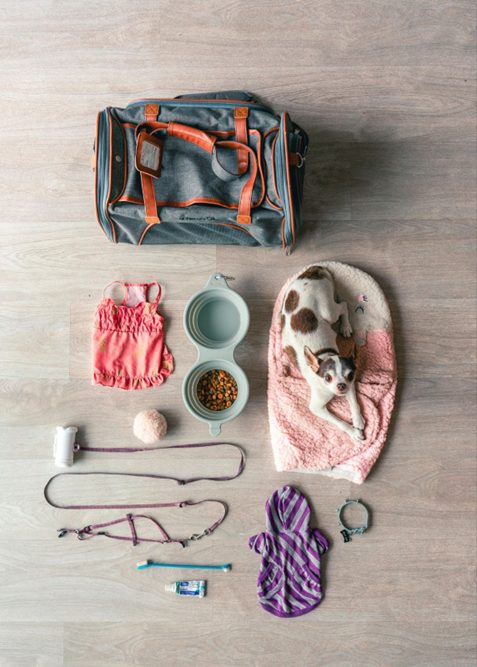
The Rise of Pet Humanisation
Pet humanisation stems from a broader social trend: people delaying marriage and children, or opting for smaller families, while seeking companionship and emotional fulfilment through animals. Surveys consistently show that Australians see their pets as part of the family. This mindset translates into spending patterns that prioritise wellness, comfort, and emotional enrichment for pets.
Some examples that highlight this shift include:
- Nutrition as a wellness category: Owners now read ingredient labels on dog food as carefully as they do for their own groceries. Premium products like grain-free formulas, raw diets, or vet-endorsed supplements command strong margins.
- Comfort as a priority: Designer dog beds, climate-controlled kennels, and orthopaedic mats for ageing pets align with human preferences for ergonomic furniture.
- Fashion and personal identity: Collars, coats, and even paw-friendly shoes let owners express their personality through their pets.
- Wellbeing services: Beyond physical products, pet spas, canine massage, and even pet aromatherapy have entered the mainstream.
For entrepreneurs and established brands alike, the message is clear: pet owners want to provide experiences that reflect the love and respect they feel for their animals, and they are willing to pay a premium for it.
Why Premium Pet Products Work as a Business Model
1) Repeat purchase sits at the core
Several pet products such as food, treats, supplements, shampoo, and flea treatment run out. Subscriptions can help with retention and forecasting accuracy. A simple “refill in 30 days” cycle for a discount can help nudge a year full of orders.
2) Owners trade up for trust
Pet parents prioritise safety and wellbeing above small savings. Clean labels, short ingredient lists, proof of benefit and clear outcomes can all fetch price premiums.
3) Emotion powers the basket
As part of the family, pets are now being given the comfort and love that used to be reserved for just family members. Birthdays and holiday gifting have increased the trend for luxury pet items.
4) Clear points of difference are easy to tell
Distinct forms (freeze-dried, air-dried), targeted functions (hip and joint, skin and coat), and design that looks good in the home give a product a voice. Shoppers will remember products that they can explain in one line, such as “single-protein treats for sensitive tummies,” “wash that calms itchy skin,” or “bed that supports ageing joints.”
5) Premium anchors the range
A high end hero product can carry a whole brand. It sets the quality cue, frames the price, and guides shoppers on what your brand stands for.
6) Social proof travels fast
Beautiful packaging and functionality can create sharable moments. For example, a dog collar that tracks steps, a feeder that slows gulping, or beautiful pet furniture are easily shared on social media and can help spread the word about your product.
7) Pet spend shows resilience
When budgets tighten, many households will still value pet care. They may dine out less or have more coffee at home rather than compromise the food and life quality of their dog. This helps with planning, cash flow, and investor confidence.
High-Margin Categories and Product Ideas
1) Nutrition upgrades
- Air-dried and freeze-dried meals: These are lightweight, have strong value per kilo, and are growing in popularity.
- Single-protein treats: These are popular for breeds with sensitive stomachs or allergies. These are also easy to produce, market, and price.
- Functional supplements and chews: Products tailored specifically to help with joint, skin, gut, and calm highly energetic breeds help create ranges and add value to consumers that can set you apart.
- Probiotics and omega blends: Products with probiotics and omega blends also add value to customers.
2) Health & dental
- Dental sticks and gels: Dental sticks that help improve oral health for pets and can be used daily can be a steady revenue.
- Joint care powders: These are essentials for senior dogs and will never lose market value.
- Skin and coat oils: Anything that visibly improves dogs coat and fur will have a strong market share. Especially good ones will be shared by word of mouth.
3) Enrichment & training
- Puzzle feeders, lick mats, snuffle rugs.
- Long-lasting chews and treat toys: Many chews and treats can be gobbled up quickly. A longer lasting chew that will keep pets occupied for longer will be in higher demand.
- Clickers, target sticks, reward pouches: These are small, lightweight and easy to add to any cart.
4) Sleep & comfort
- Orthopaedic and memory-foam beds: These can be marketed to help ease joint issues and help dogs sleep better. Plus points for good aesthetics.
- Crate furniture and covers: Beautifying crates and puppy pens to fit homes better has endless possibilities.
- Seasonal inserts: Cooling pads for the summer and warmer toppers for winter will help make pets’ lives more comfortable.
5) Grooming & skin care
- pH-balanced wash and conditioner bars
- Paw balms and nose balms: These are pocket sized, easy to pack and deliver, giftable, bundle-friendly, and can be easy things to add to cart.
- De-shedding tools: Most pet owners will need this and offering quality versions that are easy to use and have visible results will have a strong demand.
6) Tech & tracking
- GPS collars and activity monitors: App tie-ins help make tracking easier and can also encourage the use of similar devices connected to the app. Social networking with other pet owners through apps can encourage word of mouth.
- Smart feeders and water fountains: These give added convenience to pet owners.
- LED safety gear: Anything that will give pet owners peace of mind will have a high demand.
7) Travel & outdoor
- Car seat covers and booster seats: These protect upholstery and pets and are legally required in certain states.
- Crash-tested crates and harnesses: Pet owners will put safety first for their pets, even at a premium cost.
- Hike kits: Collapsible bowls, trail leads, tick picks in one pack.
8) Style & identity
- Harness sets and matching leads: Colour drops and seasonal prints have endless possibilities. Pet owners will enjoy having different styles.
- Personalised tags and embroidered beds: Pet owners will enjoy customising and having different styles to match their homes.
- Weather wear: Rain shells, knit jumpers, and sun-smart caps will protect dogs regardless of the season. Pet owners will also enjoy having a wide variety of styles to choose from.
9) Aftercare & pet memorials
- Paw-print kits, urns, photo frames: Gentle keepsakes to ease the pain of grieving families.
- Sympathy gift boxes: Tea, candle, memorial tag, and a note from the brand work well as gifts for grieving families.
- Counselling partnerships: A resource page or referral loop with pet loss counsellors adds care and trust without requiring a team of therapists.
Merchandising tips to consider:
- Build good / better / best tiers inside each category.
- Offer starter bundles (bed + balm + chew) and age packs (puppy, adult, senior).
- Use problem-solution signage: “Pulling on lead,” “itchy skin,” “separation stress.”
Common missteps to avoid
- Overstuffed labels that hide the promise.
- Claims that drift into medical territory.
- Sizes that miss letterbox or standard shelf bays.
- Packs that fight home décor; beds and bowls should blend in.
Lead With Care, Win With Clarity
Pet humanisation has moved from trend to norm. Brands that win keep the promise simple, the proof visible, and the experience smooth. They focus on one clear benefit, protect quality, answer fast, and offer support when needs turn hard.
The market rewards this combination of values. If you have trusted ingredients, a good design, reliable supply, and a service that solves a need, then a market will follow. You’ll earn a place in the home, beside the bed, on the walk, and through every life stage. That place is hard to copy and slow to erode. It is also the surest path to a premium brand that lasts.