

I sat across from a multi-unit franchisee in Brisbane last year who said he had stopped taking roof repair jobs entirely. He told me the licensing burden was heavy, the safety incidents were harder to control, and storm work kept crushing margins after labour and call-backs.
Six months later, he added a second maintenance van focused only on gutter-cleaning. That move doubled his recurring revenue.
He did not walk away from roof repairs because they were weak. He split the two service lines because they need different systems, different crew profiles, and different risk controls.
That separation is still one of the most missed decisions in Australian home services. Australia had an estimated 1,144 franchise systems and about 70,735 franchisees in 2023, generating an estimated $135.2 billion. Exterior maintenance and roofing keep growing, but plenty of operators still blur the line between clean-and-prevent work and licensed detect-and-repair trade work.
The practical task is to scope each lane clearly, price it properly, stay compliant across states, and plan for local demand swings such as Perth’s wet winter. The same approach works for handyman brands, roofing operators, and strata maintenance teams.
How to Define Each Service
Clear scope protects margin and keeps unlicensed crews out of regulated trade work.
The first operating decision is simple to state and easy to get wrong. If staff cannot tell where maintenance ends and repair work begins, the business absorbs compliance risk, quoting errors, and crew confusion.
Maintenance scope covers gutter debris removal, downpipe flushing, leaf-guard checks, before-and-after photo reports, and light cosmetic cleaning of fascia and eaves. These tasks usually sit with trained maintenance crews rather than licensed trades.
Licensed repair scope includes tile replacement, flashing repairs, valley and box gutter remediation, re-bedding and repointing ridge caps, leak rectification, and storm-damage make-safes. In most states, work that changes roof drainage components, penetrations, or waterproofing details moves into licensed territory.
The safest rule is this: if the task changes how water leaves the roof or enters the building envelope, treat it as licensed work until proven otherwise. Put that boundary in the operations manual, build it into job sheets, and train every crew member to escalate grey-area findings instead of improvising on site.
Three Big Business Differences for Franchisees
The two service lines may look similar from the street, but they run like different businesses.
1. Revenue Profile
Gutter cleaning is high-frequency and low-ticket. RACV advises homeowners to clean gutters every six months, and more often in leafy or bushfire-prone areas. That cadence supports recurring plans, steadier routes, and easier forecasting. Roof repairs produce larger invoices, but demand spikes after storms and during periods when older housing stock starts to fail.
2. Capability Stack
Cleaning crews need access and safety training, gutter vacuums, stabilised ladder systems, and basic downpipe-clearing tools. Repair crews need licensed roofers or roof plumbers, metal and tile repair skills, leak-diagnosis ability, and stock for flashings, fixings, and sealants. Hiring for one lane does not automatically prepare a person for the other.
3. Risk and Compliance Exposure
Cleaning can reduce time on the roof if crews use vacuums, platforms, and strong access controls. Repairs increase exposure to brittle tiles, skylights, steep pitches, and electrical risk near solar photovoltaic, or PV, systems. Every roof-access job needs a site-specific decision about setup, supervision, and stop-work triggers.
Some owners try to run one mixed crew to stay lean. That can work for a short period in a small catchment, but it usually slows quoting, weakens safety discipline, and makes scheduling harder when storm work floods the diary.
Pricing and Unit Economics
Price each lane on its own costs, risks, and conversion path.

Separate profit-and-loss tracking matters. If you bundle maintenance and repairs into one average margin, you hide the real cost of travel, setup time, call-backs, licensing overhead, and emergency response.
Gutter cleaning inputs should include height tier, roof pitch, access time, debris volume, guard presence, and waste disposal. National guidance from Hipages puts typical pricing at $100-$600 per visit, while Western Australia is often quoted in the $140-$240 range for straightforward jobs. Most operators also need a minimum call-out fee, or short jobs with long travel time will underperform.
Roof repair inputs should include roof material, leak-trace complexity, ridge and valley length, penetration count, flashing type, and the safety setup needed to do the work. Canstar estimates that full roof restorations on average-sized homes can start around $2,500 and rise past $20,000. Small repairs still need a margin that covers diagnostic time and the risk of hidden damage.
Unit KPIs should cover jobs per day per crew, first-time fix rate for minor leaks, callback rate, injury-free hours, photo-report use, and clean-to-repair quote conversion. Those numbers tell you whether maintenance is feeding repair work without creating avoidable risk.
Safety Management at Height
Any roof-access job is a safety job first and a service job second.
Falls from height remain one of the clearest risks in this category. Thousands of Australians are hospitalised each year after ladder falls, and 36 ladder-related deaths were recorded in 2020 alone. A brand can survive a slow month. It may not survive a preventable fall.
- Pre-site risk assessment. Check for powerlines, brittle roofing, skylights, roof pitch, solar PV, pets, and access constraints before anyone leaves the ground.
- Safe Work Method Statement. For high-risk construction work, use a Safe Work Method Statement, or SWMS, that matches the task and site conditions.
- Competency verification. Every team member who climbs should hold RIIWHS204E Work Safely at Heights and have current records on file.
- Correct access equipment. Use edge protection, elevated work platforms, or secured anchor systems when the site requires them. Treat ladders as controlled access tools, not a full work platform.
- Weather holds. Postpone jobs in rain, strong wind, or when surfaces stay wet and slippery. A full calendar is not a reason to ignore conditions.
- Incident response. Each van needs first-aid supplies, communication protocols, and a clear emergency procedure for a fall, near-miss, or suspected structural failure.
Homeowners still climb ladders every winter because the job looks simple from the ground. Your service should be positioned as the safer and more controlled option, backed by training, equipment, and documented procedures.
Compliance And Licensing Snapshot by State
Maintenance crews can spot defects, but only licensed trades should handle regulated repair work.
Cleaning rarely needs a trade licence, but repair work that changes drainage or roofing components usually does. Check the state rules before dispatch, and do not rely on habit or old assumptions.
- NSW: A contractor licence is required for residential roof plumbing work valued above $5,000 in labour and materials.
- QLD: Roofing and wall cladding work sits under a QBCC licence class. Applicants must meet technical and financial eligibility requirements.
- VIC: Roofing (stormwater) is a regulated plumbing class administered through the VBA and the Building and Plumbing Commission. Work must meet NCC and referenced standards.
NCC 2022 references AS/NZS 3500.3 for gutters and downpipes. Cleaning crews do not need to redesign systems, but they should recognise obvious warning signs such as backfall, rusted joints, missing overflows, sagging sections, and overflow staining at eaves. Log photos, record defect notes in the customer relationship management system, or CRM, and hand the issue to a licensed trade team.
Gutter Cleaning
Gutter cleaning is usually the simplest way to build recurring revenue without carrying full trade overhead.
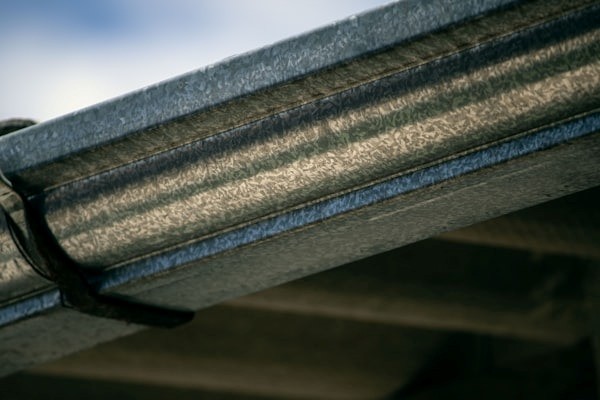
For franchisees building a lower-capex service line, the best entry points are the jobs you can standardise, route densely, and deliver with strict ladder controls and clear stop-work triggers, because that protects both recurring revenue and crew safety as the customer base grows. In that model, for suburban houses and small strata sites, gutter cleaning gives a practical entry point.
The cadence is straightforward. Pre-winter cleans in April and May remove autumn debris before heavy rain arrives. Spring cleans in September and October clear winter build-up and prepare properties for bushfire season in fire-prone areas. Each visit should end with a photo report, a simple condition note, and a recommended return date.
Plan design matters as much as the clean itself. Fixed six-month reminders, narrow arrival windows, and clear inclusions for downpipe flushing and waste disposal make the service easy to buy. Where guards are fitted, quote inspection and selective removal clearly so crews do not lose time on site.
Brands such as Hire A Hubby offer gutter-cleaning as a bookable service inside a broader maintenance menu. That is useful as an operating reference, not because every business should copy the same offer, but because it shows how a routine service can anchor repeat bookings while keeping crews off fragile roof surfaces wherever possible.
Minor Repair Triage
Good triage turns routine cleaning visits into qualified repair opportunities.
Every cleaning crew should know how to spot and document common defects during a standard visit. Cracked tiles, loose clips, perished sealant around penetrations, corroded fasteners, and sagging gutter runs are frequent findings. The goal is not to repair beyond scope. The goal is to identify risk early and hand it over properly.
A simple traffic-light system works well in the CRM. Green means clean only, with no obvious defect found. Amber means a minor defect is present and a licensed roofer should attend within 14 days. Red means an active leak, drainage failure, or safety hazard, so a make-safe visit is needed the same day where possible.
Some operators worry that triage will feel like upselling. It does not if the process is disciplined. Use marked photos, short notes, and clear urgency codes, then let the customer choose whether to proceed. That protects trust and gives the repair crew better information before they arrive.
Roof Repairs Perth

Perth rewards operators who prepare for winter demand before the first storm hits.
If you operate in Western Australia, especially across Greater Perth, winter is both the biggest sales period and the hardest test of your systems. Perth Metro recorded 761.0 mm of rainfall in 2025, roughly 105% of its long-term average, and most of that fell between June and August. Leak calls rise fast, triage queues stretch, and slow operators lose work to whoever can inspect first.
Preparation starts in April and May. Pre-book inspections, contact past customers before the weather turns, and stock common tile and flashing items so crews are not waiting on suppliers during peak demand. Separate emergency make-safe work from scheduled remediation in your calendar, and assign different response targets to each.
When your diary is full of winter leak calls, it helps to benchmark what “fast response” looks like locally, including typical inspection lead times, common tile and metal defects, and how quickly a team can move from diagnosis to make-safe and scheduled remediation across Perth suburbs during peak weeks each year.
Local specialists such as Jamart Roofing provide roof repairs Perth and offer a useful benchmark for response expectations and defect patterns in WA housing stock. Older suburbs can present cracked concrete tiles, tired ridge work, and overflow issues, while coastal areas may show faster metal corrosion.
Understanding those local patterns helps franchise operators set realistic pricing, stock levels, and crew targets for the WA market.
Seasonality, Routing, and Staffing
Profit improves when scheduling, route density, and crew mix match the local weather cycle.
Pre-winter cleans belong in April and May. Reactive repairs usually peak from June through August. Post-storm audits fit September, and bushfire-prep cleans make sense in October and November where local conditions justify them.
Routing discipline protects margin. Cluster work by suburb, property type, and height tier so crews spend more time producing and less time driving. Build weather-hold rules with automated text messages that rebook customers quickly instead of leaving gaps in the diary.
Staff in two lanes. Maintenance crews handle higher-volume, lower-complexity work. Licensed repair crews handle leak diagnosis, regulated repair tasks, and emergency response. Cross-train both groups on photo reporting, site notes, and customer communication so handovers stay clean.
Marketing and Growth Pathways
Growth comes from repeat plans and a clear service ladder, not from one-off discounting.
Market maintenance on timing, safety, and price certainty. Market repairs on response speed, diagnostic accuracy, and warranty clarity. Pre-storm email reminders to past customers work well because they match a real seasonal problem, not a vague promotion.
Before-and-after photos help close both services because they make invisible roof problems visible from the ground. Google Business Profile updates, local area pages, and follow-up messages after each visit also help build trust with homeowners, landlords, and small strata managers.
The best growth path is staged. Start with maintenance to stabilise cash flow. Add leak diagnostics as inspection skill improves. Then expand into licensed repairs once the safety systems, supervision, and compliance controls are strong enough to support the extra margin.
FAQ
The common questions usually come down to frequency, licensing, safety, and performance tracking.
How Often Should Clients Schedule Gutter Cleaning?
Every six months is the standard recommendation for a large share of Australian homes. Leafy sites, properties near large trees, and bushfire-prone areas may need quarterly visits to prevent overflow and fuel build-up.
Do Cleaning Crews Need Trade Licences?
Usually not for debris removal, flushing, and visual reporting. Once the job changes drainage components or roofing elements, confirm state rules and job value thresholds before sending an unlicensed crew.
What Is the Quickest Win for a New Franchise Unit?
A pre-winter clean-and-check bundle is usually the fastest start. It creates immediate recurring work, fills the database with local customers, and produces qualified leads for licensed repair crews.
How Do Crews Avoid Damaging Roofs During Cleans?
Use stabilised ladders or elevated work platforms, and use gutter vacuums from the ground where the site allows it. Do not step on brittle tiles, skylights, or wet surfaces, and escalate risky access conditions instead of forcing the job through.
Which KPIs Show That the Model Is Working?
Track jobs per day per crew, repeat booking rate, add-on conversion rate, first-time fix rate for minor leaks, and injury-free hours. Those five numbers show whether the two-lane model is producing safer and more predictable growth.