
A Sydney homeowner once ripped out new bathroom tiles just three weeks after installation. A slow supply-line leak behind the wall had been soaking the base layer the whole time, and the waterproofing membrane went over a fault no one checked first.
In another suburb, a café refit stalled for six weeks when wet-area floor falls failed inspection under the National Construction Code, NCC 2022. The floor had to be re-poured, re-membraned, and re-tiled.
Both jobs failed at the same step. Nobody confirmed that the building was dry, sound, and ready before renovation started.
Water moves faster than budgets. Fix leaks first, then renovate to code and choose Water Efficiency Labelling and Standards, WELS, products where they suit the space, and you reduce callbacks, health risks, and waste.
Start With These Core Principles
Water problems cost the least to fix before demolition begins.
- Leak detection comes before demolition. Meter tests, acoustic correlation, and thermal imaging stop you from paying for demolition or tiling twice.
- Wet areas come first. Bathrooms, laundries, kitchens, roofs, and balconies need repairs before paint, joinery, or flooring.
- Compliance protects value. Wet-area waterproofing must meet NCC 2022, and plumbing must meet the Plumbing Code of Australia, PCA, and AS/NZS 3500.
- Speed matters after water damage. Dry and clean affected surfaces within about 48 hours or mould risk rises sharply.
- WELS-rated fixtures cut more than water use. National savings are projected at about $1.6 billion in 2025, with roughly 65 percent tied to lower hot-water energy use.
- Older homes need hazard checks first. Homes built before 1990 may contain asbestos, and homes built before 1970 may hold lead-based paint.
Understand What Leak Detection Covers
Leak detection is a structured check for active leaks and hidden moisture, not a quick look around the room.
Start with an overnight meter test. Turn off every tap, appliance, and irrigation line, read the meter before bed, and read it again at sunrise. If it moves, water is going somewhere it should not.
Professional diagnostics matter when the meter moves but the source stays hidden. Acoustic correlation, a listening method that compares sound at two points, helps locate a pressurised leak, while thermal imaging shows temperature differences that can mark wet insulation or pipe runs. Tracer gas and pressure tests help when sound or heat patterns are unclear.
A good report should include photos, moisture readings, marked locations, and a repair path. If a contractor cannot explain how the leak was confirmed, treat that as a warning sign.
See Why Early Leak Repairs Pay Off
Early leak repairs protect structure, health, and the budget at the same time.
Prevent Structural Damage And Rework
Trapped moisture behind new tiles or cabinetry creates the conditions for mould, timber decay, and bond failure. Dry and clean affected materials within about 48 hours after water entry, or a simple repair can turn into mould remediation.
Cut Lifetime Water And Energy Costs
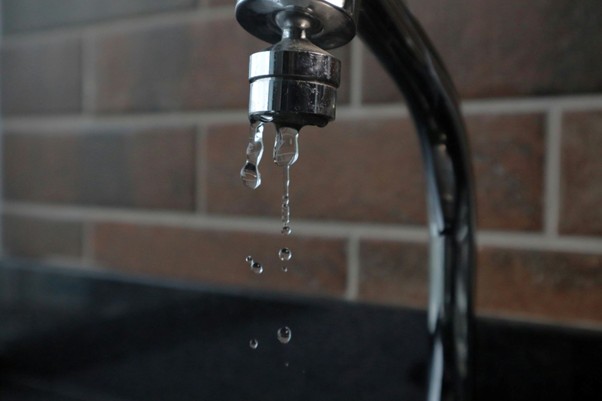
A tap that drips once per second can waste thousands of litres a year, and a running toilet can waste around 9,000 litres annually. Fix those faults during renovation and the savings start on day one, especially when new fixtures also reduce hot-water use.
Support Insurance, Warranties, And Approvals
Insurers and warranty providers respond better when there is a clear record of cause, repair, and compliance. After major water ingress, photograph the damage, arrange an electrician’s safety check before power is restored, and keep waterproofing and plumbing certificates in the handover file.
Prioritise the Areas Where Water Does the Most Damage
Repair the wettest spaces first and work from the roof down before you spend on finishes.
Bathrooms, Ensuites, And Laundries
These rooms face the highest water load in a home. Under NCC 2022, shower floors must be waterproof, shower walls need waterproofing to at least 1800 millimetres, and falls to a waste should sit between 1:80 and 1:50 where a floor waste is installed. Flood test the membrane before tiling and photograph each stage.
Kitchens
Check supply and waste lines, confirm shut-off valves work, and seal the benchtop-to-splashback junction well. For cafés and other food businesses, add impervious flooring and falls that stop ponding so cleaning stays easy and code risks stay low.
Roofs, Balconies, And Gutters
Inspect flashings, membranes, parapets, gutters, and downpipes before interior work begins. Clear overflow paths and fix ponding early, or storm water will find the weakest point in your new finishes.
Plumbing Infrastructure
Pressure test supply zones and inspect hot-water relief valves, isolation points, and flexible connectors. In NSW, even small plumbing jobs are specialist trade work and should be done by a licensed plumber, and the results should be documented before walls or ceilings are closed.
Know When Targeted Leak Detection Is Worth It
When screening shows a problem but not the source, targeted testing saves guesswork.
Sometimes the meter moves overnight, the hallway smells damp, or a moisture meter spikes at a junction that looks dry. That usually means the fault is buried in a wall, under a slab, or inside a ceiling where blind demolition wastes time and money.
Book Leak Detection Before Demolition
If you have rising water bills, damp smells, unexplained moisture readings, or a meter that still moves overnight, it is usually cheaper to confirm the fault before demolition than to open walls blindly, disturb sound finishes, and rebuild areas that were never dry in the first place, so homeowners planning wet-area work often start by booking professional water leak detection services before renovation begins.
Sequence the Work So Repairs Stay Fixed
A clear order of work stops new finishes from covering old faults.
- Baseline checks: run the overnight meter test, do a visual sweep, and note every stain, smell, crack, or high moisture reading by room.
- Professional leak detection: commission acoustic and thermal testing where usage or damp readings stay unexplained. Ask for marked locations, photos, and a repair recommendation.
- Scope and compliance: align the design with NCC 2022, PCA, and AS/NZS 3500, then confirm whether notices, inspections, or approvals are required in your state.
- Quotes and contracts: issue one scope to several contractors, verify licences, and specify flood tests, certificates, and photo records as deliverables.
- Execution: fix leaks first, retest the system, install membranes to spec, set falls, and only then move to tiles, paint, and joinery.
- Handover: collect manuals, warranties, test photos, and certificates before final payment. In Queensland, licensed contractors must issue waterproofing certificates for qualifying work, and in NSW plumbers must issue a Certificate of Compliance showing the job meets the PCA and AS/NZS 3500.
Meet the Compliance Rules That Matter
Good paperwork turns a sound renovation into a defensible one.
Wet-Area Waterproofing
NCC 2022 Part 10.2 requires shower floors to be waterproof, shower walls to be waterproofed to at least 1800 millimetres, penetrations and junctions to be sealed, and floor falls between 1:80 and 1:50 where a floor waste is installed. Use compliant membrane systems and keep records of each layer.
Plumbing Code And Certificates
All plumbing and drainage work must meet the Plumbing Code of Australia and AS/NZS 3500. In NSW, that means licensed work and a Certificate of Compliance at completion, while other states have their own notice and inspection rules.
Hazard Controls In Older Homes
Homes built before 1990 may contain asbestos, and homes built before 1970 may still hold lead-based paint. Get licensed assessment before sanding, drilling, cutting, or stripping finishes, because pre-purchase reports rarely go deep enough for renovation planning.
Food-Premises Fit-Outs
If the project covers a café, bakery, or other food business, Food Standards Australia New Zealand, FSANZ, Standard 3.2.3 requires impervious and cleanable surfaces, a safe potable water supply, and floors that do not trap water.
Design Kitchens for Water Use, Access, and Durability
A kitchen lasts longer when layout, service access, and wet-area detailing are planned together.
Kitchens combine water, heat, steam, grease, and hard daily use, so weak seals and poor access show up quickly. The best layouts keep shut-off valves reachable and leave waste and supply lines serviceable after the cabinetry goes in.
For projects that need new cabinetry, better storage, and coordinated plumbing points, experienced kitchen renovation teams can help resolve how joinery, splashbacks, appliances, and pipe access fit together before installation starts. That planning reduces clashes between design intent and trade reality.
Even on a modest remodel, seal the benchtop-to-splashback junction, protect dishwasher and sink zones, and choose WELS-rated mixers or appliances where they fit the brief. A kitchen that looks clean but hides poor access will cost more to maintain.
Compare Design-Led Kitchen Upgrade Options
If you want a compliance-first upgrade that also improves storage, durability, and everyday use, compare builders on how well they integrate WELS-rated fixtures, waterproofing details, service access, and practical joinery from design through installation, because households trying to reduce maintenance over the life of the room often get better value from professional kitchen renovations rather than piecemeal trade coordination.

Control Costs and Protect the Result
Smart tracking after handover is what turns a renovation into a long-term saving.
Spend on diagnosis, then price the repair and retest as one package. Include membranes, falls, access panels, and WELS fixtures in the scope, and add a 10 to 15 percent contingency only after real site conditions are measured.
Track results with weekly water meter readings taken at the same time, then compare utility bills quarter over quarter. Recheck former moisture hot spots 7 to 14 days after completion and keep a simple log with photos.
Maintenance matters just as much as construction. Inspect sealants and grout each year, clear gutters and drains each quarter, test shut-off valves, and check balconies for ponding after heavy rain.
Check Common Questions Before You Start
Most delays come from a short list of predictable water, compliance, and safety issues.
How Fast Can Mould Become a Problem After a Leak?
Dry and clean affected surfaces within about 48 hours. After that, mould can establish and the job may shift from basic drying to specialist remediation.
Do I Need Approvals for a Bathroom or Kitchen Renovation?
It depends on the state and the scope, but plumbing work, structural changes, and changes to waterproofed wet areas can trigger notices, inspections, or approvals. Check early, because delays can stop trades mid-job.
What Documents Should I Receive at Handover?
Expect waterproofing records where applicable, a plumbing Certificate of Compliance, product data sheets, manuals, warranties, and photos or test results that show concealed work before it was covered.
How Do I Test for Hidden Leaks Myself?
Run an overnight meter test with every fixture and appliance off. If the meter still moves, isolate toilets and appliances one at a time, then book professional testing if the usage stays unexplained.
Are Special Rules Different for Food Businesses?
Yes. Food premises need impervious, cleanable finishes, adequate potable water, and floors detailed to avoid ponding, so hygiene, drainage, and maintenance have to be planned together.
What If My Home Was Built Before 1990?
Treat asbestos as possible until testing proves otherwise, and assess for lead-based paint if the home predates 1970. Do not sand, cut, or drill suspect materials without licensed advice.
Are Dripping Taps Worth Fixing Right Away?
Yes. A single dripping tap can waste up to 10,000 litres a year, so a quick repair protects both the budget and the finishes around the fixture.