Water is the lifeblood of any commercial kitchen, but its importance is rarely considered until disaster strikes. In fact, water plays an important role in areas ranging from the crunchiness of a mere salad to the long life of a costly appliance.
Being certain of high standards can never be solely defined by taste; it can be said to be the nexus of food safety and operational efficiency. It may be mentioned here that water quality sometimes overlaps with other essential systems such as the refrigerator system where water prevents mineral buildup, which can cause system breakdowns.
The Importance of Safe Water in Foodservice
When it comes to Australian hospitality, it is not just important but a necessity to maintain rigid water standards. Safe water, according to WHO water standards, is one of the fundamental pillars upon which public health is grounded, and this is even truer in areas dealing with food processing. If the water used by your facility is compromised, everything it comes into contact with becomes a hazard.
The risks associated with water quality are many, which can ruin a business in an instant. You may not see contaminants, but you can bet the safety of the consumers is at an immediate risk. Besides the risk of foodborne diseases, water quality that does not meet the standard can change the chemical makeup of your dough or the clarity of your ice, adversely affecting the quality of your product.
Though it is stressed by bodies such as those adhering to the FDA’s doctrine, which centres on the necessity of meeting specific potable criteria for water so as to avert the inter-contamination of pathogens in food preparation, for restaurant business, it is crucial in recognizing water as an essential ingredient subject to constant scrutiny so as to avoid a downside in reputation due to a breach in health regulations.
Common Water Contaminants and Their Risks
The first step towards mitigation is to determine what is actually present in your pipes. Contaminants may be broadly classified according to the number of categories they belong to.
Microplastics and Nanoplastics
Modern research has also raised issues regarding a growing concern involving microscopic plastics that we are seeing in our water. Although they are environmental issues, they can end up in the food chain and greatly impact the perceived quality of the food that we are serving.
Although most of these contaminants’ effects in the long run have yet to be researched, the health-oriented consumer is becoming enlightened about the presence of these contaminants in both bottled and tap water.
Bacteria and Pathogens
Biological threats perhaps present the most immediate level of threat. For instance, bacteria such as Legionella or E. coli can flourish within an improperly maintained plumbing system. According to data provided by the Food Safety Institute, it appears that the quality of the water forms a fundamental component of food processing, due to the potential for widespread outbreak should this bacteria make its way to the consumer through a variety of product such as produce or ice machines.
Chemicals and Heavy Metals
Heavy metals like lead or copper, which may leach into water from decaying pipes, may also be poisonous during this process. Besides this, high levels of chlorine or the buildup of minerals may bring about corrosive activity to valuable and precious metals, a bad taste to beverages, or a “hard water” buildup.
Summary of Common Risks:
- Microplastics: Runoffs from the environment affecting the purity of food.
- Pathogens: Biofilms in pipes causing E. coli outbreaks.
- Chemicals: Chlorine or Lead affecting compliance and taste.
- Minerals: Limescale resulting in equipment failure and inefficient heat transfer.
How Water Quality Impacts Restaurant Operations
The quality of your water has a direct ripple effect on your bottom line. You know, that weird residue that sometimes develops on your espresso machine or dishwasher? That’s called scaling, and it is a silent killer for your kitchen appliances. The more it develops, the harder your appliances have to work in order to get hot enough, causing your energy bills to go through the roof.
Water system maintenance is also complementary to other operational checks, such as cold room leak detection, which can reduce energy waste and ensure food safety. Like how a leak in your refrigeration system compromises temperature stability, poor water quality compromises the efficiency of any machinery that uses it-from steam ovens to ice makers.
The investment in filtration and periodic testing isn’t just for customers; it will make sure that your daily operations flow well, with no incessant threat of a mid-service breakdown of an equipment. Clean water simply guarantees more predictability, making for a more cost-effective kitchen where efficiency is the standard rather than a goal.
Best Practices for Ensuring Water Safety in Restaurants
While you may think that a turnkey solution to improve your water quality isn’t possible, it is actually more a matter of developing a personal habit of maintenance and water testing to determine what particular minerals or impurities are dominant in your specific local environment.
- Filter Maintenance: A properly serviced commercial kitchen water system such as the premium Billi water filter can provide safe drinking water, protect your appliances, and help you comply with food safety standards. Set a strict calendar for checking and replacements based on your volume of use.
- System Upgrades: If you’re in an older building, consider a point-of-entry filtration system that treats all water before it reaches your taps.
- Integrated Monitoring: Your water safety must be encompassed in a larger hygiene program. This constitutes inspections for leaks in both water lines and units of refrigeration to prevent mould resultant from moisture.
- Scheduled Testing: Make use of independent labs in confirming that your water meets the standards set by the local health department every six months.
- Staff Training: Make sure your staff is aware of the signs regarding water quality, such as changes in clarity of ice or unusual odours from the tap, so that problems can be addressed before they can affect a customer.
Thus, by adhering to these steps, it is possible for you to come up with a strong “One Health” strategy, as proposed by the FAO, to ensure that the quality of the water utilized in the facility is of standard and promotes a healthy environment for the employees and patrons.
Conclusion
In other words, safety in water translation means safety in food, safety in operation efficiency, and huge cost savings in the long run. In making sure that your water is safely filtered and clean, you are ensuring the longevity of your equipment operation and guaranteeing that every single meal you produce meets the highest standards.
Why not review your water safety measures today? It could help you find ways to utilize them along with other important systems like your cold room system for the best performances of your restaurant?
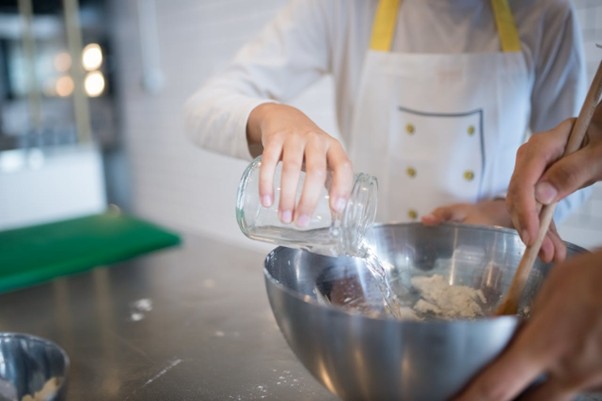
Photo by Kampus Production: https://www.pexels.com/photo/a-hand-pouring-water-on-the-stainless-bowl-8511849/