
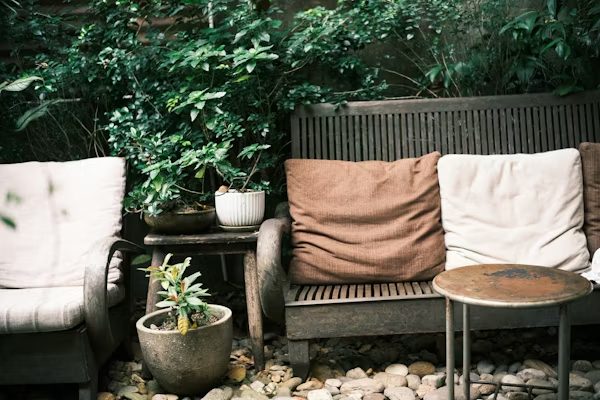
There’s something about stepping outside your back door and feeling like you’ve arrived somewhere special. Not a holiday destination, not a resort, just your own space, designed exactly the way you want it.
For most of us, the backyard is the most underused room in the house. We mow the lawn, maybe throw a few chairs on the patio, and call it done.
But what if you treated that space with the same intention you give your living room or kitchen? What if your outdoor area became the place where you actually wanted to spend your time?
Outdoor living isn’t a trend anymore. It’s become a fundamental part of how we design, build, and enjoy our properties.
The good news? You don’t need a mansion or a massive budget to make it happen. You just need a plan, a bit of creativity, and the willingness to think beyond four walls.
This guide walks you through practical ways to turn your backyard into a retreat that suits your lifestyle. Whether you’re a weekend entertainer, a quiet morning coffee type, or someone who just wants the kids to play somewhere beautiful.
Start With How You Actually Live
Before you rip anything out or start browsing catalogues, take a week to observe how you already use your outdoor space.
Where do you naturally gravitate? Where does the sun hit in the morning versus the afternoon? Where do the kids play, and where does the dog like to lie?
These patterns tell you everything you need to know about zoning your backyard. Most successful outdoor spaces work because they mirror real habits rather than fighting against them.
If you always drink your coffee on the east side of the house, that’s where your morning nook belongs. If every barbecue ends up with guests near the kitchen window, that’s your cue to create a proper entertaining zone nearby.
Think of your backyard the way an interior designer thinks about open plan living. Defined areas that flow into one another: a cooking zone, a lounging zone, a play area, maybe a garden bed that doubles as a visual screen.
A good starting point is sketching a rough layout on paper. You don’t need architectural software.
Just grab a pencil and map out where things could go. Mark the sunny spots, the shady corners, where the wind comes through, and where the views are best. That simple exercise will save you thousands in trial and error.
Choosing Materials That Work Hard and Look Good
One of the biggest mistakes people make with outdoor spaces is choosing materials based purely on looks.
That stunning pale timber decking? Gorgeous for the first six months, then a nightmare to maintain. Those sleek black tiles? They’ll burn your feet on a hot afternoon.
The best outdoor materials balance aesthetics with durability. Composite decking has come a long way and now rivals the look of natural timber without the constant oiling and sanding.
Natural stone pavers are incredibly hard wearing and age beautifully. Concrete, when done well with exposed aggregate or a honed finish, offers a clean modern look that handles weather without flinching.
For pergolas and shade structures, consider how the material will age. Hardwood frames look beautiful but need regular treatment. Steel and aluminium options are virtually maintenance free.
If you’re unsure about what will suit your space and stand the test of time, consulting Outdoor Living Experts can help you navigate the options and avoid costly mistakes that come from guessing.
When it comes to furniture, invest in pieces that can handle being left outside. Aluminium frames with weather resistant cushions, teak tables, and UV stable fabrics will serve you far better than dragging indoor furniture out every time you want to sit down.
The Power of Shade and Shelter
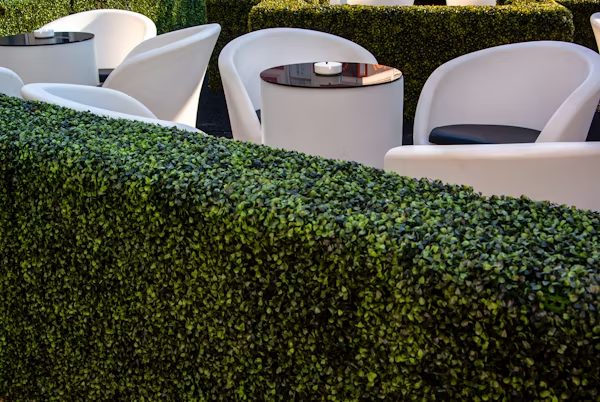
Here’s a truth that catches a lot of people off guard: the single biggest factor in how much you use your outdoor space isn’t the furniture or the barbecue. It’s shade.
Without proper protection from the sun (and rain, for that matter), even the most beautifully designed patio will sit empty for half the time.
Sail shades are a cost effective entry point. They’re easy to install, come in various colours, and can be removed seasonally if needed.
For something more substantial, a louvred pergola lets you control how much sun or rain gets through with adjustable blades. Brilliant for those days when the weather can’t make up its mind.
Want to go all in? A fully roofed outdoor room with ceiling fans, downlights, and outdoor blinds can be used almost every day. It becomes a genuine extension of your home rather than just a covered patio.
Think about lighting while you’re at it. A well lit outdoor area invites evening use, which effectively doubles the hours you spend out there.
String lights, recessed LED strips under bench seats, solar path lights, and fire pits all contribute to a space that feels as welcoming after sunset as it does at lunchtime.
Cooking, Eating, and Entertaining Outside
Let’s be honest: most outdoor entertaining revolves around food. Having a functional cooking and dining setup outside changes the game entirely.
The classic standalone barbecue still works perfectly fine. But more people are now opting for built-in outdoor kitchens.
These can range from a simple bench with a sink and barbecue to a full setup with a pizza oven, range hood, fridge, and prep space. The beauty is that everything has its place, and you’re not dragging things in and out of the house every time you cook.
Position your outdoor kitchen where it makes sense logistically. Close to the indoor kitchen helps with prep and cleanup. Near the dining table the cook keeps part of the conversation.
And always, always make sure the person at the grill isn’t baking in the sun while everyone else lounges in the shade. That’s a recipe for a grumpy chef and an early end to the party.
For dining, a good quality table that seats your typical group is worth every cent. Go bigger than you think you need; you’ll thank yourself when extra guests show up.
Benches on one side can squeeze in more people than individual chairs, and they tuck away neatly when not in use.
Landscaping That Does the Heavy Lifting
Great landscaping ties everything together. It softens hard surfaces, creates privacy, adds colour and texture, and makes a space feel finished.
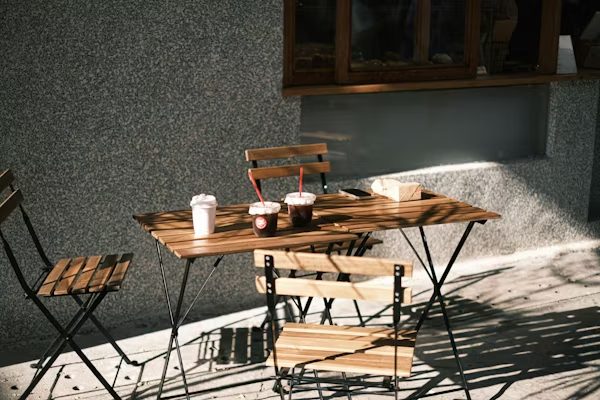
Start with the basics: a border of low maintenance plants along fence lines adds instant warmth. Native grasses and shrubs handle local conditions without constant watering or feeding.
If privacy is a concern, screening plants like lilly pilly, bamboo, or tall ornamental grasses can block sightlines more naturally than building a higher fence. More cheaply too.
Raised garden beds serve double duty as both a design element and a practical feature. Herbs within arm’s reach of the outdoor kitchen? That’s a win for both the gardener and the cook.
Edible gardens have surged in popularity, and for good reason. There’s real satisfaction in pulling fresh rosemary off a bush and tossing it straight onto the barbecue.
Artificial turf has come a long way too. For families with kids and pets, it offers a green, mud free surface that looks tidy without mowing.
If you’re working on a larger project or want a cohesive look across your entire outdoor space, bringing in Outdoor Living Experts early in the process makes a noticeable difference. They can coordinate the landscaping with the structural elements so everything works as a unified design.
Smart Features That Add Everyday Value
Beyond the big ticket items, smaller additions can boost both the function and feel of your space.
Outdoor sound systems have become surprisingly affordable. Bluetooth speakers built into planters or hidden in garden beds let you set the mood without visible wires.
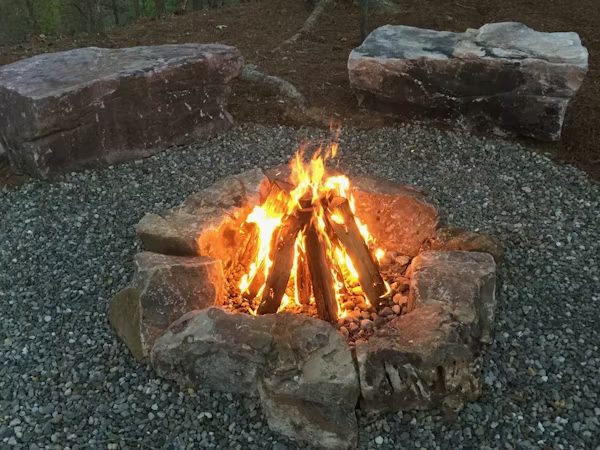
Heating extends your outdoor season by months. A well placed gas heater, electric radiant panel, or simple fire pit means you’re not retreating indoors the moment the temperature dips.
Fire pits in particular have become a focal point in many backyard designs. They create a natural gathering spot that draws people together.
Water features add a layer of calm that’s hard to replicate. The sound of moving water masks background noise, creates a sense of privacy, and makes even a small courtyard feel like an escape.
Wall mounted fountains, self contained ponds, and simple bubbling urns all work well depending on your space and budget.
Don’t overlook storage either. Built in bench seats with hidden storage underneath are a clever solution. So are garden sheds that actually match the aesthetic of your outdoor space rather than looking like an afterthought.
Making It All Come Together
The best outdoor spaces don’t happen by accident. They’re the result of thoughtful planning, smart material choices, and a clear understanding of how the space will be used.
You don’t need to do everything at once either. Many of the best backyards were built in stages, one project at a time, each one building on the last.
Start with the structure and the shade. Get the bones right. Then layer in the cooking and dining area.
Add landscaping to soften and connect. Finish with the details: lighting, heating, sound, and personal touches that make the space yours.
If you’re feeling overwhelmed or unsure where to begin, exploring outdoor living can take a lot of the guesswork out of the process. Having someone who understands materials, construction, and design walk you through a plan saves time, money, and frustration.
Your backyard has the potential to be the most loved space in your home. It just needs a bit of attention, a bit of planning, and the right approach to bring it to life.
So take that first step. Walk outside, look around, and start imagining what’s possible. The retreat you’ve been dreaming about might be closer than you think.