
It was a Wednesday morning. I had three site visits booked, a supplier dispute to settle, and a lease renewal to review. Then my lower back seized so hard I could not stand straight at my desk.
That pattern is common for owners, franchise operators, and multi-site managers across Australia and New Zealand. Pain shows up during real work, not during a quiet afternoon with time to spare.
Relief needs to help without fogging your head, taking half a day in a clinic, or leaning on hype. That is why pulsed electromagnetic field therapy, or PEMF, keeps coming up as a drug-free option for musculoskeletal pain.
A sensible decision on PEMF comes down to four checks: what it is, where evidence is strongest, who should avoid it, and how to test it beside standard care.
What PEMF Is and Is Not
PEMF is a non-invasive device therapy, but its benefits depend on the condition, the settings, and the rest of your care.
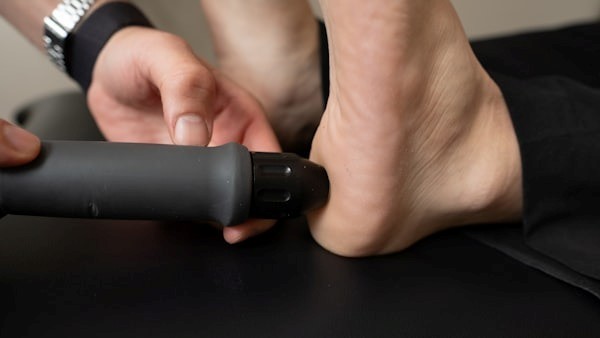
PEMF stands for pulsed electromagnetic field therapy. The device produces changing magnetic fields that pass through tissue and create tiny electrical currents. No needles, drugs, or sedation are involved.
Two settings matter most. Frequency, measured in hertz, means cycles per second. Intensity, measured as magnetic field strength in gauss or tesla, tells you how strong the field is.
Research protocols vary a lot. That variation is one reason study results do not line up neatly across devices and conditions.
PEMF is not a cure-all. It does not replace a medical assessment, and it does not remove the need for exercise-based rehabilitation. For low back pain, Australian care standards still emphasise education, movement, and other non-surgical first steps.
Why Pain Management Matters for Business Owners
For people who run teams or sites, pain is not only a health problem, it is an operations problem.

Pain narrows attention, shortens patience, and slows routine decisions. If you are approving invoices, fixing staffing gaps, or driving between locations, that drag reaches the whole business.
The scale is not trivial. Around 4.0 million Australians, about 16 percent of the population, were living with back problems according to the 2022 ABS National Health Survey reported by AIHW in 2024.
A 2025 modelling study projected that long-term back problems could cut Australia’s GDP by about A$638 billion over 2024-2033 if the trend remains unchecked.
For a cafe owner, that may mean fewer hours on the floor. For a franchise manager, it can mean slower site visits, shorter coaching sessions, and more reactive decisions.
Where PEMF May Help
The best current case for PEMF is targeted use for specific musculoskeletal pain, not general wellbeing claims.
Knee Osteoarthritis
A 2018 meta-analysis on osteoarthritis found benefits on several outcomes, but differences in frequency and intensity made firm conclusions hard. A 2022 systematic review also reported improved pain, stiffness, and function in part of the included trials.
Other trials showed little change. A 2025 knee osteoarthritis meta-analysis pointed to better short-term physical function, but the result was not statistically significant and subgroup data were limited.
That means the signal is interesting, not decisive. If knee pain limits stairs, stock lifts, or long periods on the shop floor, PEMF may be worth testing as an add-on rather than a stand-alone answer.
Chronic Low Back Pain
Evidence for chronic low back pain is encouraging, though still modest. In one randomised double-blind trial, adding PEMF to exercise improved outcomes more than sham treatment, which is an inactive comparison used to test the real effect.
Another randomised trial using low-intensity 20-gauss, 50-hertz PEMF reported greater pain reduction than sham when both groups also received conventional therapy. That matters because PEMF was tested as an add-on, not as a stand-alone fix.
If you sit for long stretches, lift stock, or spend hours driving, those findings are relevant. They still do not guarantee a response, but they do justify a careful trial when standard care is already in place.
Where Evidence Still Falls Short
The weak point is consistency, because PEMF studies do not use the same devices, schedules, or target conditions.
That variation makes it hard to compare one study with another. Short follow-up periods also leave open a practical question for owners: whether early relief, if it appears, lasts long enough to change your work week.
Evidence is also thin for broad claims about whole-body recovery, energy, or general wellness. Treat PEMF as a focused pain tool under review, not as a replacement for guideline-supported care.
Risks, Side Effects, and Who Should Avoid PEMF
PEMF appears well tolerated for most users in trials, but clear exclusion groups matter more than marketing claims.
People with pacemakers, implanted cardioverter-defibrillators, or other implanted electronic devices should not use PEMF. Strong magnetic fields can interfere with those devices, which creates a real safety risk.
Pregnant individuals should also avoid PEMF because safety data are lacking. Extra caution is sensible if you have active bleeding, epilepsy, a recent organ transplant, or another complex condition that changes risk.
Minor effects reported in practice can include temporary discomfort, lightheadedness, or a brief symptom flare after a session. That is another reason to start with screening, clear session settings, and a provider who explains contraindications before treatment begins.
Regulation and Advertising in Australia
A legal device listing is a basic credibility check, not a technical detail you can skip.
In Australia, medical devices must be included in the Australian Register of Therapeutic Goods, or ARTG, before legal supply. Ask for the ARTG number, the sponsor name, and the device’s intended purpose.
Then verify the listing yourself. A registered device for one purpose does not give a provider freedom to advertise every possible benefit, and the TGA has taken compliance action in adjacent device categories when claims ran ahead of evidence.
If you operate in New Zealand, check Medsafe requirements as well. Five minutes of due diligence can save money, reduce risk, and filter out providers who sell certainty instead of careful screening.
How to Try PEMF Safely
A short trial works best when you set clear measures before the first session.
Before you book anything, compare the provider’s claims with the device listing, the screening process, expected session length, likely sensations during treatment, and the review points they use if progress stalls. If you want a plain-English overview about session formats and what to expect before you ask those questions, you can discover electromagnetic therapy for pain relief to check the basics and frame a more useful first call.
If you decide to test PEMF, commit to a structured process. Half-trying it for a week, then guessing, tells you almost nothing.
- Establish a baseline. Record pain on a 0-10 scale, note a simple function test such as a timed sit-to-stand, and log work hours lost during the previous two weeks.
- Get GP clearance. Do this if you have implants, are pregnant, or manage a condition that changes risk. This step matters more than convenience.
- Verify the device. Confirm ARTG listing, intended purpose, and whether the provider’s claims match the registration.
- Set a realistic schedule. Two to five sessions a week is common in practice, but timing matters too. A Monday, Wednesday, Friday pattern before work is easier to follow than a vague plan.
- Track results every week. Use the same pain scale, the same function test, and the same day of review so the numbers are comparable.
- Apply a go or no-go rule by weeks 4 to 6. Continue only if pain drops by at least two points or function improves by at least 20 percent. If neither happens, stop and redirect the budget.

After you have that framework, it helps to compare a provider’s pitch with a plain-English overview of session formats and what to expect. Use it to sharpen your questions about session length, expected feel during treatment, and why a given schedule makes sense for your condition.
Also keep your core rehab in place. If you stop physiotherapy, stop walking, or ignore load management during the trial, you will not know what actually changed.
How PEMF Compares With Common Options
PEMF fits best as a supporting option, while exercise and rehab still carry the strongest everyday evidence.
| Option | Evidence Strength | Key Consideration for Owners
|
|---|---|---|
| Exercise therapy and physio | Strong, first-line | Requires consistency but has the broadest evidence base |
| PEMF | Mixed, evolving | Non-invasive adjunct; run a structured trial |
| TENS | Mixed | Low cost, portable; modest evidence for selected conditions |
| NSAIDs | Moderate | Effective short term but carry gastrointestinal and cardiovascular risks |
| Heat or ice | Low, symptom aid | Quick relief; no lasting structural benefit |
Exercise therapy remains the foundation because it builds tolerance, strength, and movement confidence over time. PEMF can sit beside that work when you want a non-drug option, but it should not displace the parts of care with the deepest support.
If you need fast symptom control for a flare, heat, ice, or short-term medication may still be more practical. PEMF is better judged across several weeks, not one bad afternoon.
What to Do If PEMF Is Not Working by Week Six
The discipline to stop a weak trial is part of good pain management, not a sign that you failed.
If your numbers have not moved by weeks 4 to 6, do not keep paying out of hope. Recheck exercise adherence, sleep, workload, driving time, lifting demands, and workstation setup.
For business owners, roster design can matter as much as treatment choice. One extra delivery run, one poorly placed stock shelf, or one long day of driving can erase a small gain.
Use your clinician to decide what comes next. That may mean a different rehab plan, a different diagnosis review, or a temporary focus on workload reduction while you rebuild capacity.
Frequently Asked Questions
The practical questions are usually about timing, combinations, and how to judge whether the trial is worth continuing.
How Quickly Might I Notice a Difference?
Reported timing varies. In trials and clinic use, responses that happen at all may show up within two to three weeks, but the better rule is to judge by weekly measures rather than by mood on one good day.
Can I Use PEMF Alongside Anti-Inflammatory Medication?
Widely reported direct interactions with NSAIDs are not a major issue, but your GP still needs the full picture if you take blood thinners or manage cardiovascular risk. The goal is to layer care carefully, not pile it on blindly.
Is PEMF Safe With Metal Implants That Are Not Electronic?
Non-electronic metal implants such as screws or plates are generally considered compatible because they do not have electrical components that can be disrupted. Even so, tell the provider where the implant sits and confirm the plan with your surgeon or GP.
Can My Staff Use the Same Provider or Clinic?
Yes, if the provider screens each person properly. Shared access can be practical for teams in hospitality, trades, or retail, but each staff member still needs separate contraindication screening, goals, and tracking.
Will PEMF Help With Sleep or Fatigue?
Anecdotal reports describe better sleep, but strong evidence linking PEMF directly to sleep or fatigue outcomes is limited. If pain eases, sleep may improve as a knock-on effect, yet that is not the same as proof of a direct benefit.
Making the Call
The best decision is a calm, numbers-based one that keeps safety, regulation, and standard care in view.
PEMF may help with musculoskeletal pain for a subset of business owners, especially when the target problem is knee osteoarthritis or chronic low back pain. The evidence is real, but it is not uniform.
If you try it, pair it with exercise therapy or physiotherapy, set review points, and stop when the trial does not earn its place. That is not hesitation. It is the same disciplined thinking you would apply to any investment that needs to prove its value.