

I recently sat with a first-home buyer who had compared six house-and-land packages across three Melbourne growth corridors. She had spreadsheets, brochures, and a colour-coded calendar, yet she still nearly signed a contract that buried $47,000 in provisional sums under vague line items.
That story shows the main risk in 2026. The structure looks simple, two contracts and one new home, but weak due diligence can turn a neat package into a long list of extras, delays, and avoidable disputes.
Property development trends are moving fast. Greenfield, or newly developed, lots are getting smaller, NCC 2022 has raised the performance bar, and builder insolvencies are still a live risk. Build times are easing from pandemic peaks, though, and a true fixed-price package can still be one of the clearest paths into ownership.
The safer approach is to treat the deal like a small development job. Check the contracts, the site, the code requirements, the builder, and the finance structure before any deposit leaves your account.
What Exactly Is a House-and-Land Package?
A house-and-land package is a land purchase and a separate building contract sold as one buying path.
You sign a land contract with the developer and a building contract with a licensed builder. The land usually settles first, then the home is funded through staged construction loan drawdowns as work is completed.
The split matters for stamp duty. In many cases, when the contracts are truly separate, duty is assessed on the unimproved land value rather than the combined land and build price. That difference can save a buyer a substantial amount at the start.
Lots can be titled or untitled. A titled lot can settle quickly. An untitled lot still needs subdivision registration, which creates sunset date risk, meaning a latest completion date that may not align with your loan approval.
Before paying a deposit, collect the draft plans, full specifications, site plan, easement details, developer design guidelines, and any Bushfire Attack Level, or BAL, flood, or covenant reports. Missing one document can hide a cost that appears later as a variation.
Advantages and Trade-Offs of Packages
Packages work best when you want price clarity, a modern home, and access to new estates with growing infrastructure.
The upside is straightforward. You usually get a newer layout, current energy standards, and more control over finishes than you would with an established home in the same price range. The trade-off is location, lot size, and timeline. Outer-suburban estates can mean longer commutes, tighter blocks, and more dependence on builder scheduling.
That does not make packages a poor choice. It means you should judge them against your daily life, not just the display village.
| Best Fit For | Not Ideal When
|
|---|---|
| First-home buyers targeting duty concessions | You need an inner-ring location |
| Upgraders wanting moderate layout changes | You have a hard move-in deadline |
| Investors chasing new-build depreciation | You want a fully bespoke design |
Property Development Trends New Buyers Should Track
Market trends help you spot where costs are likely to rise before they appear in a contract variation.
UDIA’s State of the Land 2024 reported the national median greenfield lot at 414 square metres, with Melbourne among the smallest and the ACT among the largest. The 2025 report noted Sydney’s megaregion median dropped another 3 percent to 413 square metres. Smaller blocks force tighter setbacks, narrower facades, and leaner outdoor areas.
Infrastructure also affects price and timing. Roads, sewer, trunk water, power, and data connections shape lot release schedules. Under the Telecommunications in New Developments policy, nbn may apply a one-time contribution of up to $300 per premises, and that cost can flow through to buyers.
Code changes are just as important. NCC 2022 now ties design decisions more closely to energy performance and accessibility, so orientation, insulation, glazing, and service layouts need to be resolved early, not after the permit stage.
Budgeting Without Surprises
The real budget is the full project cost, not the number printed in the ad.

Your all-in model should include the land price, transfer duty, conveyancing, settlement adjustments, site costs, base house price, upgrades, driveway, fencing, landscaping, window coverings, utility connections, and a contingency of at least 5 percent. Prime cost items are allowances for products you will choose later. Provisional sums are estimates for work that is not fully priced yet. Both deserve close attention.
Site costs are usually the biggest swing factor. Soil classification under AS 2870 determines footing design, and any Bushfire Attack Level assessment under AS 3959 can also change materials and compliance costs. Classes H1, H2, E, and P can add major expense through engineered slabs, piering, or rock removal. Ask for a site-costs-not-to-exceed clause after the soil report and survey are complete, and get fixed quotes for driveways and boundary fencing before signing.
Finance and Cash Flow
Construction finance works smoothly only when the land timing and the build timing line up.
Secure pre-approval for both the land purchase and the full build cost. The land settles first, then the loan usually shifts to progress payments at slab, frame, lock-up, fixing, and completion stages.
At each stage, the lender’s valuer checks the work before funds are released. Keep a cash buffer for approved changes, because even small variations can trigger extra paperwork and delay a drawdown.
When Independent Engineering Review Adds Value
An independent engineering review can save money and defects when the block is reactive, sloped, filled, or heavily retained.
If you’re building on reactive clay, fill, or sloped land, or your lot triggers a Bushfire Attack Level assessment, get an independent review before the builder locks in slab, retaining wall, and drainage assumptions, because those details often drive the most expensive late-stage changes. In that scenario, a suitably qualified independent trusted civil and structural engineering company can peer-review drawings, coordinate sign-offs, and test compliant alternatives while the scope is still flexible.
Builder-supplied engineering is common, but it is usually tied to the builder’s standard system and assumptions. On tricky sites, a separate review can test the slab design, retaining walls, stormwater path, and cut-and-fill strategy before the final contract price is locked.
That extra layer matters most on H2, E, or P sites, or where retaining walls exceed one metre. The right review can coordinate certification, highlight lower-cost compliant options, and reduce the risk of movement or drainage failures later.
Codes and Compliance Under NCC 2022
NCC 2022 is no longer a background issue, because it directly shapes design, price, and approvals.
The code lifts residential energy performance to a 7-star minimum under NatHERS, the Nationwide House Energy Rating Scheme, and adds a whole-of-home energy budget. That budget covers systems such as heating, cooling, hot water, lighting, and pool pumps, so the design must work as a complete package.
The code also brings in livable housing provisions that affect access paths, door widths, and bathrooms in new Class 1 homes. In practice, buyers should check orientation, shading, glazing values, insulation continuity, and hot water selection at concept stage. Late changes are rarely cheap.
Insurance That Protects You If a Builder Fails
Builder failure is still a real risk, so warranty cover should be checked before you focus on finishes.
Construction accounted for 27 percent of all Australian external administrations in 2023-24, according to ASIC. In NSW, Home Building Compensation cover is mandatory for residential work over $20,000, and the builder must provide the certificate before taking money or starting work. In Victoria, Domestic Building Insurance is generally required for contracts over $16,000. In Queensland, the QBCC Home Warranty Scheme covers most residential work over $3,300.
If a builder collapses mid-project, secure the site, notify your lender and insurer, keep every contract and payment record, and lodge the claim quickly. Do not appoint a replacement builder until the insurer has assessed the incomplete work.
Timelines From Reservation to Handover
Published averages are improving, but your personal timeline should still include delays that the brochure ignores.
ABS data for 2024-25 shows the average time from approval to completion for a detached house fell to about 11.5 months, down from nearly 13 months the prior year. HIA data for 2022-23 put detached houses at about 12.5 months, townhouses at 16.6 months, and apartments at 33.2 months.
Your real program starts before the slab. Add design work, energy modelling, permits, title registration, finance checks, weather, and inspection bookings. A realistic end-to-end allowance is about 14 to 18 months for a titled lot and 18 to 24 months for an untitled one.
Shortlist Builders and Estates
A smart shortlist compares contract detail and build quality, not just facade photos and starting prices.
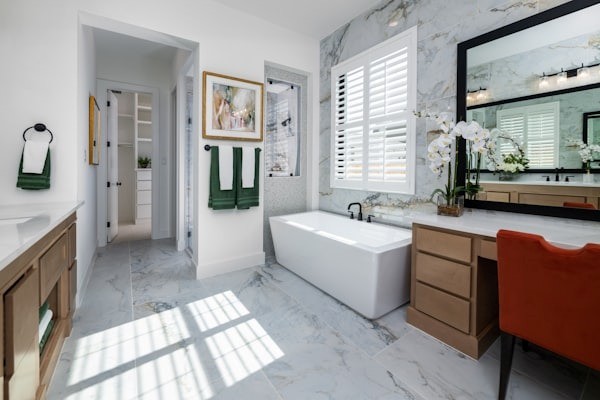
Audit inclusions line by line. Check titled status, site assumptions, progress payment timing, warranty certificates, and realistic completion windows. At display homes, look past the styling. Check caulking, tile cuts, door alignment, skirting joins, and storage.
Score each option on transparency, specification depth, site-cost certainty, aftercare, and local code experience. A cheaper headline price is not a saving if it depends on vague allowances.
Use Real Package Examples to Compare Specs
Live package examples are useful because they show how a builder presents inclusions when buyers can inspect the detail themselves.
Victorian buyers should compare a titled-lot release, a current package brochure, and the exact inclusions list before they treat any advertised figure as fixed, because the real differences usually sit in driveway scope, floor finishes, fencing, landscaping, window coverings, and vague provisional allowances rather than the headline number. For a live reference point on package structure and inclusions, review Beachwood Homes’ house and land packages before you finalise your shortlist.
The goal is not to copy one builder. It is to build a checklist of items that every quote must show in writing if you want a fair comparison.
30-Minute Pre-Sign Checklist
No deposit should be paid until the basic risk checks are done.
Confirm the soil report, survey, BAL result if relevant, titled status or sunset date, fixed inclusions list, capped site costs, named prime cost and provisional sum items, progress payment schedule, warranty certificate, lender approval, utility allowances, and written quotes for driveway and fencing. If any one of those is missing, the contract is not ready.
FAQ
Most late-stage problems start with a small misunderstanding that could have been cleared up before signing.
Is Stamp Duty Paid On the House Build Too?
Usually not, if the land and build contracts are genuinely separate. The exact treatment depends on the state and the contract structure, so confirm it with your conveyancer.
What If My Builder Goes Under Mid-Build?
Use the state warranty scheme straight away. Secure the site, preserve records, notify your lender, and wait for the insurer’s assessment before appointing a new builder.
Can I Change the Facade or Floor Plan After Signing?
Usually yes, but changes can affect cost, engineering, estate guidelines, and energy compliance. Get written approval and a full price impact before the change proceeds.
Do I Need an Independent Building Inspector?
Yes, in most cases it is money well spent. Inspections at pre-pour, frame, pre-plaster, and pre-handover stages can catch defects while they are still easier to fix.
How Do I Keep the Project On Budget?
Lock inclusions before signing, cap site costs after testing, avoid unnecessary variations, and keep a 5 to 10 percent contingency for real unknowns. Budget discipline matters more than choosing the cheapest starting price.