
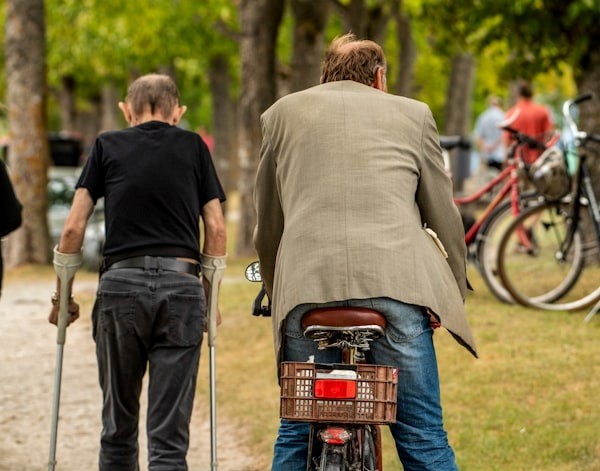
Last month I helped my mum pick a walker so she could get to the letterbox and back without gripping the fence the whole way. It should have been simple, but the number of choices was overwhelming.
The faster, safer way is to match three things: your daily tasks, the way your body moves, and the places you go. That simple filter helps you shortlist, measure, trial, and fund the right option in Australia.
Use this as a starting point, then confirm your choice with an occupational therapist, usually called an OT, or a physiotherapist before you buy.
Key Takeaways
Start with fit, real life trials, and a clear plan for funding and maintenance.
- Good fit beats brand. Set cane and rollator handles at wrist-crease height. For wheelchairs, measure hip width and turning space at home.
- Trial it in real life. Test on your own surfaces, including thresholds, ramps, and lawns, before you commit.
- Plan for transport. Check whether it fits your car boot and your local train or bus access space.
- Budget smart. Know National Disability Insurance Scheme, or NDIS, low, mid, and high cost rules, plus aged-care pathways.
- Track success. Watch distance walked, fewer rests, less pain, and fewer near misses in the first 14 to 30 days.
- Maintain it. Tyres, brakes, tips, and batteries on a simple calendar prevent costly surprises.
Know What These Devices Do
A mobility aid is any device that makes walking, standing, turning, or transferring safer and easier.
In 2022, 5.5 million Australians, or 21.4 percent of the population, were living with disability, up from 17.7 percent in 2018. More than half used aids or equipment, about 3.0 million people.
Common categories include canes and crutches, frames and rollators, manual wheelchairs, powered wheelchairs, mobility scooters, and lifestyle supports such as ramps and transfer boards. A short assessment with an OT or physiotherapist matches the device to your goals and cuts down expensive trial and error.
See Why Proper Fit Matters
Good fit does more for safety and comfort than any logo on the frame.
Confidence Without Overexertion
The right setup helps you stay active without flaring pain or fatigue. A walker that rolls smoothly over your path, for example, can turn a tense trip to the cafe into a relaxed one.
Fewer Slips and Stumbles
Correct handle height and working brakes reduce risky postures at kerbs and on slopes. Setting rollator handles at wrist-crease level, with a slight elbow bend, keeps your weight centred and your reactions quicker.
More Participation
When the device fits, daily life opens up again. You can shop, meet friends, or catch the bus with less worry. Using a chair or scooter for longer trips does not mean you have failed. It means you chose the tool that lets you take part.
Check Four Buying Filters
Choose by tasks, body, environment, and budget, because that mix tells you what will work once you leave the showroom.

Tasks: Note how far you walk per outing, how long you stand, and what you need to carry. A basket matters if you shop alone, while a seat matters if you need planned rest breaks.
Body: Look at balance, grip strength, shoulder health, pain triggers, and how easy it is to sit and stand. If your hands tire quickly, stiff brake levers can ruin an otherwise good rollator.
Environment: Measure the narrowest clear doorway, hallway turns, and the space beside your bed and toilet. Note thresholds, grass, gravel, ramp gradients, and car boot height, because a device that feels fine on smooth showroom vinyl can be awkward on your front path.
For NSW public transport, wheeled supports must fit within 1300 mm in length, 800 mm in width, and up to 300 kg including the occupant. They should also turn 180 degrees within a space of 2070 mm by 1540 mm.
Budget: Count the purchase price, servicing, and consumables such as rubber tips, tyres, tubes, and batteries. Also check funding avenues such as NDIS or My Aged Care before you pay out of pocket.
Bring your measurements, photos of tight spots, and a short list of must-do trips to every trial. That makes the conversation far more useful than asking for the best model.
Compare Your Main Options
Each category solves a different problem, so match the device to the task rather than the label.

Canes and Walking Sticks
Best for: Light balance support on even ground and short trips. Set the handle at wrist-crease height with a slight elbow bend, and use the cane on the opposite side to the weaker or painful leg.
Replace worn rubber tips, also called ferrules, before they go smooth. Keep a spare in the car or hall cupboard so a cracked tip does not cancel your day.
Rollators and Four-Wheel Walkers
Best for: Low to moderate balance needs when you also need a seat to rest. Handles should sit at wrist-crease height, brakes should be easy to squeeze, and the seat should feel stable when you sit down and stand up.
Practice a full turn in your kitchen or hallway without clipping cupboards. Then test kerbs, ramps, and the path to the letterbox, because cable brakes and wheel size make a big difference outside.
Manual Wheelchairs
Best for: Moderate to severe mobility limits and longer outings. Seat width comes from seated hip breadth at the widest point, and seat depth comes from the distance from the back to the knee, with room allowed for the backrest and other components.
After your OT has measured width and depth, compare frame type, weight, and legrest setup. Think about where you will store it, who may need to lift it, how often you travel by car, and whether tight indoor turns matter more than outdoor speed. If you need a compact indoor chair that is easier to transport, browsing SectorCare’s manual wheelchair range can help you shortlist models to trial before you order, and it also makes it easier to compare folded size, transport weight, and indoor manoeuvrability with your therapist.
Test whether you can self propel 10 metres, reach the brakes, and turn in your hallway or bathroom. If a family member will push, ask them to try a ramp and a car boot lift as well.
Powered Wheelchairs and Mobility Scooters
Best for: Very limited walking tolerance or longer community distances. Power chairs usually suit tighter indoor turning, while scooters can work well outdoors if you can transfer on and off safely.
Check the joystick side, turning circle, which is the space it needs to turn around, charging points, and where the device will sleep at night. In Queensland, users of motorised mobility devices are treated as pedestrians and must travel no faster than 10 km/h, keeping to footpaths where possible, but state rules vary, so check yours before the first trip.
Plan for annual servicing and battery care from the start. A flat battery or worn tyre is not just annoying, it can leave you stranded.
Try, Assess, and Buy in Australia
A good trial answers the practical questions that brochures skip.
Start with an assessment. Ask your GP for an occupational therapist or physiotherapist referral. They can assess your needs, check fit, and spot issues you may not notice, such as shoulder strain, unsafe transfers, or a device that is too wide for your bathroom.
Aged-Care Pathway. Arrange a My Aged Care assessment. If you are eligible, it can open the door to assistive technology, which is the formal term for support equipment, and home modifications under the Assistive Technology and Home Modifications scheme, usually shortened to AT-HM.
For entry level items, ask about GEAT through geat2GO, the national provider under the Commonwealth Home Support Programme. Short term loan pools can also help if you need something while you wait for funding.
Disability Pathway. NDIS participants should check cost tiers. Low cost is under $1,500 per item, mid cost is $1,500 to $15,000, and high cost is over $15,000. Items under $15,000 usually do not need quotes, but they still need evidence that the choice is reasonable and necessary.
Retail and Trial. Visit specialist stores and franchise showrooms with your measurements, photos, and test list. Ask about short term hire, trial to buy, return rules, and who handles servicing if the brakes or batteries fail.
Track Results in the First Month
You will know the choice is working when daily tasks feel easier, safer, and less draining.
Set before and after targets for the first 30 days, such as distance walked, time outside the house, rests per trip, near misses, and pain score after outings. A simple phone note is enough if you use it consistently.
Do a weekly 10 minute check. Inspect tip wear or tyre pressure, test brakes, confirm basket weight limits, and check battery charge. New hand pain, shoulder pain, scuff marks on tips, or braking trouble are signs to book a review with your therapist.
Stay Active Without Burning Out
The right setup should protect your energy, not just get you from A to B.

Recreation counts. If golf is your weekly social outlet and walking fairways leaves you exhausted before the back nine, the issue is often not the swing but the long distance between shots, the extra gear, and the effort it takes to stay social when your energy is fading. In that case, an Electric Golf Buggy from StackStore may help you keep pace while cutting fatigue between shots. Check course rules and safety requirements before the first ride.
Frequently Asked Questions
These quick answers cover the issues that usually decide whether a purchase works in daily life.
Do I Need an Assessment Before I Buy?
Yes, if you can get one. An occupational therapist or physiotherapist can help you choose safely and may also support funding applications. That review looks at your body, goals, and home setup so you avoid expensive mistakes.
How Do I Know My Cane or Walker Is the Right Height?
Stand naturally with your arms relaxed. The handles should line up with your wrist crease, and your elbows should have a slight bend once you grip them. That position supports better posture and reduces shoulder strain.
Can I Take a Scooter or Power Chair on Public Transport?
Usually yes, if the device meets your state’s size and weight rules. In NSW, for example, it must be within 1300 mm long, 800 mm wide, and under 300 kg including you. Check your local transport website before you travel.
What Funding Can Help If I Am Not on the NDIS?
Start with My Aged Care. An eligibility assessment may unlock support equipment and home modifications, and entry level items may be available through GEAT, delivered nationally by geat2GO under the Commonwealth Home Support Programme.
Make the Right Choice Stick
Measure first, trial in your own environment, and give yourself time to adjust before you decide a setup is wrong.
Book an OT or physio assessment this week, take your measurements and trial checklist to the store, and track your wins in the first fortnight. If your health changes later, review the fit again, because the best choice is the one that still works for your real life.