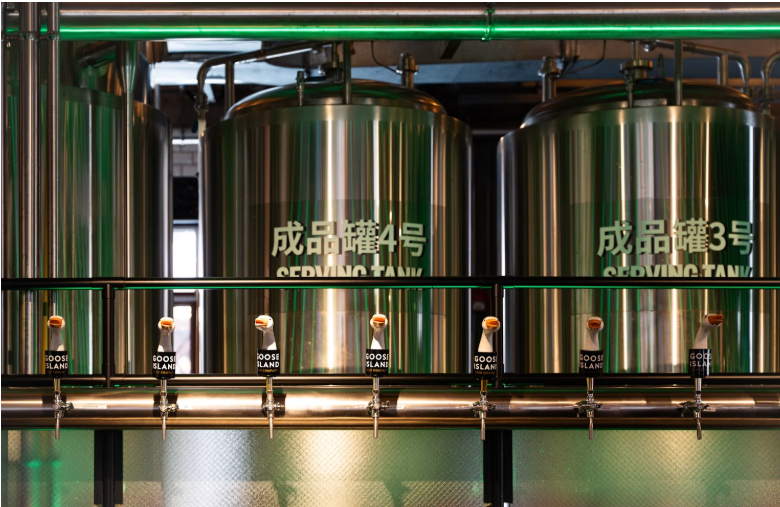
Operational efficiency is a critical driver of success in modern manufacturing businesses. Facilities need materials that contribute to reliability, durability, and ease of maintenance, enabling smooth production workflows and cost-effective operations. Thin stainless steel sheet has emerged as a key solution in this context, offering both operational and financial advantages that support robust and scalable manufacturing systems.
Supporting Consistency Across Production Processes
Manufacturing businesses depend on consistent processes to maintain product quality and operational predictability. From production lines and equipment panels to wall cladding and work surfaces, uniform materials help ensure that operations run smoothly.
Thin stainless steel sheets can be fabricated to precise dimensions and finishes, making it easier to standardise layouts across different production areas or facilities. Produced to recognised global standards, stainless steel ensures consistent quality, simplifies staff training, aligns workflows, and reduces variations that could impact efficiency.
Enhancing Durability and Minimising Downtime
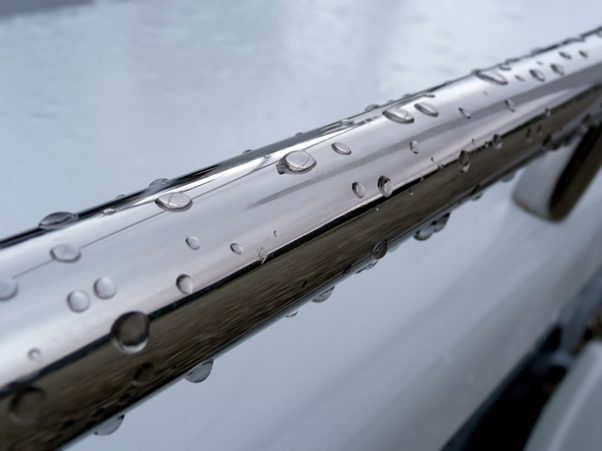
Manufacturing environments often involve exposure to moisture, chemicals, heat, and mechanical stress. Materials that deteriorate quickly can lead to frequent maintenance, unplanned downtime, and increased costs. Thin stainless steel sheets are highly resistant to corrosion and surface wear, making them ideal for demanding production settings.
This resilience minimises operational interruptions and extends the lifespan of equipment and surfaces. For businesses managing multiple production areas, fewer maintenance requirements mean more predictable scheduling and reduced downtime, allowing production targets to be met consistently.
Maintaining Hygiene and Regulatory Compliance
Many manufacturing sectors, such as food processing, pharmaceuticals, and cosmetics, operate under strict hygiene and safety regulations. Materials must support thorough cleaning and contamination control.
Thin stainless steel sheets feature smooth, non-porous surfaces that resist contamination and withstand rigorous cleaning processes, including high-temperature washing and strong sanitising agents. Using stainless steel in work surfaces, equipment casings, and wall panels supports consistent hygiene standards and regulatory compliance, helping to safeguard both product quality and brand reputation.
Streamlining Fabrication and Installation
The lightweight profile of thin stainless steel sheets allows for faster fabrication and installation. Compared to thicker alternatives, they are easier to cut, bend, and shape without compromising performance in appropriate applications.
For businesses expanding facilities or upgrading production areas, reduced installation time accelerates project completion and operational start-up. Quicker installations lower labour costs and allow production to begin sooner, enhancing efficiency and supporting business growth.
Supporting Modular and Flexible Design
Modern manufacturing increasingly relies on modular layouts that can adapt to changing operational needs. Thin stainless steel sheets integrate well into modular systems, offering structural strength without excessive weight.
This adaptability allows facilities to reconfigure production lines, expand operations, or upgrade equipment with minimal disruption. Materials that support easy modification enhance long-term operational resilience, enabling businesses to respond efficiently to evolving market demand, regulatory requirements, or technological advancements.
Delivering Long-Term Cost Efficiency
Although stainless steel may involve a higher initial investment than some alternatives, its durability typically results in lower lifecycle costs. Thin stainless steel sheets resist corrosion, staining, and physical damage, reducing the need for frequent replacements.
For manufacturing businesses, this translates into significant long-term savings. Lower maintenance costs, extended service life, and reduced material waste contribute to improved financial planning. Predictable material performance allows for more accurate budgeting and stronger overall cost management.
Improving Workplace Safety
Operational efficiency is closely linked to workplace safety. Materials that rust, crack, or degrade can create hazards that interrupt production and increase liability. Thin stainless steel sheets provide fire resistance and structural stability, contributing to a safer working environment.
Smooth, durable stainless steel surfaces reduce the risk of injury, while their resistance to warping ensures structural integrity even under demanding conditions. A safer workplace reduces accidents, minimises lost productivity, and fosters employee confidence, all of which positively impact operational performance.
Contributing to Sustainable Operations
Sustainability is an increasingly important consideration in manufacturing. Stainless steel is fully recyclable and often produced with recycled content, making it an environmentally responsible choice.
Its long lifespan reduces the frequency of replacement, limiting waste. Additionally, reflective properties can enhance natural or artificial lighting in production spaces, potentially lowering energy consumption. Integrating durable and recyclable materials into facility design strengthens sustainability initiatives without compromising operational standards.
Conclusion
Thin stainless steel sheets offer a comprehensive solution for enhancing operational efficiency in manufacturing businesses. Their durability, hygienic properties, ease of fabrication, and adaptability support consistent, safe, and cost-effective operations. By reducing maintenance, enabling flexible design, improving safety, and delivering long-term financial benefits, stainless steel contributes to reliable and resilient manufacturing performance.
For manufacturers seeking materials that support growth, compliance, and operational excellence, thin stainless steel sheets provide a practical foundation for sustainable business success.