
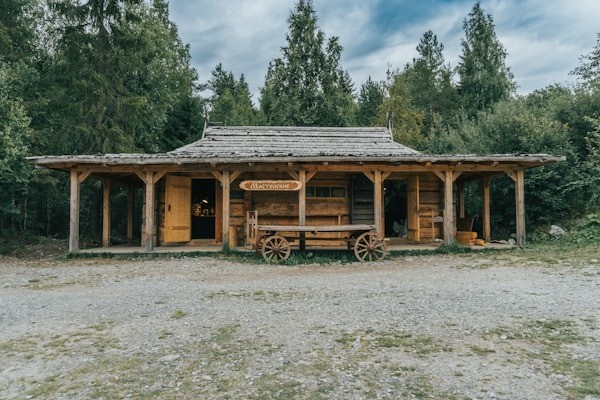
A flat-pack bedside table can look fine in a showroom and fail the moment it reaches a real room. In an angled Edwardian bedroom in Melbourne, one unit blocked a power point, scraped the skirting board, and sent its drawer into the door frame every morning.
The replacement was a custom timber piece built to the millimetre, with a cable grommet behind the lamp and a height matched to the mattress. It cost more upfront, but nothing had to be returned, recut, or worked around.
That contrast explains why custom-made products keep gaining ground with Australian homeowners. Houses across the country mix odd corners, older floorplans, hard sun, salt air, and local rules that standard products were never designed to handle.
The appeal is practical. When fit, comfort, compliance, and durability all matter at once, custom stops looking like a luxury extra and starts looking like the safer buy.
What Custom-Made Actually Means in Australian Homes
Custom works best when it is clearly defined, carefully measured, and matched to the rules that apply to your home.
In Australian homes, custom can mean made-to-measure joinery, a bedside sized for one alcove, or a site-built structure planned for one block. The work may happen in a workshop, on site, or across both.
It helps to sort the options into three levels. Off-the-shelf means a standard size. Semi-custom uses standard parts that are trimmed or reconfigured. Fully bespoke is drawn, measured, and built for your exact room or site.
Rules matter as soon as a project becomes part of the building. The National Construction Code, or NCC, applies when you build or alter a structure, but not when you buy a freestanding bookcase. In Victoria, a freestanding Class 10a building, which is a non-habitable outbuilding such as a carport, is exempt from a building permit only under tight conditions. Those conditions include a maximum area of 10 square metres, height limits, setbacks from boundaries, and non-masonry materials.
Consumer law matters too. Under the Australian Consumer Law, a business does not have to offer a refund for a change of mind. If the item is faulty or not fit for purpose, remedies still apply. That makes a detailed written brief essential on any custom order.
Three Big Benefits for Homeowners
Custom earns its keep when it improves daily use, lowers risk, and makes the home more comfortable over time.
The value usually sits on three linked gains: a better fit, fewer compliance surprises, and better comfort over time. When the brief is clear, those gains reinforce one another.
Fit, Space, and Daily Usability
Millimetre-precise design turns dead space into usable space. It can clear door swings, hide cables, and keep drawers working in rooms where standard furniture leaves awkward gaps or creates daily friction.
A practical brief covers skirting boards, uneven walls, power points, mattress height, drawer reach, and ventilation for chargers or medical devices. Those details sound small until a generic unit blocks them.
Compliance, Safety, and Fewer Surprises
Custom also lets you design to site conditions and current rules from the start. Victoria adopted key National Construction Code 2022 requirements for energy efficiency, condensation, and livable housing on 1 May 2024. Designing to that standard early is cheaper than fixing non-compliant work later.
Safety details belong in the brief as well. Slip resistance under AS 4586, which tests how slippery a surface is, matters at entries, ramps, and wet areas. Access rules that reference AS 1428.1 guide clear paths, thresholds, and usable handle heights.
Comfort, Energy, and Resale Value
Windows are still a major thermal weak point in Australian homes. Almost 90% of heat gain and up to 40% of heating energy loss happen through windows, so shading the glass is one of the highest-value upgrades you can make.
Well-designed external shading can block up to about 90% of radiant heat in local climates. Domain’s 2025 analysis found that energy-efficient houses in Melbourne can sell for up to $197,000 more than less efficient equivalents, which helps explain why custom pergolas, louvres, and awnings keep attracting attention.
What to Customise First
Start with the parts of the home that shape comfort, storage, and movement every day.
Focus first on rooms where heat load, clutter, and awkward sizing all meet. These areas usually deliver the fastest payback in function and comfort.
- Kitchens and Pantries: Integrate bins, pull-outs, ventilation, and task lighting channels. Match cabinetry to appliance sizes before any cut list is signed off.
- Living Storage and Media Walls: Hide cabling, add ventilation for electronics, and use acoustic doors where a home office shares the same space.
- Bedrooms: Size robes and bedsides to alcoves, mattress height, and door swings. Plan charging points and reading lights before joinery is built.
- Outdoor Living: Set pergolas and louvres to your latitude for seasonal sun control. Check bushfire ratings, wind loads, drainage, and stormwater connections.
- Carports: Design for setbacks, which are required distances from boundaries, plus vehicle door swing and local overshadowing rules. Choose materials that suit coastal or bushfire exposure.
| Factor | Custom-Made | Off-the-Shelf
|
|---|---|---|
| Fit | Millimetre-precise for the actual room or site | Best for standard footprints |
| Lead Time | Usually measured in weeks | Immediate or short shipping window |
| Compliance Certainty | Can be designed to current code from day one | May need on-site changes |
| Maintenance | Specified finishes and matched hardware | Generic parts and finishes |
| Cost Predictability | Higher upfront, fewer rework costs | Lower upfront, higher risk of near-miss costs |
| Resale Narrative | Documented bespoke inclusions | Harder to differentiate |
Find Carports Melbourne Experts
Custom outdoor structures pay off best when engineering, drainage, and permits are handled before construction starts.
Because permit exemptions are narrow and site details in Victoria can change drawings, costs, and timing, it helps to compare specialists who already handle siting rules, drainage, wind loads, council paperwork, and stormwater planning before fabrication begins. If you need that level of support for a compliant build, you can find carports Melbourne experts before choosing a design and locking in materials.
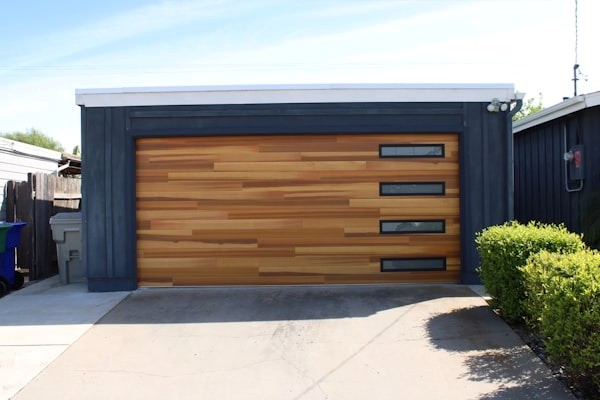
Carports and pergolas can add real value, but they can also create expensive delays if the process starts with guesses. This is one area where a low quote can become an expensive quote very quickly.
In Victoria, most carports need a building permit. The exemption is narrow and applies only to structures under 10 square metres that meet strict height, siting, and material rules. Missing that step can trigger stop-work orders, redesign costs, and fines.
Before you request quotes, gather a simple site plan, title details, easement notes, boundary photos, and a vehicle door-swing template. That prep gives every contractor the same facts and makes quotes easier to compare.
If you want local help with permits, drainage, shading, and wind loads, start by speaking with specialists who work with Victorian siting rules every day. A specialist can coordinate council questions, private building surveyors, and stormwater planning before fabrication begins, which reduces rework once materials are ordered.
It also pays to design for how you will use the space five years from now. Plan covered cable routing if an EV charger is likely. Match timber or steel finishes to coastal, urban, or bushfire conditions, and set the roof pitch and overhang so summer shade does not erase winter light.
Custom Timber Bedside Tables
Bedrooms show the value of custom quickly because a poor fit is noticed every morning and every night.
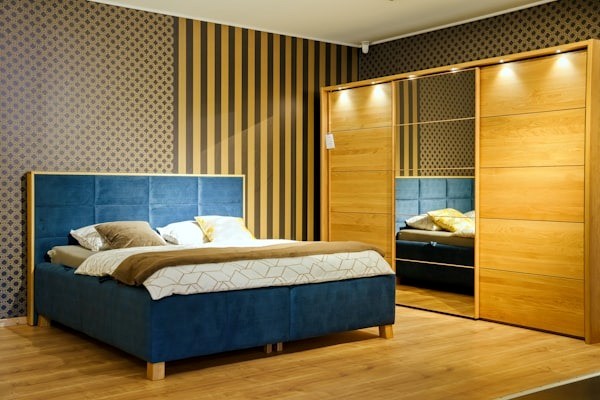
Standard bedsides assume a standard mattress height, a clear wall, and no obstacles near the bed. Real rooms rarely give you that clean setup, especially in older homes with skirting returns, narrow walkways, and awkward power-point positions.
A well-designed bedside should line up with the mattress top so your arm reaches naturally. Its width should clear skirting boards and door swings. Its depth should leave space for a lamp base or wall sconce, and cable routing should keep chargers and reading lights off the floor.
Material choice matters just as much as size. Australian hardwood paired with a low-VOC, or low volatile organic compound, finish can improve durability and indoor air quality.
That matters even more when both sides need matching proportions and easy access to switches and chargers. If you are comparing options, look at custom timber bedside tables that can be sized to alcoves, matched to mattress height, and finished to suit other built-ins in the room.
Ask about timber species, finish care, cable management, and the source of the wood before you approve the final drawing. Certifications such as FSC or Responsible Wood can help you understand provenance and ongoing stewardship.
Make Custom Work for You
Custom pays off when the brief is precise, the rules are checked early, and the finished product solves a real problem.
For Australian homes, custom is not just a premium look. It is a practical response to irregular rooms, strong sun, tougher site conditions, and rules that standard imports do not address well.
Start with shading and storage, because they shape comfort and daily use fastest. Document the brief with dimensions, finish choices, hardware, and service locations, then confirm permits before materials are ordered.
The demand is clearly there. HIA reported that the value of lending for renovations in late 2025 was almost three times higher than before the pandemic, and Roy Morgan found that 86% of Australians say buying Australian-made is important. Measured well and specified clearly, custom work can last for decades.
Budgeting, Risk Management, and Measuring Success
A custom project works better when the budget, measurements, and approval process are treated as one package.
Start with rooms that affect daily routines or buyer appeal. A simple priority matrix works well: Category A covers glazing, shading, and storage hot spots. Category B covers media units or feature joinery. Category C covers decorative extras. That structure helps you avoid spending past what the local market is likely to repay.
Risk management begins when final measurements are locked. Agree to tolerances in writing. Check that walls and floors are plumb before fabrication. Confirm appliance cut-out sizes, service locations, and permit status before anyone places a materials order.
Measure success after handover, not just on install day. Compare room temperatures on hot afternoons, track quarterly energy bills, and keep a record of every efficient upgrade for future sale listings. The best custom work saves time and friction every single day.
FAQ
These are the questions that usually decide whether a custom project runs smoothly or becomes expensive rework.
Does Custom Always Cost More?
It usually costs more at the start, but the full cost picture is wider than the purchase price. Custom work can avoid return fees, site fixes, wasted floor space, and energy loss from products that almost fit but never work properly.
How Long Do Custom Orders Take?
Local Australian makers commonly work in weeks, not months, although timing depends on materials, workshop capacity, and permit approvals. Ask for a written lead-time range and confirm whether site measure, drawings, approvals, and installation are included.
What Happens If Custom Goods Are Faulty?
Australian Consumer Law still applies to custom work. If goods are faulty, unsafe, or not fit for purpose, you may be entitled to a repair, replacement, or refund. Change-of-mind returns are different and are not required for bespoke orders.
When Does a Victorian Carport Need a Building Permit?
Most carports in Victoria need a permit. Exemptions apply only under strict conditions covering a maximum floor area of 10 square metres, height limits, siting setbacks, and non-masonry construction. A building surveyor can confirm the status before materials are ordered.
Do Shading Structures Really Reduce Heat?
Yes. Well-designed external shading can block up to 90% of radiant heat before it reaches the glass. NSW Government guidance estimates that this can cut heating and cooling bills by around 40% across the year.
Are Australian-Made Products Worth the Premium?
For a lot of households, yes. Roy Morgan found that 86% of Australians say buying Australian-made matters, and 93% say products carrying the Australian Made logo are genuinely local. That trust, along with shorter supply chains and easier after-sales support, helps justify the higher price.
How Do I Brief a Cabinetmaker Effectively?
Provide a dimensioned plan that shows wall lengths, skirting boards, service locations, power points, and any plumbing. Add finish samples, hardware preferences, and photos of the room. Freeze all critical dimensions before fabrication starts, and keep every approved change in writing.