
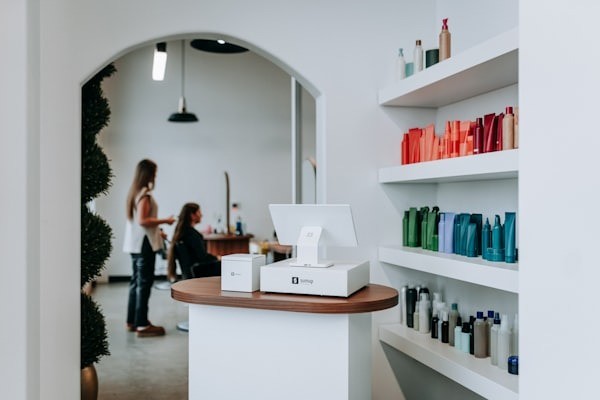
I reviewed the finances of a six-site salon franchise in Sydney. Retail made up just 4 percent of revenue. The owner called it “a shelf we dust.”
Twelve weeks after a structured premium retail reset, that share rose to 14 percent. Rebooking moved from 43 percent to 61 percent, with no new chairs and no extra rent.
For Australian beauty franchises, that is one of the fastest low-capex ways to lift loyalty and margin. In a market IBISWorld estimates will reach $12.4 billion by 2026, weak retail execution leaves profit on the table.
Multi-site operators and franchisees do not need a bigger footprint first. They need a repeatable system that makes the premium feel consistent at every visit.
Key Takeaways
Premium brands grow faster when retail, service, and loyalty work as one system.
- Retail needs process. Consultation, merchandising, and follow-up must connect at every site.
- Rebooking compounds fast. Even a modest lift can improve lifetime value and smooth rosters.
- Consistency matters. Planograms, scripts, and short training blocks reduce guesswork across franchisees.
- Digital matters too. Phorest reports about 46 percent of bookings happen outside trading hours.
- Compliance protects the brand. Packaging, product claims, privacy, and gift card wording all need attention.
- Weekly numbers drive action. Track retail mix, stock turn, rebooking, membership retention, and shrink.
What Is a Premium Salon Retail Strategy?
A premium salon retail strategy turns each appointment into a guided buying decision.
Instead of treating products as a side shelf, the franchise builds one operating system across service, merchandising, and follow-up. That system usually includes a good, better, best range structure, named service rituals, and a written home-care prescription after each visit.
Franchisors then lock it into playbooks, audit sheets, and quarterly coaching so every salon behaves like the same brand. A planogram, which is a set shelf layout, keeps hero products in the same place network wide. McKinsey expects premium beauty to outpace mass beauty growth between 2022 and 2027, so the opportunity is structural, not seasonal.
3 Big Benefits of a Premium Retail Strategy
Strong retail systems lift margin, steady demand, and keep brand standards consistent.
Higher Lifetime Value Without Longer Chair Time
Rebooking rate and attach rate, the share of services that also lead to product sales, both lift without adding chair time. Kitomba puts average Australian salon rebooking near 47 percent, while top performers push past 75 percent with clear scripts and coaching. A ten-point lift can smooth rosters and raise gross profit quickly.
Brand Consistency at Scale
Premium brands win through sameness. Simple service choreographies, short consultation scripts, and microlearning, ten-minute training blocks, reduce guesswork across franchisees.
A tighter system also means fewer refunds, better stock control, and cleaner reporting. Strong franchise relationships between franchisor and franchisee are what make that tighter system hold across sites. A practical rollout is 90 days, pilot, codify, then scale.
Resilience in Tight Cycles
Premium salons compete on value, not price cuts. Memberships, treatment plans, and gift cards with Australia’s three-year minimum validity help steady cash flow in quieter weeks. They also protect price integrity when nearby operators start discounting or pushing deep promotions.

What to Offer So Clients Perceive You as Premium
Clients read premium through curation, rituals, and clear recommendations.
Curate Good, Better, Best Ranges
Choose two or three hero ranges that fit the brand promise, such as repair, scalp health, or curl care. Keep the wall edited. Too much choice slows decisions and makes every line feel less premium. Smaller salons can still do this well, because a narrower premium wall usually sells better than a long wall full of slow stock.
In a franchise setting, operators usually need a hero line that can do more than fill a shelf. It should reinforce premium price integrity, give staff a clear education pathway, support consistent storytelling across sites, travel well in local area marketing, and make take-home recommendations feel purposeful rather than pushy. For that reason, Kevin Murphy works well when the brand wants an editorial look, cruelty-free credentials, and strong education support. Build one hero ritual with two take-home items, not a crowded shelf of near-duplicate options. Add limited seasonal packs to create urgency without training clients to wait for discounts.
Design Signature Services
Build three to five named rituals with 10, 20, and 30-minute time bands. Pair each ritual with one booster and one recommended home-care set. Sensory details, like aroma, warm towels, and a timed massage, help justify premium pricing and make the service easier to remember.
Standardise Consultation and Prescription
Use a simple four-step flow, diagnose, recommend, demonstrate, and document. If stylists say scripts feel robotic, keep the framework fixed and let the wording sound personal. The client should still leave with a clear regimen, a product in hand, and the next booking locked in.
Build Memberships and Treatment Plans
Offer two or three tiers built around access, convenience, and small credits, not heavy discounts. Priority booking, complimentary boosters, and rotating travel sizes can lift trial and retention. Track churn and average revenue per member each month so weak offers do not linger.
Support a Clean Sustainability Story
Environmental claims need proof. APCO reports 86 percent of Australian packaging is reusable, recyclable, or compostable, but the national goal is 100 percent. Teams should know where AICIS ends and TGA begins, and they should avoid vague claims after the ACCC’s April 2025 action against Clorox over ocean-plastic statements.
Where to Invest So the Brand Shows Up Premium
Spend first on visible touchpoints and repeatable staff systems.
Start with the moments clients see first. Use a three-zone layout, discovery at the front, prescription at the chair, and fulfillment at the counter. Keep three or four facings per hero item, use clear price cards, and audit visual standards each quarter so every site presents the same story.
Your digital shopfront matters too. Phorest says about 46 percent of bookings happen outside trading hours, so online booking needs to be fast on mobile. Add SMS reminders, booster prompts, and one-tap re-order links tied to the stylist’s prescription.
Then back it up with training. Build a microlearning academy for consultation, objection handling, retail compliance, and review requests. Certify staff and show those badges in salon profiles and local marketing.
How to Track Premium Retail Performance
Weekly numbers show whether premium positioning is raising margin or just adding stock.
Each site needs a one-page dashboard reviewed every week. Focus on retail-to-service ratio, with a practical target of 0.12 to 0.18, average order value, rebooking rate, membership revenue, stock turn, and shrink. For stock health, aim for four to eight turns by category and flag dead stock past 90 days.
Run a quarterly compliance check as well. Check gift card wording, privacy notices, environmental claim evidence, and any product language that could cross from cosmetic into therapeutic claims. What gets inspected gets repeated.
Make Premium Stick in Your Franchise
A simple rollout beats a big launch that teams cannot repeat.
Roll out in six weeks, not six months. Start with a baseline, lock the assortment and planogram, train the team, then soft launch to members before going network wide. Audit in week six and fix one or two weak points before the next site joins.
Premium brands are built by repetition. The salon groups that systemise rituals, coach from weekly numbers, and keep up with local franchising signals are better placed to grow margin without losing brand trust.