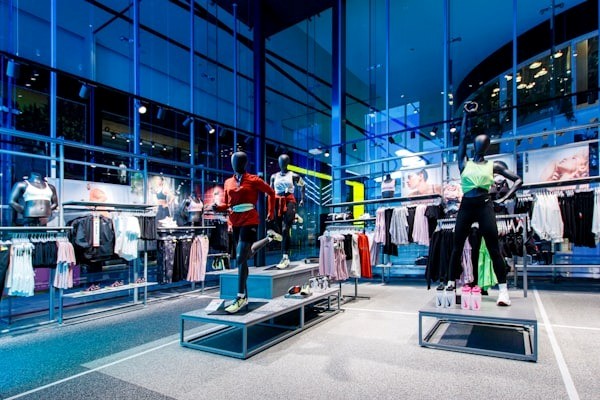
I recently watched a franchise owner refit three stores in eight weeks. Two upgrades produced nearly all the financial gain, rooftop solar sized to trading hours and a slatwall system that doubled usable fixture density.
The lesson was simple. A fit-out becomes safer in a high-cost market when each upgrade either lowers a fixed operating cost or lifts sales per square metre without adding daily complexity.
That is why the order matters. Fast-payback items should fund slower ones, and every choice needs to be easy to measure, code-compliant, and repeatable across every site in the network.
What Counts as a Smart Fit-Out?
A smart fit-out is measurable, compliant, modular, and easy to maintain.
Measurable. Payback is the time needed for savings or added gross profit to recover the install cost. Start with 12 months of energy bills or interval data and at least 90 days of sales and traffic, so you know what changed after handover.
Compliant. The NCC, or National Construction Code, must be built into the brief. Part E4 covers emergency lighting and exit signs through AS/NZS 2293, and wall linings need a Group Number, the fire-performance rating tested to AS 5637.1.
Modular. Use a kit-of-parts approach so one store does not become a custom job. If the same lights, controls, panels, and accessories repeat across sites, procurement gets simpler and install time drops.
Maintainable. Choose products with nationally stocked spares and clear warranty support. If a part fails in Cairns, the replacement should be just as easy to source as it is in Sydney.
Repeatable. The real test is whether a store manager can run the finished site without constant technical help. If staff need special workarounds every week, the upgrade is not truly smart.
The Fast ROI Shortlist: Upgrades to Prioritise
Start with the upgrades that cut fixed costs or lift selling capacity without closing the store for long.
| Upgrade | Primary Benefit | Indicative Payback | Complexity
|
|---|---|---|---|
| LED Lighting + Controls | 50 to 75% lighting energy cut | 1 to 3 years | Low |
| HVAC Optimisation | Up to 20% HVAC energy savings | 1 to 3 years | Medium |
| Solar PV | Hedges energy costs | 3 to 6 years | Medium to High |
| Slatwall Merchandising | Higher SKU density and faster resets | Under 2 years via sales lift | Low |
These ranges are indicative. Validate every number with local quotes, lease conditions, and your own baseline data.
Upgrade 1 – LED Lighting and Simple Controls
LEDs are the cleanest first move for most tenancies. They use about 75% less energy than halogen lamps, last far longer, and help reduce the rolling cost of emergency callouts across a multi-site network.
Replace halogen and older fluorescent fittings with LEDs, then set zone-based targets for task, feature, and ambient lighting. Add occupancy sensors in storerooms and toilets, and use scheduling so lights are not left on after close.
It also pays to check light quality, not just wattage. Use a colour temperature and colour-rendering level that suits the product, because harsh or inconsistent lighting can make apparel, food, and premium goods look flat.
Protect the compliance layer at the same time. Emergency lighting and exit signs still need AS/NZS 2293 coverage and test records, and those documents should stay in the fit-out pack for every site.
Upgrade 2 – HVAC Optimisation: Tune, Do Not Just Replace
HVAC is usually the largest energy load in a commercial tenancy, so tuning can beat an early plant replacement. Heating and cooling can account for up to 50% of building energy use, and setpoint tuning or staged compressor control can save roughly 20% in the right conditions.
Check timeclocks, deadbands, filters, coils, dampers, and refrigerant charge before spending on new units. Add overnight setback, occupancy schedules, and variable-speed drives where feasible, then verify comfort during the first trading hour so staff do not override the settings.
Look at zoning as well. If the back room, sales floor, and entry all run on one schedule, the system is probably working harder than it needs to.
Replace equipment only when breakdowns repeat, service risk rises, or the site is moving to an all-electric heat-pump setup. Measure kilowatt-hours per day, demand spikes, and complaint counts so you can prove the tune-up worked.
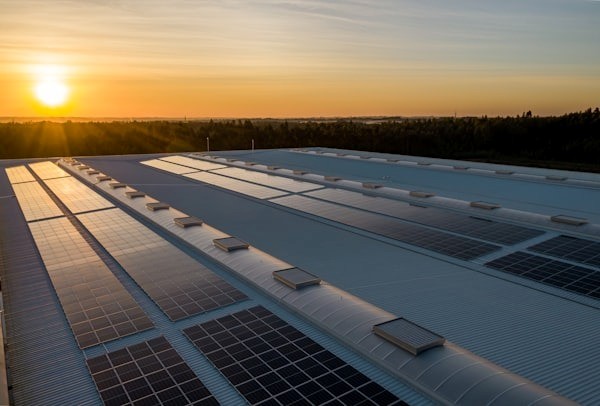
Upgrade 3 – Solar PV Sized to Trading Hours
Solar works best when the site uses most of what it generates during the day. In South East Queensland, including the Gold Coast, feed-in tariffs are set by retailers and can change, so exported surplus is less reliable than self-consumed power.
Review half-hour interval data, the utility record of usage through the day, then size the array to match the base load from lighting, refrigeration, and air-conditioning. Systems under 100 kW can create STCs, or small-scale technology certificates, under the Small-scale Renewable Energy Scheme, which can improve upfront value.
Check roof condition, switchboard capacity, shade, and landlord rights before final design. If the tenancy sits inside a shopping centre, the biggest delay is usually approval for rooftop access and metering changes, not panel supply.
Do not treat solar as a stand-alone decision. It performs best after lighting and HVAC loads have already been trimmed, because the final array can be sized more accurately to the site you will actually run.
Match Solar Design to South East Queensland Conditions
Local rules and tariff settings matter as much as panel price.
When procurement starts, it helps to compare installers who already understand Energex applications, metering, and demand-tariff behaviour. For South East Queensland retailers opening or refitting stores, Crowlz Electrical can size systems to trading hours, manage Energex approvals, and test daytime load against switchboard capacity and roof constraints before you review options for commercial solar systems in Gold Coast to improve self-consumption ROI.
Ask for a model that shows self-consumption, export ratio, STC assumptions, and any switchboard or roof-rectification work. That detail exposes weak quotes early and helps landlords approve the project faster.
Upgrade 4 – Slatwall Merchandising for Density and Speed
Slatwall is a sales-floor tool, not just a wall finish. It lets teams add more product facings, shift layouts faster, and respond to seasonal campaigns without calling a shopfitter for every reset.
Aluminium-inserted boards handle heavier loads than plain MDF-only options, and a broad accessory mix of hooks, shelves, faceouts, and bins supports a wide range of planograms. Landscape layouts suit long accessory runs, while portrait sections work well on narrow returns and columns.
Standardise a franchise kit with approved board colours, insert types, and accessory SKUs. That keeps store presentation consistent and makes training easier, because staff only need to learn one fixture system.
Slatwall is also a compliance item. As a wall lining, it needs a tested Group Number to AS 5637.1, boards must be fixed to suitable structure, and extra fixtures must not reduce egress widths or exceed published load limits.
Plan and Budget the Rollout
A pilot store should remove guesswork, not become a one-off custom job.
Choose one representative site with average trade, average staffing, and no unusual lease issues. A flagship can hide problems because it gets more time, more money, and more attention than the rest of the network.
- Build the baseline. Pull energy data, sales figures, traffic counts, and maintenance history for the pilot store.
- Set the scope. Lock the approved upgrades, drawings, emergency-lighting requirements, and wall-lining documents before ordering.
- Buy once. Nominate preferred vendors, confirm lead times, and check that spares are available nationally.
- Install in low-trade windows. Stage noisy or disruptive work before open, after close, or during planned shutdown periods.
- Commission properly. Test settings, train staff, and record final control schedules instead of relying on installer memory.
- Freeze the standard. Package the final drawings, SKUs, certificates, and cleaning rules into a franchise specification pack.
Keep a simple contingency line in the budget for hidden ceiling issues, switchboard work, or wall repairs. Those are the small surprises that usually stretch a rollout by a week.
How to Measure Impact and Prove Payback
A fit-out only scales when the results fit on one page and make sense to operators.
Track a small set of repeatable metrics each month. For solar, use self-consumption, total generation, and export ratio. For LEDs, use watts per square metre, lighting kilowatt-hours per day, and maintenance call frequency.
For HVAC, watch kilowatt-hours per day, peak demand in kilowatts, and comfort complaints. For slatwall, measure sales per square metre by zone, units per transaction, and reset time for each campaign.
Normalise the data where you can. Compare like-for-like trading days, note abnormal weather, and separate fit-out effects from a major change in staffing or promotional activity.
Share results across the network each quarter. Operators are far more willing to fund stage two when they can see the baseline, spend, and recovery period in a simple scorecard.
Standardise Slatwall Before You Scale
Fixture consistency saves more time than most buying teams expect.
Before you place a network-wide order, review the fixture mix you can standardise across store sizes, corner conditions, and product weights. When seasonal resets need to happen quickly across multiple stores, Dinya Shopfittings can help you compare board profiles, insert types, accessory fit, and load ratings across store formats before specifying slat panels that support higher SKU density and faster resets without custom parts.
Request the fire-performance paperwork with each order and store it in the fit-out file. That habit saves time during certification, insurance review, and future refurbishments.
Make the Fit-Out Work Harder
The best fit-outs lower cost, lift selling capacity, and repeat cleanly across the network.
Start with LEDs and HVAC tuning if capital is tight. Add solar where daytime demand is strong and roof rights are clear, then use slatwall where product mix changes fast or floor density is limiting sales.
The goal is not one impressive store. The goal is a repeatable package that improves margin, keeps compliance tidy, and gets easier with every new site.
FAQ
These are the questions that usually decide scope, timing, and risk.
What Is a Realistic Payback for LEDs in a Specialty Store?
One to three years is common, depending on trading hours, tariff structure, and how much halogen or fluorescent load you remove. State schemes can shorten that window, but only if the proposed products and installer meet current program rules.
Do I Need Batteries with Commercial Solar?
Usually not in a retail tenancy with strong daytime load. Batteries add cost and complexity, so they make more sense where backup power or demand-charge management is a clear business need.
Are Feed-In Tariffs Guaranteed on the Gold Coast?
No. In South East Queensland they are market-set by retailers and can change, which is why self-consumption matters more than export volume when you size a system.
Can Slatwall Fail Fire-Performance Requirements?
Yes, if the product does not have the right Group Number test documentation to AS 5637.1. Always request the certificate and keep it with the project records.
What About Exit Signs During a Refit?
Emergency lighting and exit paths still need to remain compliant during the works and at handover. Temporary arrangements must also satisfy AS/NZS 2293 where they are required.
How Do I Pilot Upgrades Across a Franchise?
Pick one representative store, install the agreed package, and measure results for 30 to 90 days. Once the numbers are clear, freeze the specification and roll out the same standard elsewhere.
My Tenancy Is in a Centre. Who Controls the Roof for Solar?
Usually the landlord or centre owner controls rooftop access and shared services. Get written approval early and clarify how the solar system will connect to existing meters and common infrastructure.