When expanding a franchise or developing a new commercial property, business owners face constant pressure to balance construction costs with long-term performance. While cheaper materials may reduce upfront expenses, they often create higher operational costs over time through repairs, maintenance, replacements and business disruptions.
Economical building materials are those that provide durability, low maintenance, energy efficiency and long-term value without sacrificing visual appeal. For franchise owners, these decisions are even more important, as every new location needs to maintain a professional, consistent appearance while remaining cost-effective to operate. Here, we’ll explore some of the best economical building materials for commercial projects, from durable Colorbond fencing to energy-efficient glazing systems.
What Makes A Building Material ‘Economical’?
We define an economic material not just by its initial cost, but by the costs it requires over its entire lifespan. Hidden costs many people fail to account for include maintenance, repairs, repainting, pest treatment and water damage.
The most economical building materials are those with the best longevity, because durable materials often provide better value, even if they cost more upfront. This is especially true in harsh Australian conditions, where buildings are exposed to UV radiation, rain, wind and extreme temperatures. Therefore, an economical material is one that is proven to last, even if it requires a higher initial investment.
Durable Fencing Solutions That Reduce Long-Term Costs
Traditional timber fencing is picturesque, but it quickly runs into issues. Rot, warping, pests, peeling paint, moisture damage – all of these can become constant headaches after installing a timber fence.
On the other hand, materials like Colorbond steel offer a stronger, lower-maintenance alternative. Colorbond fencing is totally resistant to the same issues that plague timber fencing, but doesn’t sacrifice aesthetics. It’s easy to clean, requires minimal upkeep, and its modern appearance and wide colour range help boost curb appeal – truly an economical material that balances aesthetics and longevity.
Low-Maintenance Decking for Modern Alfrescos
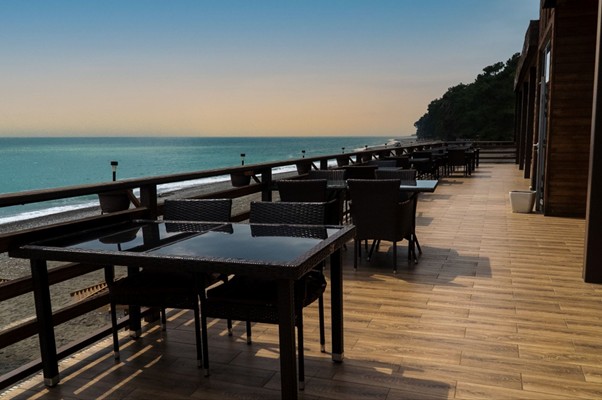
Like timber fencing, timber decking requires ongoing maintenance, including regular sanding, oiling and sealing, as well as repairs for splintering and moisture damage. Each of these tasks adds to overall costs, so it’s no wonder composite decking is fast becoming a popular alternative.
Alternative materials like Trex composite decking are designed to be more durable and require less maintenance. Trex composite decking specifically resists fading, moisture, cracking and splintering, making it the product with the longest lifespan. It also looks nearly identical to timber, so business owners can maintain a homely, comfortable, polished alfresco area without the never-ending to-do list.
Energy-Efficient Materials to Lower Business Expenses
Never underestimate the power of energy efficiency in lowering business expenses. A well-insulated home can significantly cut heating and cooling costs. For new builds, invest in insulated wall panels and cladding to regulate indoor temperatures.
Likewise, double-glazed windows offer long-term savings by providing thermal insulation, noise reduction, reduced energy costs and increased comfort, making your store a better place to come and enjoy. These economical materials are subtle, so they won’t affect your building’s aesthetic value at all.
Concrete, Stone, and Engineered Surfaces That Last
High-traffic surfaces are subject to wear and tear from daily use, and replacing cracked, stained or deteriorating surfaces every few years can be more expensive than investing in economical building materials from the get-go.
Polished concrete, natural stone and engineered and composite surfaces are excellent choices for areas like patios, service benches, pathways, outdoor seating areas and gardens that are subject to heavy foot traffic and extreme weather. These economical materials are practical, contemporary and attractive, and their longevity and high-end appearance often justify making the investment.
Sustainable Materials That Save Money Over Time
Sustainable building materials are becoming increasingly valuable in commercial construction, particularly for franchise brands looking to improve operational efficiency and strengthen their public image. Recycled steel, insulated cladding systems, composite materials and solar-reflective roofing products can all reduce long-term operating costs while supporting sustainability goals.
Water-efficient landscaping materials and permeable paving can also reduce water usage and ongoing site maintenance. Beyond cost savings, sustainable materials can help businesses appeal to environmentally conscious consumers and position franchise brands as modern, forward-thinking organisations.
Standardised Materials for Easier Franchise Expansion
Consistency is one of the biggest priorities when expanding a franchise, and building materials play a major role in maintaining a recognisable brand identity across multiple locations. Using standardised materials for flooring, fencing, cladding, outdoor areas and interior finishes helps create a uniform customer experience while simplifying future construction projects.
It also makes maintenance and repairs far more efficient, as replacement materials and servicing processes remain consistent between sites. Durable, easy-to-source materials can reduce downtime and help franchise owners scale more effectively as new locations open. In the long run, standardisation improves operational efficiency while supporting a polished, professional brand image.
How to Choose the Right Materials for Your Commercial Project
When selecting cost-effective building materials for a franchise expansion or commercial development, business owners should consider more than short-term construction budgets. You also need to consider how much ongoing maintenance the property will require, how heavily the space will be used and how important consistency is across multiple locations.
Materials should be selected based on durability, ease of maintenance, energy performance and their ability to maintain a professional appearance over time. Timeless finishes and neutral palettes are often the safest investment for commercial projects, as they age well and remain visually appealing long after design trends change. Most importantly, choosing quality materials early can help businesses avoid costly disruptions, repairs and refurbishments later.
Key Takeaways
Economical building materials help franchise owners and commercial developers balance upfront construction costs with long-term performance, durability and operational efficiency. While some materials may involve a larger initial investment, options such as Colorbond fencing, composite decking, double-glazed windows and engineered surfaces often deliver substantial savings through reduced maintenance, lower energy bills and longer lifespans. For businesses expanding into new locations, investing in durable, consistent and low-maintenance materials helps create professional spaces that support both brand image and long-term profitability.