I recently compared two fridges with the same capacity on the Energy Rating website. One cost $200 less upfront. The other used 150 fewer kWh a year.
Over ten years, the more expensive fridge saved me more than $600 in electricity. The cheaper sticker price was the trap.
That choice shows up in every appliance category in Australian homes. Appliances account for around 30% of household energy use, and better models can cut bills in a meaningful way. Too many buyers still choose whatever is on sale without checking the label.
Energy costs keep rising. Indoor air quality now matters more in appliance decisions. The push to electrify homes is also speeding up across every state, so a purchase made this year can shape running costs for the next decade.
The smart approach is simple. Read the label, check the ten-year cost, and match the appliance to your climate, home, and power setup.
Done well, each purchase cuts bills now and lowers emissions over the long term.
How to Read Australia’s Labels: Energy Rating and WELS
The label is the fastest way to rule out poor-value models.
Start with two fields on the Energy Rating Label, the star rating and the estimated annual kWh use. Stars show efficiency within a product class. The kWh figure is what lets you compare running costs over time.
For air conditioners, check the Zoned Energy Rating Label, or ZERL. It shows performance in three climate bands, Hot, Average, and Cold. Brisbane buyers should read Hot, Sydney buyers should read Average, and Melbourne buyers should read Cold.
Always compare like for like. A 400-litre fridge will usually use more power than a 300-litre model, even if it has a stronger star rating. The annual kWh number only tells the full story when both products do the same job.
For washing machines and dishwashers, look for the Water Efficiency Labelling and Standards label, known as WELS. Check both the star score and the litres per cycle. These products cannot be legally sold in Australia without a WELS label.
If you want a quick bill estimate, scan the label’s QR code or use the Energy Rating Calculator online. It is not perfect, but it is usually enough to spot a bad buy.
The Five-Minute Total Cost of Ownership Calculation
A fast total cost of ownership check usually beats a discount tag.
The formula is simple. Add the purchase price to annual kWh use multiplied by your electricity tariff and then multiplied by ten years. Add consumables, include likely maintenance, and subtract any rebate.
Here is a fridge example. Fridge A costs $900 and uses 350 kWh a year. Fridge B costs $1,150 and uses 200 kWh a year. At $0.33 per kWh, Fridge A costs $1,155 to run over ten years, or $2,055 in total. Fridge B costs $660 to run, or $1,810 in total.
Use the tariff shown on your latest bill. If you have rooftop solar, daytime appliance use may effectively cost your feed-in rate, which is the lower price paid for exported solar power, rather than the full grid rate. The numbers are estimates, but they are good enough to compare options with confidence.
Match Appliances to Your Climate, Dwelling, and Power Setup
The best appliance on paper can be the wrong choice for your home.
Australia’s climate changes appliance performance in real ways. A split-system air conditioner that looks strong in the Hot band may not be the best buy for a Melbourne winter. Always use the climate column that matches your location, and size the unit for the room rather than the whole house.
Your dwelling matters too. Freestanding houses usually have room for outdoor units and larger systems. Strata apartments, townhouses, and heritage homes can limit drilling, external mounting, or noise, which narrows the field quickly.
Power setup matters just as much. If you have solar PV, schedule high-draw appliances for the middle of the day. If you are on a time-of-use tariff, check whether off-peak windows make sense for hot water, laundry, or dishwashing.
Space Heating and Cooling: Pick the Right Primary System
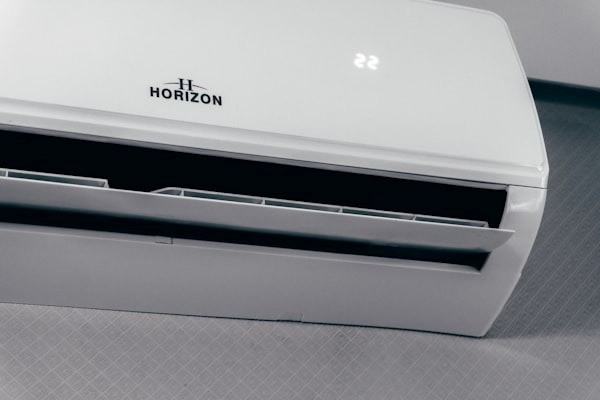
For most homes, a reverse-cycle split system is still the most efficient all-round choice.
Reverse-cycle air conditioners deliver 300–600% heating efficiency because they move heat instead of creating it from scratch. In plain terms, they can produce three to six units of heat for each unit of electricity used.
When you compare models, check the ZERL stars for your climate zone, the unit size in kilowatts, and the indoor and outdoor noise levels in decibels. Oversized units cost more, short-cycle, and can leave rooms less comfortable. Undersized units run flat out and still struggle.
Ducted systems can suit larger homes, but they are usually less efficient room for room than separate splits. Portable air conditioners are the least efficient option and make the most sense only when permanent installation is not possible.
Daily habits matter too. Set heating to 18–20 degrees Celsius, clean filters each month in peak season, shade west-facing windows, and seal draughts around doors and windows.
Electric Radiators for Sydney Homes and Beyond
Electric radiators make sense when a split system is not practical and you only need targeted room heating.
In small Sydney terraces or strata apartments, installation limits can rule out a split system even when it would be cheaper to run. In those cases, an electric radiator can heat a bedroom or home office quietly and without wall penetrations. That suits the short winter bursts that many Sydney households actually need.
Look for a built-in thermostat, a timer, child-safe surface temperatures, and a wall-mount option.
The trade-off is clear. Electric radiators cost more to run than reverse-cycle systems because they create heat directly. They still win on silence, easy setup, and zero changes to the building, which matters for renters and owners in heritage-listed homes.
Before buying, clarify the job: a retrofit-friendly unit that warms one room, stays quiet at night, and doesn’t require drilling or external condensers.
For renters and older buildings, that checklist matters more than headline wattage. It also helps to check thermostat accuracy, timer settings, and wall-mount options so the heater runs only when needed and doesn’t take up floor space.
If you are comparing electric radiators Sydney apartments can use without major building work, a specialist like Oblica focuses on models built for those tight retrofit limits. Just treat them as zone heaters, not whole-home systems.
Hot Water: Why Heat-Pump Water Heaters Win
Hot water is one of the biggest energy loads in the home, and heat pumps cut that load hard.
Heat-pump water heaters use about 30% of the energy of a conventional electric storage system. NSW guidance notes they can cut hot-water energy use by up to 75%, and state incentives may reduce the upfront cost.
They work by pulling warmth from the surrounding air and moving it into the water tank. That is why they can deliver two to four units of hot-water energy for each unit of electricity used. This ratio is called the coefficient of performance, and a higher figure is better.
Buyers should look at four things first, cold-climate performance, noise, tank size, and controls. A small tank can leave a family short on hot water by evening. A noisy outdoor unit can also become a problem if it sits near a bedroom window or a neighbour’s fence.
Placement matters more than many buyers expect. Put the unit where airflow is good and daytime warmth is available. If you have solar, use a timer so most of the heating happens around midday instead of after sunset.
The common objection is price. Heat pumps do cost more upfront than standard electric storage systems, but rebates, lower running costs, and longer-term bill savings usually close that gap. Federal Small-scale Technology Certificates and state schemes in places such as NSW and Victoria can make the numbers work much faster.
Kitchen: Cooktops and Ovens That Save
The kitchen offers some of the clearest gains from electrification and smarter appliance use.
Induction cooktops transfer heat to cookware at roughly 85% efficiency, while gas manages around 32%. That means faster boil times, less wasted heat, and a cooler kitchen in summer. CHOICE also cites Asthma Australia noting that gas cooktops add indoor combustion pollutants linked to childhood asthma.
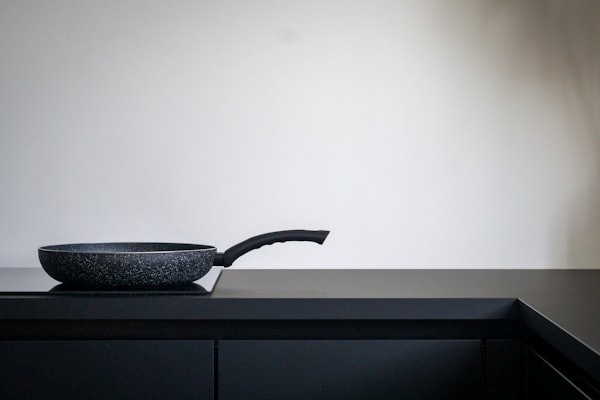
The main hurdle is electrical capacity. Older homes may need a 20-amp or 32-amp circuit, so an electrician visit should be part of your total cost check. Even with that added cost, households that cook most days can still come out ahead over time.
Induction also changes how you cook. Heat appears faster, simmer control is more precise, and the surface cools sooner once the pan is removed. That can feel unfamiliar at first, but most people adjust within a week or two.
For ovens, choose a fan-forced model with tight door seals and a clear temperature display. Avoid long preheats when the recipe does not need them. For smaller meals, use a microwave, air fryer, benchtop oven, or rice cooker, because each one uses far less energy than heating a full-size oven cavity.
Good habits matter here as well. Keep lids on pots, match pan size to the cooking zone, and cook in batches when the oven is already hot. Small changes in the kitchen repeat every day, so the savings build quickly.
Choosing Quality Induction Cookware
Even the best cooktop underperforms if the cookware is wrong.
Induction needs ferromagnetic bases, which means the base must respond to a magnetic field. The easy test is a magnet on the pan base. If it sticks firmly, the pan should work.
Heavy, flat-based pans with thick walls usually give better heat transfer and steadier simmer control. Match the pot diameter to the cooking zone, because pans that are too small waste energy and may trigger error messages on some cooktops. Lids also matter, especially when boiling water, because they can cut energy use for that task by up to 30%.
Cookware is where induction efficiency is either amplified or wasted. A pan that rocks, has a thin base, or spreads heat unevenly forces you to use higher power settings and can make low simmers frustrating.
Choose pieces that sit dead flat, feel stable on the zone, and hold heat evenly for everyday cooking. If you want to shop quality induction cookware, brands like Ironclad Pan target that need with induction-ready pieces built for Australian kitchens. Good cookware is the quiet multiplier that makes an efficient cooktop work as intended.
Refrigerators, Freezers, and Laundry
Always-on appliances deserve extra scrutiny because their running cost never stops.
Fridges and freezers commonly account for around 10% of household energy bills. Right-size for the household rather than buying for rare occasions. A couple usually does not need a 600-litre fridge, and the extra space costs money every day.
Place the fridge away from ovens and direct sun, and keep ventilation clear at the back and top. Aim for 3–4 degrees Celsius in the fridge and minus 15 to minus 18 in the freezer. Variable-speed compressors, door alarms, and R600a refrigerant are all worth looking for.
For laundry, front-load washing machines with strong Energy Rating and WELS scores usually beat top-loaders on both water and energy. Pair them with a heat-pump dryer if you need regular machine drying. Heat-pump dryers cost more upfront, but they are the most efficient dryer type and are gentler on clothes.
Use eco cycles, cold-wash settings, and high spin speeds to cut drying time. When weather allows, line-drying still beats any dryer on running cost.
Standby Loads, Smart Control, and Solar Integration
Small loads matter because they run quietly in the background all year.
Standby power is the electricity a device uses when it looks off but is still waiting for a signal or keeping a display alive. Across a home, that can account for up to 3% of energy use and roughly $100 a year.
Entertainment units, game consoles, chargers, printers, and old kitchen appliances are common culprits. Switch them off at the wall when possible, or group them on a smart power board so one click cuts several loads at once.
Smart-home gear can add a small standby load of its own, but automation usually saves more than it consumes. The best use is scheduling, not novelty. Delay-start functions on washers, dryers, and dishwashers are especially useful for solar homes.
If you have a smart meter and time-of-use pricing, learn your peak and off-peak windows. If you have solar, run big loads when the sun is out. Batteries give more flexibility, but they are not required to make daytime shifting worthwhile.
Rental-Friendly Efficiency Upgrades and Responsible Disposal
Renters still have solid options, even when major upgrades are off limits.
Portable induction hobs can replace older coil or gas cooking for everyday meals without permanent changes. Plug-in heaters with timers can warm a single room more cheaply than heating an entire dwelling, especially when used with curtains, door snakes, and draught stoppers.
Smaller efficient appliances can also help. Air fryers, efficient kettles, rice cookers, and microwaves reduce reliance on older ovens and stovetops that draw more power for simple tasks.
When asking a landlord for an upgrade, keep the case practical. Show the Energy Rating or WELS label, estimate the running-cost difference, and explain any maintenance benefit. A clearer, cheaper appliance is easier to approve than a vague request.
When an old appliance reaches the end of its life, do not send it straight to landfill. Fridges and freezers contain refrigerants that need safe recovery. Use accredited recycling services, check your council’s hard-waste rules, and search Planet Ark directories for local e-waste drop-off points.
FAQ
These quick checks cover the questions most buyers ask at the point of sale.
Do More Stars Always Mean a Better Buy?
No. Stars show efficiency within a product class and size bracket. Always compare the kWh figure between models with similar capacity, because a larger five-star fridge can still use more power than a smaller four-star one.
How Do I Estimate the Bill Impact of a New Appliance?
Multiply the annual kWh figure on the Energy Rating Label by your electricity tariff. For example, an appliance rated at 400 kWh a year at $0.33 per kWh costs about $132 a year to run.
Are Portable Air Conditioners Worth Buying?
They are usually a fallback option, not a first choice. Portable units are less efficient than installed split systems and tend to struggle in larger rooms, but they still have a role where installation is impossible.
Do I Need New Cookware for an Induction Cooktop?
Not always. Test your existing pans with a magnet. If it sticks firmly to the base, the pan should work on induction. If it does not, choose flat, heavy pans designed for induction use.
How Can Solar Households Maximise Appliance Efficiency?
Schedule high-draw appliances such as dishwashers, washing machines, and heat-pump water heaters for peak solar hours, usually between 10 am and 2 pm. Delay-start functions and simple timers make this easy without changing your routine.