
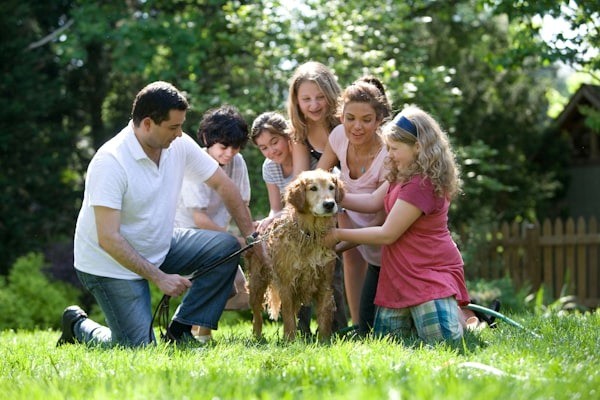
I sat down last weekend with a spreadsheet, two kids lobbying for a golden retriever, and a bank account that disagreed.
That tension between want and reality is where Australian families get stuck. We fall for a breed on Instagram, skip the budget maths, and then get hit by vet bills, council fines, or a dog that struggles through every hot spell.
After coaching dozens of families through the decision, one point keeps proving true. The right dog is not the one in the cutest photo. It is the one that fits your time, space, children’s ages, and budget for the next ten to fifteen years.
Cost-of-living pressure makes early choices matter more than ever. Size, coat type, snout shape, and source can change lifetime costs by thousands and affect how well a dog handles Australian heat and your family routine. If you are in Victoria and leaning toward a small, low-shedding companion, you can start by looking at Cavoodle litters from a registered breeder and use any listing as a starting point to check DNA tests, health clearances, and meet-the-parents policies before you commit.
A sensible choice gets easier when you break the decision into fit, health, legal checks, and long-term costs. That order keeps emotion in the mix, but stops it from running the whole process.
Key Takeaways
Choose the dog that suits your time, space, climate, and budget, and the rest of the decision gets much easier.
- First-year costs can average around $4,000. Ongoing annual costs can reach roughly $2,520, depending on size, coat care, training, and boarding. Build a buffer for emergencies and inflation.
- Registration and microchipping are legal must-dos nationwide. In NSW, microchip and lifetime registration are due by twelve weeks. In Victoria, dogs must be microchipped before first council registration.
- Health drives cost. Brachycephalic, or flat-faced, breeds face higher airway and heat risks, which can lead to higher vet bills. Welfare-led breeding and health screening matter.
- Adoption can lower first-year spend. Rescue dogs often come with desexing, a microchip, and first vaccinations included, which cuts upfront costs.
- Pet insurance varies widely. Compare features, exclusions, waiting periods, annual limits, and out-of-pocket costs before you buy. CHOICE reviews policies across roughly fifty features.
- Plan for the whole lifecycle. Include training, grooming, boarding, and end-of-life costs so hard moments are not made worse by financial surprises.
What Does “Right Family Dog” Mean for Australian Households?
The right dog is the one your household can handle every day, not just on weekends.
When families reach the shortlisting stage, it helps to test one concrete example rather than debating abstract labels for weeks, and a Victorian household comparing coat care, size, heat tolerance, kid fit, breeder transparency, and long-term costs can use one realistic option to turn vague preferences into checks you can verify. From there, you can find cavoodle puppies for sale in Melbourne and use any listing as a starting point to check DNA tests, health clearances, and meet-the-parents policies.
Start with a Family Fit Profile. Audit your hours at home on a normal weekday, your yard and fencing, your nearest walking areas, and your local climate. Then add grooming tolerance, allergy concerns, children’s ages, and honest budget limits for year one and for each year after that.
A practical profile is specific. “Friendly and cute” tells you nothing. “Can cope with warm weather, needs no more than sixty minutes of exercise a day, and cannot have a coat that mats easily” gives you useful filters.
This is where families save themselves from mismatches. A couple in a small rental with two children under six needs a different dog from a family with a large yard and one parent home most days. Even within the same breed group, energy level, size, coat, and handling sensitivity can vary enough to change the outcome.
Your final profile should fit on one page and include deal-breakers. Write down limits such as no heavy shedding, no giant breeds, no strong jumping, or no dogs that struggle in heat. Add kid-specific limits too. Toddlers need a patient dog that handles noise and clumsy touch, while teenagers may be able to manage a more active dog with regular training.
3 Big Benefits of a Fit-First Choice
A fit-first choice saves money, reduces health risk, and makes life at home much calmer.
Matching a dog to real life is not just sensible. It creates measurable gains across cost, welfare, and behaviour.
1. Lower Lifetime Costs
Size and coat type shape recurring spend on food, grooming, and parasite control. RSPCA NSW estimates first-year costs between $1,979 and $3,001, with ongoing minimums of $1,260 to $1,870 annually. MoneySmart’s breakdown shows average yearly spend includes roughly $1,214 on food, $354 on vet services, and $353 on grooming and training.
Those averages hide big differences. A small short-coated dog usually eats less and may need only basic brushing, while a large dog or curly-coated dog can cost far more every month. Pick a dog that matches your budget, not the version of your budget you hope will appear later.
2. Fewer Welfare Headaches
Choosing away from exaggerated features lowers the chance of chronic health problems. RSPCA Australia notes that even after corrective surgery, around sixty percent of brachycephalic dogs may still have compromised breathing. The AVA and RSPCA jointly run the “Love is Blind” campaign to help families put welfare ahead of extreme looks.
That matters in Australia, where heat is a real test, not a minor inconvenience. A dog that already struggles to breathe in mild weather may have a much harder time in summer, during exercise, or on long car trips. Welfare-friendly choices reduce both vet stress and day-to-day management.
3. Happier Home, Fewer Behaviour Costs
A dog whose exercise needs and temperament match your routine is less likely to become destructive, noisy, or impossible to settle. That means fewer trainer callouts, fewer neighbour complaints, and a far lower risk of rehoming.
One common mistake is assuming a yard solves everything. It does not. A bored, smart dog can spend all day outside and still dig, bark, or chew because it lacks walks, training, and mental work. Fit-first choices protect your time as much as your bank account.
What to Evaluate So You Choose Right the First Time
A short, repeatable screening process prevents expensive mistakes.
Good intentions are not enough. Families do better when they use the same checks for every breed, crossbreed, or rescue candidate.
Build a Structured Shortlist
Start with types rather than specific breeds. Think small low-shedding companion, mid-size active dog, or large calm dog. Then score three to five candidates against your Fit Profile for exercise, coat care, trainability, heat tolerance, noise level, and likely adult size.
A simple one-to-five scoring grid works well. It forces trade-offs into the open. A breed may score well for friendliness but poorly for heat tolerance or grooming, which tells you more than a social media highlight reel ever will.

Try Before You Buy
Book meet-and-greets at shelters, attend breed club open days, or foster short term if you can. Watch how the dog settles after excitement, how it responds to handling, and whether it can relax around children, noise, and normal household movement.
If you think one visit is enough, push back on that idea. Puppies and rescue dogs can both look calm for twenty minutes in a new place. A second visit, a walk outside, or a short trial period gives you a much clearer picture.
Compare Your Sources
The source shapes the paperwork, the support, and the health history you receive.
| Source | Typical Inclusions | Key Checks
|
|---|---|---|
| Rescue or shelter | Desexing, microchip, first vaccinations | Behaviour notes, trial period, post-adoption support |
| Registered breeder | Parent health tests, vet records, microchip | Hip/elbow/eye scores, breed-specific DNA, breeder ID |
| Pet shop or online ad | Varies widely | Verify microchip number, breeder ID, avoid multi-litter sellers |
Rescue and breeder routes can both work well, but they solve different problems. Adoption may lower first-year costs because desexing and vaccinations are already done. A careful breeder can give you stronger early health history and clearer information about the parents. What matters is documented proof, not promises.
Ask the Essential Questions
Ask for documents, not reassurance. Request parent health certificates, the puppy’s microchip number, vaccination records, worming schedule, feeding details, and a written outline of early socialisation from weeks three to twelve.
For crossbreeds such as Cavoodles, ask about the specific risks in both parent lines. That includes mitral valve disease, or MVD, checks for Cavalier lines and progressive retinal atrophy, or PRA, DNA results for Poodle lines. If the seller changes the subject, tells you the dog is “healthy because it is a cross,” or will not show paperwork, walk away.
Watch for Vet-Led Red Flags
Pinched nostrils, bulging eyes, obvious snorting at rest, or poor movement are not quirks. They are warning signs that can mean lifelong management and higher costs. Flat-faced dogs that pant hard in cool weather or seem tired after a short play session deserve extra caution.
Build a pre-purchase vet check into the plan. It costs far less than treating avoidable issues later. Ask the vet to focus on airway, eyes, teeth alignment, joints, and overall body condition. If a seller refuses an independent vet check, that refusal is useful information.
Build Your Budget Planner
Lock in first-year and annual figures before you pay a deposit. First-year items include the purchase or adoption fee, microchip and council registration, desexing, vaccinations, parasite prevention, crate, bedding, collar, lead, food, toys, and puppy school. MoneySmart puts average first-year spend at around $4,000.
Then add the costs families forget. Those include grooming every six to eight weeks for some coats, replacing chewed gear, refresher training, boarding during school holidays, and time-saving services such as dog walking if your work pattern changes. A realistic budget should survive a busy month, not just a calm one.
It also helps to think about the last stage of life early, even though it feels uncomfortable. End-of-life planning belongs in a realistic lifetime budget, because location, timing, home visits, aftercare, and the level of support offered can all change the final amount on a difficult day. To budget realistically for the end of the journey, you can find out the cost to put down a dog on a vet pricing page and note what is included, whether in-home or in clinic, and what aftercare options are offered. A modest contingency now prevents a painful money decision later.
Where to Find Your Dog in Australia and How to Verify
Your source matters as much as the breed because paperwork, health history, and support vary widely.
Knowing where to look, and what to check before you pay, protects you from scams and heartbreak.

Rescue and Shelters
Start with adoption. You will often save on first-year vet work because desexing, microchipping, and vaccinations are usually bundled. Use national platforms and your state RSPCA to browse dogs from multiple shelters, then ask about trial periods, medical history, and post-adoption behaviour support.
If you worry that a rescue dog comes with an unknown past, ask for foster notes and settle-in guidance. Good rescues will tell you what they know, what they do not know, and how they can support the first few weeks.
Registered Breed Clubs and Dogs Australia
If you want a purebred, work with breeders who follow Dogs Australia codes and provide health tests matched to known breed risks. Contact your state breed club, attend shows or open days, and ask to see certificates rather than hearing verbal assurances.
Meeting at the breeder’s property matters too. You should be able to see how the puppies are raised, how the mother behaves, and whether the environment is clean, calm, and social. Good breeders welcome thoughtful questions because careful buyers are usually easier owners to work with.
Verify Legally Before You Pay
Check the legal basics before any money changes hands. In Victoria, dogs must be microchipped before first council registration, and all dogs aged three months and over must be registered. In NSW, microchipping and lifetime registration on the NSW Pet Registry are required by twelve weeks of age or before sale.
Always sight the microchip number, confirm the seller’s details, and verify registration status through the relevant state system where possible. A seller who says they will “sort the paperwork later” is asking you to take the risk they should be carrying.
Avoid Online Scams and Puppy Farms
High-pressure sales, multiple litters from several breeds, refusal of property visits, and missing health documents are classic red flags. So are requests for large deposits before you have seen the dog, spoken live, or verified the microchip.
Walk away when the story does not add up. Report serious concerns to your state RSPCA or the relevant authority. Losing a puppy you liked on paper is far better than funding poor welfare and inheriting a long list of preventable problems.
How to Budget and Track Dog Ownership Costs from Year One to Year Fifteen
A realistic dog budget works best when you treat care costs as monthly bills, not occasional surprises.
A dog can be with your family for more than a decade. That makes budgeting a management habit, not a one-off spreadsheet.

Set a Baseline Budget
Turn your estimates into a monthly sinking fund, which is a savings pot for planned expenses. Spread annual items such as routine vet visits, parasite control, registration, grooming, and boarding across twelve months so the cash flow feels steady.
Track actual spending against that baseline every quarter. Food costs rise as a puppy grows, grooming needs may be higher than expected, and training may cost more early but save money later.
Get Quotes and Bundle Care
Prices vary by clinic and region, so get at least three quotes for desexing, vaccinations, and dental work. Ask whether the clinic offers wellness bundles, staged payment plans, or lower-cost times for routine procedures.
This step matters more than families expect. Two nearby clinics can charge very different rates for the same routine care, and those differences add up over years.
Plan for the Unexpected
Keep an emergency buffer equal to at least one major procedure in your area. If you are considering insurance, compare policies carefully. CHOICE evaluates pet insurance across around fifty features, which highlights just how much cover, annual limits, exclusions, and out-of-pocket costs can differ.
If you choose not to insure, be deliberate about self-funding. That means a larger emergency savings target and consistent preventive care so problems are found earlier, when treatment is usually simpler and cheaper.
Factor In Travel and Boarding
School holiday care books fast and usually costs more. RSPCA Queensland publishes per-night boarding fees that can help you benchmark local pricing. Compare kennels, in-home sitters, and family help early, and note any extra charges by size, medication needs, or peak season.
Ask about vaccination requirements, trial stays, and pickup times before you need the service. The cheapest option is not always the easiest if it creates stress for the dog or your schedule.
Revisit the Plan as Your Dog Ages
Costs change across life stages. Puppies need setup gear and training. Adult dogs may need stable routine care. Senior dogs can need more frequent vet checks, supplements, blood work, dental care, or help with mobility.
Review the budget every year and after major life changes such as moving house, changing jobs, or having another child. A good dog budget adapts before pressure builds, not after.
Make a Fit-First Choice You Can Afford
The best family dog is the one you can care for well in year ten, not just afford in week one.
With 31.6 million pets across seventy-three percent of Australian households, dog ownership is common even during cost-of-living pressure. The families who cope best are the ones who choose with both head and heart.
Use a Fit Profile to shortlist honestly. Verify health paperwork and legal compliance before you pay a deposit. Then set a budget that covers year one, normal annual care, emergencies, and the last stage of life.
A welfare-friendly, legally compliant, budget-fit dog gives your family a far better chance of ten or more years of steady companionship instead of repeated stress. Start the scorecard this weekend, and you will make the decision with much more confidence.
Frequently Asked Questions
These quick answers cover the questions families ask most before they bring a dog home.
What Is the Cheapest Type of Family Dog to Own in Australia?
Smaller, short-coated dogs usually cost less to feed and groom over their lifetime. Adoption can reduce upfront spend because key vet work is often included. The catch is that purchase price alone tells you very little, because a cheap puppy with chronic health problems can become the most expensive dog you ever own.
Are Cavoodles Good With Kids?
Many Cavoodles are affectionate and trainable companions. However, as a cross between a Cavalier King Charles Spaniel and a Poodle, temperament, coat care, and adult size can vary. Meet the parents where possible, ask for heart checks on Cavalier lines and PRA DNA results on Poodle lines, and make sure the energy level suits your home.
What Are My Legal Obligations After I Bring a Dog Home?
Microchipping and council registration are mandatory nationwide, although timing and fees vary by state and territory. Keep your contact details current on the registry, renew registration as required, attach any required tags, and follow local leash laws and limits on the number of dogs per property.
Do I Need Pet Insurance for My Dog?
Pet insurance is optional in Australia. If you buy a policy, compare exclusions, waiting periods, annual limits, sub-limits, and the share you still pay yourself. If you skip insurance, build a larger emergency fund and stay consistent with preventive care.
How Much Exercise Do Family Dogs Typically Need?
Most healthy dogs need both physical exercise and mental activity every day, but the amount depends on breed type, age, and health. Many small companions do well with two twenty-minute walks and play at home, while athletic dogs may need sixty to ninety minutes plus training or enrichment. Match that need to your real schedule, not your ideal one.
What Should I Expect for End-of-Life Decisions and Costs?
Speak with your vet early about quality-of-life markers and the options in your area, whether that is an in-clinic visit or at-home care. Ask what the fee includes, whether aftercare is separate, and how quickly services can be arranged. Having a plan does not make the decision easier, but it can make a hard day less chaotic.