Brisbane southside operators managing franchised premises, multi-tenant retail, or commercial yards face a recurring property cost every wet season and every fit-out cycle. Trees on the property need pruning, removal, or emergency response, and the choice of vendor shapes both the safety record and the operating bill. Franchise owners juggling two or three sites usually feel the cost squeeze before single-site operators do.
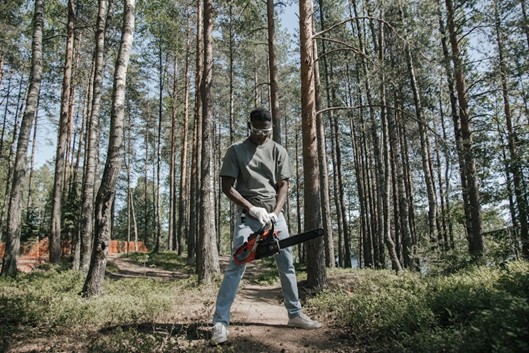
Operators searching for a Brisbane southside vendor with commercial experience often start with licensed family-owned operators. The TreeSafe team offers tree removal brisbane southside services with over 20 years of local experience. The crew covers removal, pruning, stump grinding, and land clearing across Brisbane’s southern suburbs, the Gold Coast, and surrounding areas. The licensed and insured crew base lets a franchise operator engage a single vendor across multiple sites.
Why Does the Tree Removal Vendor Choice Matter More for Franchise Operators?
Brisbane’s climate, soil patterns, and council overlays shape what every callout actually looks like. A franchise operator who picks the wrong vendor often discovers the gap during the first wet-season callout. The right operator is on site within 24 hours.
Brisbane southside sits in a subtropical zone with regular storm activity from October through April. The combination of intense rain bursts and clay-loam soil weakens root systems faster than dry-climate properties. A vendor familiar with the local soil profile spots root-zone problems before they topple a 15-metre eucalypt onto the building.
Council overlay layers on top. Properties inside vegetation protection or koala habitat zones require specific approvals before removal, and the vendor handles the application. A vendor without local council experience usually stalls the work for weeks waiting on paperwork.
Franchise sites also face the unique problem of split decision authority between operator and landlord. A vendor documenting recommendations clearly makes the decision move forward rather than stalling in lease negotiation.
What Should Brisbane Southside Operators Verify Before Engaging a Vendor?
Six criteria belong on every operator shortlist:
| Criterion | Why It Matters | What to Confirm |
| AQF Level 3 qualification | Technical competence | Documented arborist certification |
| Public liability cover | Risk protection | 10 million AUD policy minimum |
| Workers compensation | Crew safety | Active Queensland cover with current premium |
| Council approval handling | Regulatory compliance | Brisbane City Council track record |
| Equipment fleet scope | Job-size fit | Cherry picker, chipper, stump grinder in-house |
| Emergency callout window | Storm-season reliability | 24-hour response commitment |
A vendor that gives clear answers across these six points signals a partner worth retaining. A vendor that deflects on any signals friction ahead. Queensland’s workers compensation page sets out the cover every vendor crew operator must hold for staff on the site.
Which Property Types Reward a Specialist Tree Removal Vendor Most?
Three Brisbane southside property categories consistently extract the most value from a single trusted vendor. The pattern shows up across both inner-southside and outer rural-fringe sites.
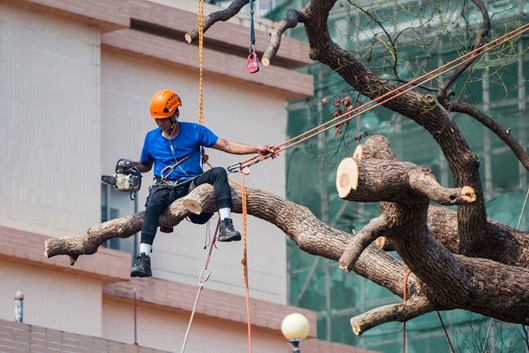
Multi-tenant retail strips with mature trees face liability exposure that a casual tree contractor rarely understands. A specialist vendor documents tree health on a defensible schedule, which reduces both insurance premiums and tenant disputes. Coverage of the pros and cons of bringing an investor to your business reminds readers that operator decisions usually compound across years of property holding.
Rural-fringe properties on Brisbane’s southern boundary often carry tree stands close to fence lines and outbuildings. A storm that brings down a 30-metre eucalypt usually damages something expensive. The vendor who knows the species and pre-storm conditions can flag at-risk trees before the storm. The Queensland Government’s emergency services and safety hub sets out the broader storm-season framework.
Body corporate strata buildings face the unique problem of shared trees crossing lot boundaries. A specialist vendor with experience presenting recommendations at body corporate meetings makes those decisions move forward rather than stalling between annual general meetings.
What Errors Surface When Operators Pick a Tree Removal Vendor Quickly?
Several errors recur:
- Choosing on price alone while ignoring AQF qualification and insurance verification
- Skipping the council approval check for trees inside protected vegetation overlays
- Underestimating equipment fit when the job requires a cherry picker the vendor does not own
- Forgetting the stump removal step so the property still trips an insurance survey
- Treating emergency callout as marketing only rather than verifying actual response capacity
Coverage of the quickest way to expand market share reminds readers that growth-stage operators often face vendor-quality decisions across multiple sites simultaneously. The same vetting discipline scales across both topics.
Quick Reference: Vendor Job Types and Typical Day Rates
| Job Type | Crew Size | Equipment | AUD Cost Range |
| Single tree pruning | 2 to 3 | Chainsaw, climbing rope | 350 to 850 |
| Single tree removal | 3 to 4 | Cherry picker, chipper | 800 to 2,400 |
| Stump grinding | 1 to 2 | Stump grinder | 180 to 650 |
| Storm emergency callout | 3 to 5 | Full kit, after hours | 950 to 3,800 |
| Land clearing per acre | 4 to 6 | Excavator, chipper | 3,500 to 9,500 |
Pre-Engagement Checklist for Brisbane Southside Operators
- Confirm AQF Level 3 qualification by certificate number
- Verify public liability cover at 10 million AUD minimum
- Request the Brisbane City Council approval track record
- Ask for the equipment list before agreeing on scope
- Lock the emergency callout window in writing
- Set up a documentation schedule for tree health across the portfolio
The Honest Answer for Brisbane Southside Operators
The vendor decision rewards franchise operators who plan rather than improvise. A multi-site operator who runs the six-criteria shortlist once usually keeps the same vendor across multiple wet seasons. The continuity matters because the vendor builds tree-by-tree history that improves diagnosis accuracy each year.
A specialist vendor saves time and liability risk across the portfolio life cycle. The right partner handles emergency work, scheduled pruning, council applications, and documentation as a coordinated workflow rather than separate transactions across each site.
Frequently Asked Questions
How Much Does Tree Removal Typically Cost on Brisbane Southside?
Most Brisbane southside tree removal callouts run 800 to 2,400 AUD for a standard half-day job on a single tree. Large removal work with a cherry picker and chipper sits in the 1,800 to 4,800 AUD range. Annual maintenance contracts for multi-site operators often run 8,000 to 24,000 AUD depending on tree count and complexity.
Does Brisbane City Council Require Approval for Tree Removal?
Yes, in many cases. Trees inside vegetation protection overlays, koala habitat zones, and certain heritage areas require council approval before removal. The vendor usually handles the application process. Removing protected trees without approval brings fines from 2,500 AUD upward.
What Should Operators Do After a Storm Drops a Tree?
Call the vendor’s emergency line first, confirm site safety, and avoid touching the tree if power lines are involved. The vendor coordinates removal, debris cleanup, and insurance documentation. Most insurance claims require an arborist report within 72 hours of the incident.
Can a Single Vendor Handle Multiple Brisbane Southside Sites?
Yes. A full-service Queensland tree removal vendor typically handles multi-site operators as a single account. Splitting work across separate contractors usually doubles coordination cost and reduces the documentation quality available for insurance review.