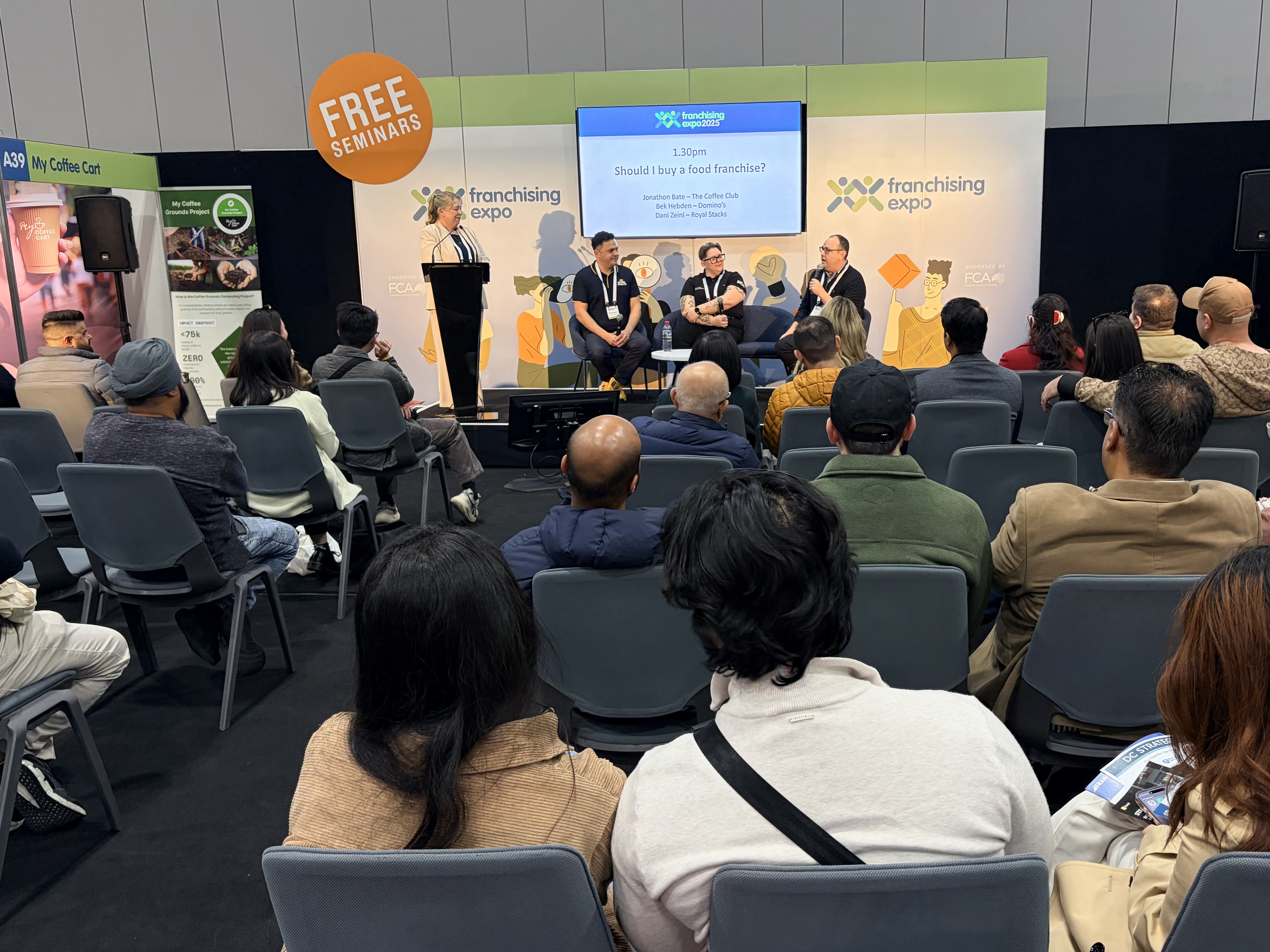
With more than 2.7 million businesses operating in Australia, and 97 per cent classified as small businesses, franchising has long been celebrated as the pathway into entrepreneurship. It offers the perfect middle ground: the autonomy of running your own show, backed by the safety net of an established, reputable business network.
However, the landscape is shifting rapidly. With more than 1,200 franchise systems now operating nationwide, the market has become highly saturated. Attracting high-quality, long-term franchise partners is fiercer than ever before, forcing businesses to completely rethink how they recruit, scale, and sustain their networks.
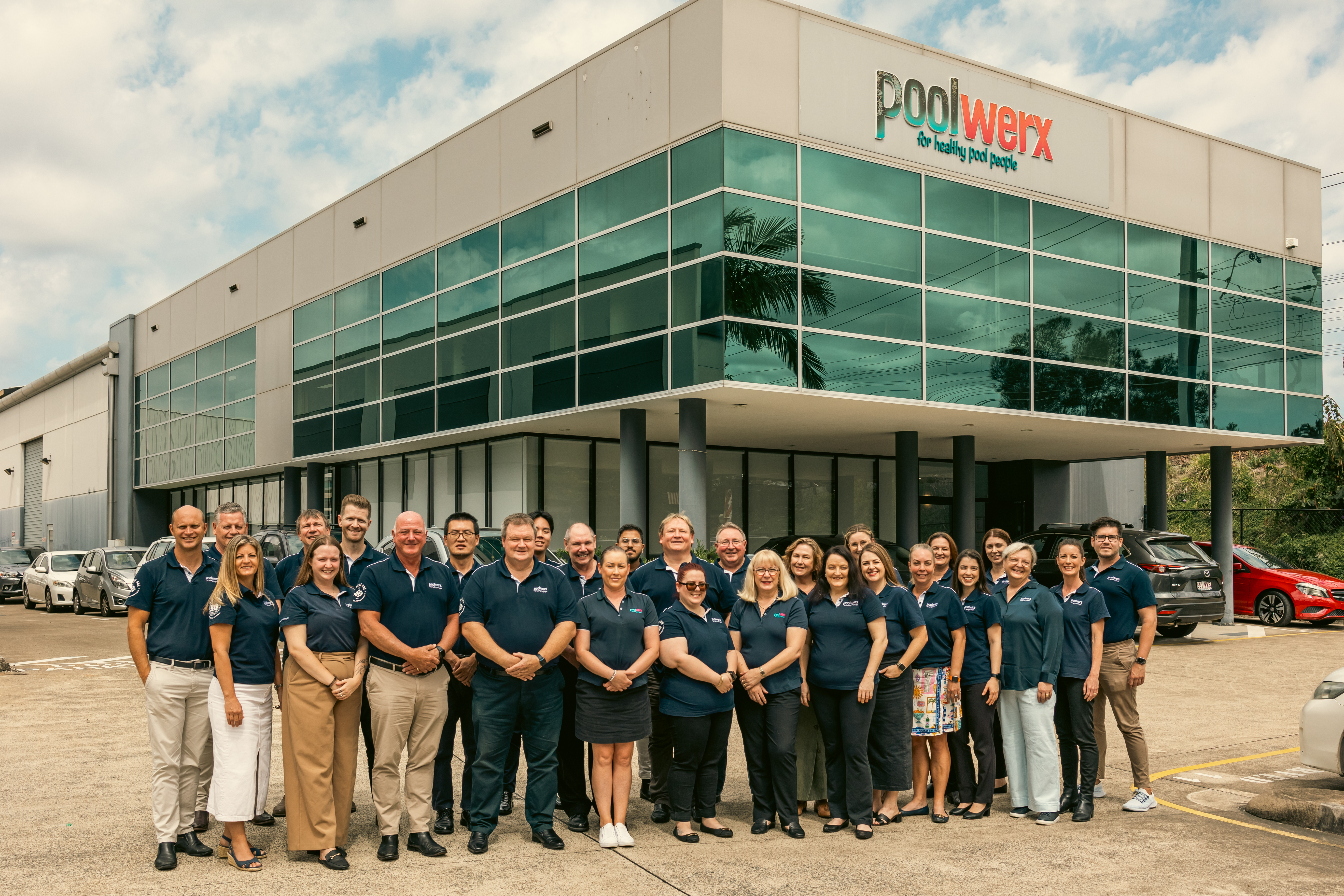
One business leading this evolution is Poolwerx, Australia’s largest pool and spa maintenance network. Rather than chasing rapid expansion and inflated territory numbers, the healthy pool care business is taking a highly strategic, data-led approach to network growth.
Andrew Walker, Chief of Franchise Development at Poolwerx, believes the industry is moving away from the volume game towards a model where strategic recruitment directly drives stronger network performance.
The Illusion of Rapid Growth
In the early stages of franchising, success is often measured by the speed of expansion. A rapidly growing footprint looks impressive on a corporate prospectus, but Walker warns that growing too fast without the right foundation is a dangerous trap.
"It’s easy to sell a territory to someone who has the capital, but if they don’t have the alignment of values or a long-term commitment, you’re just inheriting a future problem," Walker says. "Rapid expansion without rigorous vetting leads to high churn, brand dilution, and ultimately, a fractured network."
In a highly competitive landscape, the race for high-quality operators is tight. The modern franchise partner is savvier, performs deeper due diligence, and looks for franchise networks that offer genuine, sustainable partnerships rather than just a transaction.
The Data Behind the Search: The Recruitment Pipeline
To find the right partners, Poolwerx approaches recruitment as a highly calculated, multi-stage process rather than a sales pitch. It requires patience, transparency, and a reliance on data.
To illustrate just how selective the process has become, with deep-dive discovery and due diligence stage. Ultimately, only two to three per cent of all applicants transition into becoming Poolwerx franchise partners.
According to Walker, the journey from a candidate’s initial enquiry to officially signing the franchise agreement typically takes between three and six months.
"If someone wants to buy a business in two weeks, that’s an immediate red flag for us," Walker explains. "A 90-to-180-day timeline allows both parties to perform thorough due diligence. It ensures the candidate fully understands the day-to-day operational realities, and it gives us the time to assess how they handle challenges, take feedback, and collaborate."
Why Smarter Vetting Equals Stronger Networks
Prioritising quality over quantity isn't just a philosophical choice; it’s a financial one. Investing heavily in the front end of the recruitment process pays massive dividends in the long run.
Franchise networks that adopt a rigorous, data-led recruitment model see significant benefits across three key areas. Firstly, it drives higher performance. Franchise partners who are genuinely aligned with the network's operational model hit the ground running, achieving profitability much faster than those who simply bought into a job.
Secondly, it leads to stronger retention. When expectations are managed transparently during a six-month recruitment process, there are no surprises. Franchise partners stay in the network longer, often scaling from single-unit to multi-unit operators.
Finally, it protects brand equity. A single underperforming or culturally misaligned franchise partner can damage the reputation of the entire business. Smarter vetting acts as a shield for the network's collective reputation.
The Future of Franchising
As Australia’s small business sector continues to grow, the power dynamic in franchising is shifting. The brands that survive and thrive over the next decade won't be the ones that boast the most rapid growth, but those that are resilient, highly engaged, and sustainable networks.
For Poolwerx, the blueprint is clear: slow down the recruitment process, rely on the data, and protect the collaborative culture of the network.
"Our goal isn't to be the biggest just for the sake of it," concludes Walker. "Our goal is to ensure that every single person who joins the Poolwerx family is set up to build a highly successful, profitable, and fulfilling long-term business. In today’s competitive market, patience isn’t just a virtue; it’s a genuine competitive advantage."
Founded in 1992, Poolwerx is the world’s largest franchise network in pool and spa maintenance, providing expert services in water testing, cleaning, maintenance, equipment installation, and water balancing for residential and commercial clients. Headquartered in Brisbane, Australia, Poolwerx operates across Australia, New Zealand, and the United States, with a global network of 185 retail stores, 700 service vehicles, and 350 territories.
For more information, visit www.poolwerx.com.au