For Australian businesses operating in large commercial spaces, choosing the right climate control solution is essential.
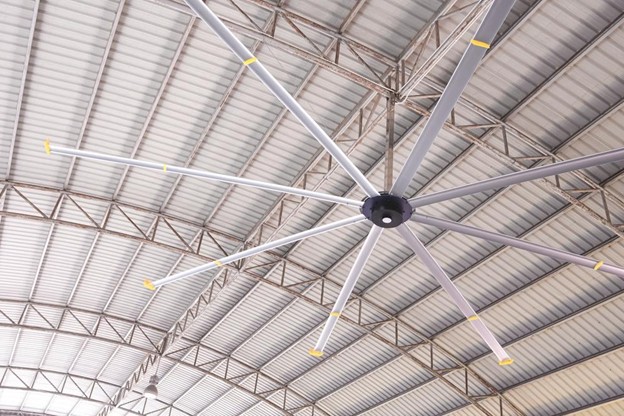
Many companies are discovering that industrial ceiling fans in Australia offer a cost-effective and efficient alternative to traditional air conditioning. From cooling big fans in warehouses to circulating air in factories, these systems are transforming how businesses manage indoor comfort while reducing energy costs.
This article explores why Australian businesses are increasingly turning to industrial ceiling fans instead of relying solely on air conditioning.
1. Cost-Effective Cooling for Large Spaces
Air conditioning large areas such as warehouses, factories, and distribution centres can be prohibitively expensive due to high installation and energy costs. Industrial ceiling fans provide an economical alternative by circulating air effectively across vast spaces, reducing the perceived temperature and complementing existing cooling systems without the same energy demands.
2. Energy Efficiency and Sustainability
Electricity costs are a significant expense for Australian businesses. Industrial fans use far less power than air conditioning systems, making them an environmentally friendly choice. By lowering energy consumption, companies can reduce their carbon footprint while maintaining comfortable working conditions. This is especially important for businesses looking to meet sustainability goals or improve their ESG (Environmental, Social, Governance) credentials.
3. Improved Air Circulation
In warehouses and large commercial buildings, stagnant air can lead to discomfort and even health concerns for employees. Big industrial fans move large volumes of air, preventing hot spots and ensuring consistent airflow. This circulation also helps disperse humidity, reducing the risk of mould, dampness, or heat-related fatigue.
4. Low Maintenance and Longevity
Compared to complex air conditioning systems, industrial ceiling fans require minimal maintenance. They have fewer components prone to failure, which reduces downtime and repair costs. Australian businesses, particularly those in logistics and manufacturing, value these fans for their durability and long service life under demanding conditions.
5. Complementary to Air Conditioning
Many businesses don’t completely eliminate air conditioning but use industrial fans to complement it. Fans help distribute cool air more evenly, allowing AC units to run at lower intensities. This combination reduces energy consumption and improves comfort across large areas.
6. Noise and Comfort Considerations
Modern industrial ceiling fans are designed to operate quietly, even in large spaces. Unlike some air conditioning units that create uneven cooling or require loud compressors, industrial fans provide a steady and gentle airflow, enhancing employee comfort without adding disruptive noise.
7. Flexibility in Installation
Industrial fans can be installed in a variety of spaces, from warehouses and factories to gyms and retail stores. Their design accommodates high ceilings, open layouts, and even partially covered areas, making them a versatile solution for diverse business needs.
Final Thoughts
For Australian businesses looking to balance comfort, efficiency, and cost, industrial ceiling fans in Australia offer a compelling alternative to traditional air conditioning. Whether cooling big fans in a warehouse, circulating air in manufacturing facilities, or supporting energy-efficient strategies, these systems deliver reliable performance, low maintenance, and long-term savings.
In a commercial landscape where operational costs and sustainability are top priorities, industrial ceiling fans are proving to be a smart investment for businesses across Australia.