Australia’s quick service restaurant sector continues to evolve, driven by shifting consumer expectations, digital engagement and the increasing sophistication of franchising as a business model. Within this landscape, two forces are proving particularly influential: the sustained rise of chicken as a preferred protein, and the emergence of multi-brand franchise groups as structured platforms for growth.
Few organisations illustrate this convergence more clearly than Craveable Brands.
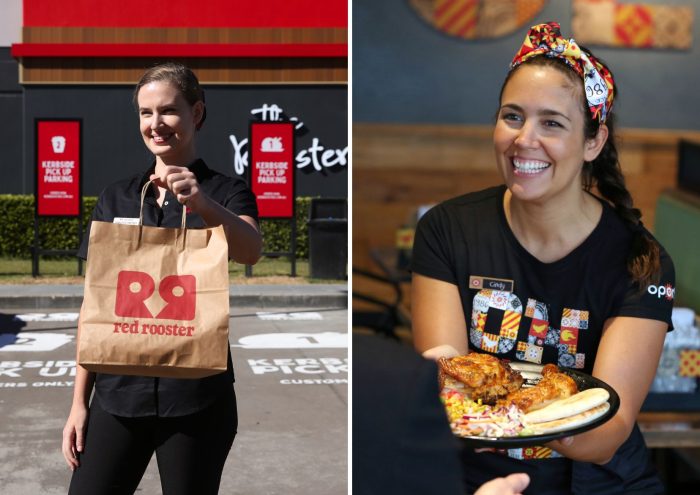
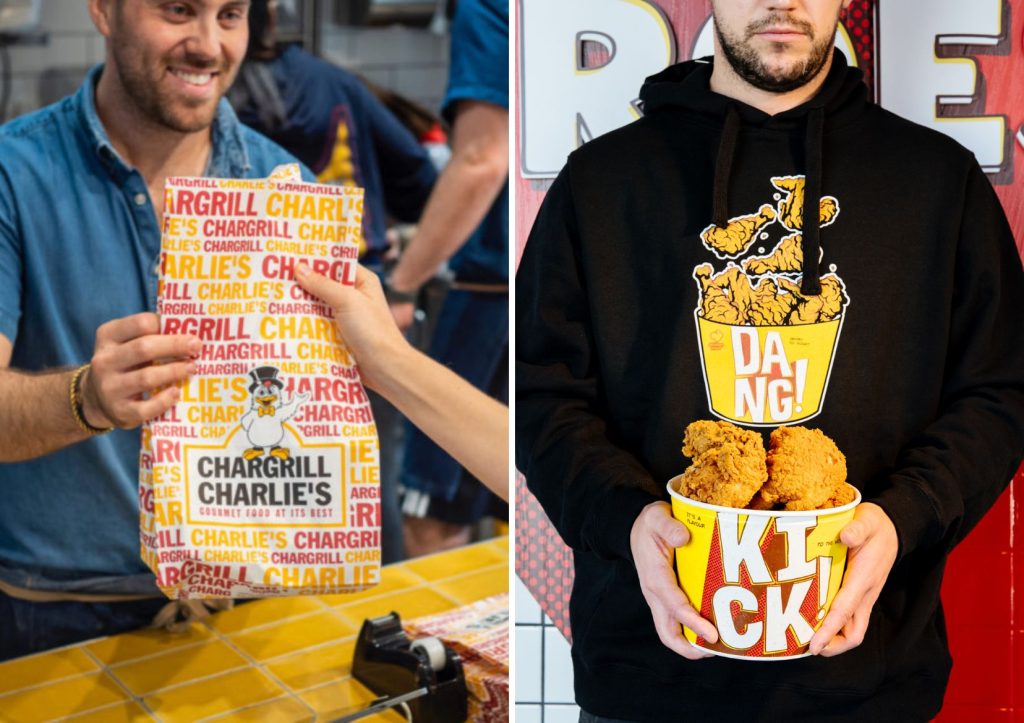
As one of Australia’s leading chicken-focused QSR groups, Craveable Brands brings together Oporto, Red Rooster, Chicken Treat and Chargrill Charlie’s — four distinct brands united by a shared category strength and supported by group-level capability. Together, they represent a significant footprint across metropolitan, suburban and regional markets, serving customers across multiple dining occasions and formats.
Chicken as a Strategic Growth Category
Chicken has become one of the most dynamic and adaptable proteins in Australian QSR. Its broad appeal across demographics and occasions gives brands flexibility in menu design, pricing architecture and format expansion.
At Craveable Brands, this adaptability plays out across four differentiated propositions.
Oporto’s flame-grilled Portuguese-style chicken delivers bold flavour and strong appeal among urban and drive-thru customers seeking a distinctive alternative within the burger category. Red Rooster, one of Australia’s most recognisable chicken brands, continues to anchor itself in family meal occasions and everyday dinner solutions. Chicken Treat maintains deep community roots in Western Australia, combining indulgent favourites with accessible offers. Chargrill Charlie’s occupies a premium neighbourhood position, centred on charcoal chicken and fresh salads.
Each brand serves a different segment of the market. Yet all leverage the inherent strengths of chicken: versatility, familiarity and relevance across dayparts.
This category foundation allows Craveable Brands to innovate within clear parameters. Chicken translates seamlessly across burgers, wraps, bowls, snackable formats and family meals. It supports both value-led offers and premium positioning. For franchise partners, that flexibility enables consistent menu evolution while preserving operational clarity.
As consumer dining behaviours continue to expand across dine-in, takeaway, drive-thru and digital channels, chicken’s adaptability ensures ongoing relevance.
The Power of the Multi-Brand Model
While category strength provides momentum, structure determines how that momentum is scaled.
Craveable Brands operates as a multi-brand platform — a model increasingly aligned with the ambitions of modern franchisees. Rather than expanding a single concept in isolation, the group offers differentiated brands supported by shared expertise and infrastructure.
This approach creates multiple avenues for development. Suburban drive-thru formats, urban takeaway locations and premium neighbourhood stores can all sit within the same portfolio, supported by centralised systems.
For franchisees, this structure offers more than brand recognition. It provides access to group-level investment in supply chain, property development, digital platforms and training — capabilities that underpin sustainable expansion.
Digital engagement is a key example. Loyalty ecosystems, app-based ordering and customer insights are now central to QSR growth. Within a group environment, these capabilities can be developed at scale and leveraged across brands, while each concept maintains its distinct customer proposition.
Importantly, the Craveable Brands model preserves brand clarity. Oporto’s bold, flame-grilled positioning remains distinct from Red Rooster’s family-focused heritage. Chicken Treat’s regional loyalty differs from Chargrill Charlie’s premium neighbourhood appeal. The group structure is designed to strengthen these identities, not dilute them.
This balance — independence at brand level, strength at group level — is central to the platform’s effectiveness.
Growth Through Alignment
The alignment between protein strategy and platform structure is what positions Craveable Brands as a significant force in Australian QSR.
Chicken aligns with consumer demand for versatility and flavour.
A multi-brand platform aligns with franchisee ambitions for progression and portfolio growth.
Together, they create a framework for expansion.
The Australian QSR market remains opportunity-rich. Customers are engaging with brands across multiple touchpoints, from physical stores to digital ecosystems. Franchisees are increasingly seeking structured systems with clear development pathways. In this environment, organisations that combine category relevance with operational scale are well placed to grow.
Craveable Brands’ portfolio demonstrates how differentiated concepts can coexist within a unified growth strategy. Oporto continues to expand its flame-grilled footprint. Red Rooster builds on its national recognition and family positioning. Chicken Treat deepens its presence in Western Australia and beyond. Chargrill Charlie’s extends its premium neighbourhood model.
Underpinning each brand is shared capability — from procurement and logistics to property strategy and digital innovation — designed to support continued development.
The broader lesson for the franchising sector is clear. Growth in QSR is no longer defined solely by store count. It is shaped by category strength, brand clarity and the ability to build platforms that support expansion across formats and regions.
Protein and platform are emerging as complementary engines of that growth.
Through its focused chicken portfolio and structured multi-brand model, Craveable Brands offers a case study in how those engines can work together — combining distinct brand identities with collective capability to shape the next phase of Australian QSR development.