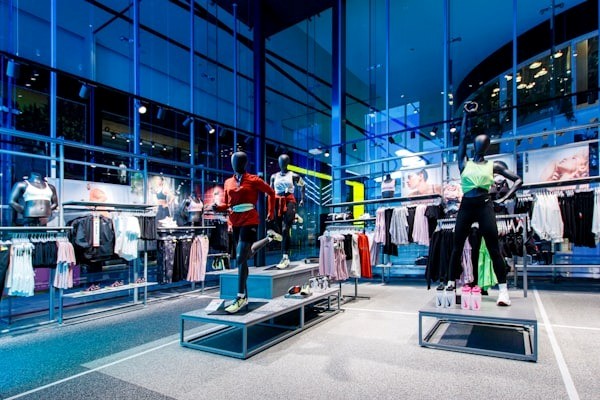
I recently walked through two franchise locations owned by the same operator in suburban Sydney. One had LED lighting, a properly zoned inverter HVAC system, and a freestanding screen on wheels for weekly promotions.
The other still ran halogens, an oversized ducted unit with no schedule, and a wall-mounted TV that had shown the same message for four months.
Same brand, same floor plan. The first store’s energy bill was thirty-eight percent lower, and the team changed campaign signage in under five minutes without calling a contractor.
That gap appears when equipment is treated as an operating system, not a shopping list.
Australian franchise operators are dealing with higher power prices, tighter National Construction Code rules, and customers who expect steady comfort and a clean, current presentation.
Lowest-price decisions can lock in years of higher electricity use, slower campaign changes, extra wall repairs, and more maintenance callouts.
Smarter choices in HVAC, lighting, and display equipment cut waste, protect uptime, and give managers more control over daily trading.
What Counts As Franchise Fit-Out Essentials
Fit-out essentials are the systems that shape energy use, comfort, speed, and compliance every trading day.
They include HVAC and ventilation, lighting layers, digital signage and mounts, refrigeration where needed, point-of-sale and data cabling, shelving, and safety and accessibility features.
Landlord scope and tenant scope must be separated early. A centre may deliver base services to a handover point, but everything inside your tenancy is still yours to size, install, maintain, and document.
Track four practical KPIs from day one: kilowatt-hours per square metre, temperature range by zone, lux, or light level, at key surfaces, and average promotion changeover time. Those numbers show whether the fit-out is helping or getting in the way.
Where Business Efficiency Actually Comes From
Efficiency usually comes from three levers: energy, labour, and uptime.
HVAC and lighting deserve first attention because they drive most utility spend. HVAC can account for up to half of a commercial building’s energy use, and lighting can consume up to forty percent in a poorly designed retail tenancy.
Labour savings matter just as much. Pre-wired fixtures, standard screen mounts, and clear operating schedules reduce contractor visits and stop staff from wasting time on recurring workarounds.
Uptime is the third lever. One failed remote, driver, or controller can create an uncomfortable store or a dead display for days if parts are not standard across the network.
Make-or-Break Decisions For HVAC
HVAC performance is set long before the first grille goes into the ceiling.
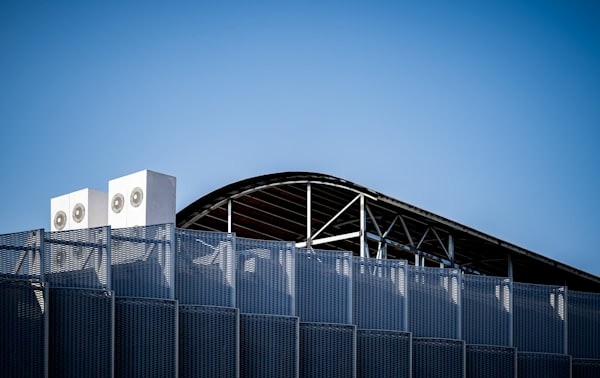
Start with a proper heat-load calculation. Front of house, back of house, kitchens, west-facing glazing, and storage rooms create different loads, and one thermostat cannot manage all of them well. A small store still needs zoning if solar gain or equipment loads vary by area.
Focus on part-load efficiency, not just headline capacity. Inverter compressors and variable-speed fans work well because most stores do not operate at peak load all day. When a fan slows down, power use drops faster than speed, which is where major savings appear.
Controls lock those gains in. Set temperatures, after-hours setbacks, and trading schedules at commissioning, then review data for the first thirty days. Air conditioners above sixty-five kilowatts must meet Greenhouse and Energy Minimum Standards requirements in Australia.
Installation is not enough. Commissioning should confirm airflow, refrigerant charge, balancing, thermostat accuracy, drain performance, and filter access. That checklist protects warranty, reduces first-month callbacks, and gives you a baseline for future service work.
Daikin Air-Conditioning Installation
The right HVAC package only pays off when the installation matches the store’s size, load pattern, and trading hours.
For stores around one hundred and twenty to two hundred square metres, the strongest HVAC return usually comes from a correctly sized inverter system with zoning, clear controls, and documented commissioning that fits the different heat loads in the kitchen, front counter, and back room. When those decisions need to match franchise specifications and warranty expectations, Savage Air offers a practical path through Daikin air conditioning installation to align equipment choice, install quality, and support.
Warranty details need the same attention. Daikin Australia offers different terms across domestic and commercial products, so confirm which category your job falls under before you sign. That step matters if the site has long trading hours, kitchen heat, or landlord controls that affect access and service timing.
Ask for service level agreements, or SLAs, that spell out response times, planned maintenance visits, and who owns defects during the early trading period. Good hardware without clear support still leaves you exposed to comfort complaints and lost trade.
Lighting That Pays Back Fast
Lighting is usually the quickest efficiency win in a franchise tenancy.
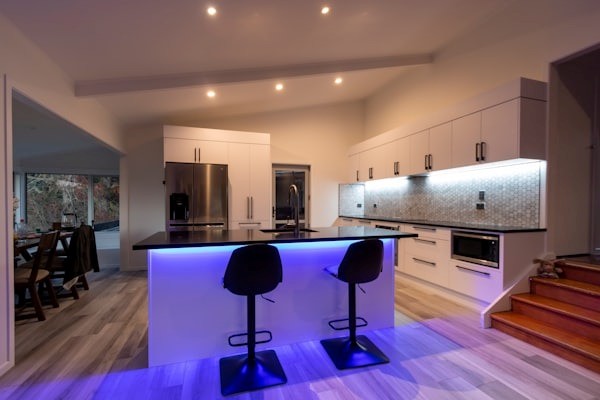
LEDs use about seventy-five percent less energy than halogens and last far longer, which cuts both power use and replacement labour. That matters even more now that Australia is phasing out mains-voltage halogen and tungsten lamps over five years from October 2025.
Start with the basics. Aim for around three hundred to four hundred lux in front of house, then add task and accent lighting where products need emphasis. Good colour rendering also matters because flat, harsh light can make stock look dull and staff look tired.
Tighten the controls as well. Back rooms benefit from occupancy sensors, and shopfront zones benefit from timers or daylight sensors. NCC energy rules have cut allowable lighting power density by roughly sixty percent compared with NCC 2016, so efficient fittings and smart controls now work together, not separately.
A simple payback case is easy to model. Replacing halogen downlights in a one-hundred-and-fifty-square-metre shop with LEDs, using small business power prices around twenty-seven to thirty cents per kilowatt-hour, usually returns the spend within twelve to eighteen months before maintenance savings are counted.
If you use NABERS Retail ratings across your network, lighting upgrades are easy to verify because the savings show up quickly in meter data and maintenance logs.
Mobile TV Stand With Wheels
Display hardware should make weekly campaigns easier, not harder.
Fixed wall screens can be useful, but they create sunk costs. Every move can trigger a contractor call, wall repairs, new penetrations, and landlord approval. In a leased shop, that also increases make-good work when the tenancy ends.
A freestanding stand with lockable castors is more agile. It should include cable management, a weight rating above the screen load, and a VESA mount, which is the standard hole pattern used on most commercial displays. Position it outside door swings and accessible paths, and secure power leads to remove trip risks.
It also gives operators better testing options. You can trial one message near the entrance for a week, then move the same screen deeper into the store and compare attention, dwell time, or attachment sales without changing the fixture package.
When weekly campaigns change and pop-up activations need quick resets, the most useful display hardware is the kind one staff member can move safely without drilling, wall repairs, or extra landlord approvals, while still keeping aisles clear with lockable castors and tidy cable management. For that reason, Retail Display Direct provides a strong option through a mobile TV stand on wheels when operators want to test which screen position converts best.
How To Buy Smart Using Total Cost Of Ownership
Smart purchasing starts with a five-year total cost of ownership model.
Compare purchase, install, power use, service, downtime, and disposal on the same sheet. That mirrors the whole-of-life value approach used in Commonwealth Procurement Rules for public buying, and the logic works just as well for private franchise networks.
Get at least two like-for-like quotes. Penalise bids that exclude commissioning, omit warranty labour, or stay vague on accessories and controls. Record serial numbers, manuals, and maintenance intervals in one asset register at handover.
Standardise SKUs across sites where practical. Common parts shorten install time, simplify spares, and make training easier. If an asset is eligible for the instant asset write-off, the tax benefit improves cash flow, but it should support a good operating decision, not replace one.
Compliance You Cannot Ignore In Australia
Compliance is not a separate workstream. It sits inside every equipment choice.
Accessibility rules matter first. From 29 July 2025, the Premises Standards and the NCC reference AS 1428.1:2021 for access and mobility. Check circulation widths, turning space, counter heights, and display placement before shop drawings are frozen.
Electrical safety follows. AS/NZS 3000, the Wiring Rules, covers safety switches, clearances, testing, and verification. Keep those records with your asset register so maintenance teams and landlords can find them quickly.
Energy rules round out the picture. NCC Section J sets the baseline for lighting density and HVAC controls, while NABERS Retail gives you a credible benchmark for ongoing performance across multiple sites.
Rollout Playbook For Multi-Site Franchises
Multi-site gains come from repeatable standards, not one-off hero projects.
First, build a master specification for HVAC, lighting, and display gear, then pilot it in two stores with different trading patterns. Measure kilowatt-hours per square metre, complaint volume, and promotion changeover time for at least a month.
Next, panel preferred suppliers and publish install and commissioning checklists. Train franchisees and site managers on schedules, setpoints, filter changes, screen safety, and fault reporting so good hardware is not undone by inconsistent operation.
Last, review performance each quarter. Small adjustments to schedules, temperature bands, and lighting scenes can keep stores efficient as seasons, staff habits, and campaign demands change.
FAQ
The right answer usually comes from operating data, not guesswork.
What Budget Should I Expect For An Australian Franchise Fit-Out?
Budgets vary by sector, landlord conditions, and service scope. Retail tenancies can sit around one thousand to three thousand dollars per square metre, while food sites can go much higher because exhaust, plumbing, and refrigeration add cost quickly.
Do I Need An Access Consultant For A Small Tenancy?
If the work involves a new fit-out or a major refurbishment, early access advice is usually worth the fee. One review on your first site can create a repeatable compliance template for later stores and reduce expensive rework.
How Do I Compare HVAC Quotes Fairly?
Ask every bidder for the same four items: a heat-load calculation, a zone layout, a controls plan, and a commissioning scope. Capacity and price alone do not tell you whether the system will hold comfort, control noise, or run efficiently after handover.
Can I Claim The Instant Asset Write-Off On Fit-Out Equipment?
Eligible small businesses can immediately deduct assets under the current threshold if the assets meet ATO rules and are first used by the deadline. Check current guidance and confirm eligibility with your tax adviser before purchase.
Make Your Equipment Work Like A System
A small group of equipment decisions shapes most operating results in a franchise tenancy.
HVAC, lighting, and display hardware influence energy spend, staff time, customer comfort, and store agility every day. When those systems are specified well, commissioned properly, and bought on total cost instead of sticker price, they start returning value from the first week.
The best operators then scale that discipline across every site. That is how fit-out choices stop being isolated purchases and start becoming a reliable business advantage.