A Queensland quick-service restaurant franchise ran a 30-day grand-opening push with 1,000 stainless tumblers, QR-coded coupons, and staff street teams. The store hit break-even two weeks early and kept seeing coupon redemptions for three months.
That result came from a branded item people kept, used, and saw every day at home, in the car, and at work.
Organic reach keeps getting pricier, social algorithms keep shifting, and local paid ads lose efficiency for multi-unit operators. A well-chosen promotional product can generate about 3,300 brand impressions over its life at about A$0.006 per impression.
Few local channels offer that kind of staying power at that price. A useful item also gives each store a repeatable play that does not depend on daily bid changes or platform updates.
The real challenge is operational, not creative. Franchisors need items customers keep, a rollout plan by store stage, compliant claims, and a clean way to measure results.
Key Takeaways
Promo items work best when you treat them like a measurable local media channel, not a cheap giveaway.
- Promo can deliver more impressions per dollar than most media. A keeper-grade item, meaning one useful enough to keep, can generate thousands of brand views over its useful life.
- You do not need a giant budget. Fewer, better items tied to a clear redemption or referral mechanic usually beat bulk low-value giveaways.
- Central sourcing protects the brand. National standards for colour, materials, copy, and legal lines reduce errors and make reporting easier.
- Distribution should match the franchise lifecycle. Use different kits for pre-opening, grand opening, loyalty, referrals, community events, and business accounts.
- Measurement must go past hand-out counts. Track scans, redemptions, average ticket lift, repeat visits, and cost per incremental visit.
- Compliance matters. Australian Consumer Law, direct marketing rules, privacy obligations, and state permit rules all affect how promo campaigns run.
What Promo Items Mean in a Franchise Context
Branded merchandise helps most when every item carries brand value and a clear next step.
In a franchise setting, these items are physical brand assets such as drinkware, apparel, bags, and small accessories. Their job is not just visibility. They should also prompt a useful action like a scan, a visit, a sign-up, or a referral.
That matters because physical items scale well across a network. They reinforce brand standards, can be sourced centrally, and still give local stores flexible ways to reach nearby customers. Two-thirds of consumers say they can name the advertiser on a logoed product they received in the past 12 months, and APPA figures for Australia and New Zealand indicate 79% of recipients go on to research the company behind the item.
The setup can stay simple. Put a QR code with a unique redemption ID, the store landing page, the brand mark, and a clear offer on the product or its insert. A line like ‘Scan for a $5 opening-week drink’ turns the item into a trackable media unit instead of an unmeasured freebie.
That is especially useful in franchising because the same item can support different goals in different stores. One site may need awareness before launch, while another may need repeat visits after a soft quarter.
Three Big Benefits of Promo for Franchises
Promo gives franchisors a rare mix of local reach, central control, and measurable action.
That combination is why branded merchandise keeps showing up in strong local campaigns. It supports opening activity, strengthens recall, and keeps the brand visible long after a digital ad disappears.
1. Predictable Local Foot Traffic Without Ad Spend Dependence
A quality item plus a simple incentive can outperform local pay-per-click ads for openings and re-openings. Street-team hand-offs of 500 to 1,000 units within a 1.5-kilometre radius, each carrying a seven-day QR coupon, can produce scan rates of 5 to 15 percent and redemption rates of 20 to 40 percent on those scans.
That matters because it creates a practical local loop. A customer receives an item, scans the code, redeems the offer, and then joins loyalty at the counter. When staff ask for the sign-up during redemption, opt-in within 30 days can reach 15 to 25 percent.
Some operators worry that hand-outs feel old-fashioned. In practice, they work when the item is useful, the offer is easy to claim, and the location targeting is tight.
2. Brand Consistency Across the Network
Central sourcing helps every store look like part of the same system. It prevents colour drift, poor print quality, and risky local claims that can damage trust.
That means locking brand colour references, approved materials, print areas, and standard calls to action. It also means requiring proofs and quality assurance photos before production, then checking delivered stock against the approved sample.
Franchise marketing funds already need disciplined reporting. Annual financial statements are required, and the fund is generally audited unless 75% of contributing franchisees vote to waive that audit. When promo spend runs through that process with clear line items, network trust usually improves.
3. Measurable Lifetime Impressions and Recall
Keeper-grade items deliver repeated exposure at a very low cost per impression. They also support recall because the customer sees the brand in daily use rather than in a one-second scroll.
Three-quarters of consumers expect reputable organisations to provide logoed items at events, so you are meeting a common expectation rather than creating an interruption. The best items are used weekly, sometimes daily, and keep the brand present in low-attention moments when people are more receptive.
Placement matters too. Put the message where hands and eyes naturally land, such as the handle, lid, hem tag, or side panel, not only on the largest open surface.
What to Buy So Customers Keep and Use It
Utility should lead every buying decision because useful items stay in circulation longer.
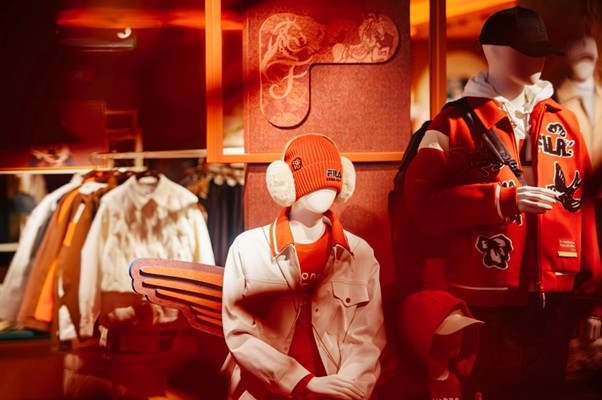
Start with three filters: how often the item will be used, how durable it feels, and how clearly it can carry the brand plus the offer. Buy fewer high-utility items instead of flooding the market with forgettable stock.
- Insulated drinkware: strong for daily carry, refill offers, and work commutes.
- Caps and tees: strong for visible walk-around impressions, local teams, and community events. Apparel is also one of the most common promo categories.
- Totes and cooler bags: strong for supermarkets, family orders, and weekend errands.
- Tech accessories: cable organisers or phone stands suit commuters, office workers, and service brands with desk-based customers.
- Car accessories: fresheners or dash wipes fit auto, tyre, and service reminders because they stay close to the next purchase moment.
Match the item to the buying context. A premium tumbler makes sense for a grand opening or local business partnership, while a low-cost bag stuffer works better in a letterbox pack. If waste is a concern, the answer is not cheaper stock. It is more selective distribution.
Print a QR code and unique code on each item or its insert, then test matte and gloss finishes for scan reliability. Add a short use-by window such as ‘Scan within 14 days’ to create urgency. A typical opening order runs from 1,200 to 2,000 mixed units per store, with 250 to 500 unit top-ups during the first quarter.
It also helps to bundle items into standard kits. A grand-opening pack, a community-day pack, and a business gifting pack make reordering faster and keep stores from improvising with off-brand choices.
Where to Deploy So Customers Actually See It
Distribution works best when it follows real customer traffic patterns and store milestones.
Use the franchise lifecycle as the map. Promo has the strongest effect when it appears near an opening, a relaunch, a loyalty push, or a community event with strong local attendance.
Pre-opening and grand opening: combine letterbox drops, bag stuffers, fridge magnets, and QR coupons with street teams at commuter chokepoints seven to ten days before launch. During the first 90 days, rotate through sports clubs, weekend markets, and high-traffic intersections. A simple cap of about 150 hand-outs per day helps reduce waste and keeps staff focused on better conversations.
Post-visit loyalty and referrals: use redemption-triggered gifts, such as a refillable cup after the third visit within 30 days. Add referral cards or codes that reward both parties. This works well because the item becomes a reminder to come back, not just a reward for showing up once.
Community and business-to-business activity: school fetes, chambers of commerce, and tradie breakfasts suit premium keepers. Give shift leads a small monthly allocation for standout customers and track each gift in the point-of-sale system with a reason code.
Where to Source and How to Run It at Scale
Scale gets easier when stores order locally from a centrally controlled system.
For franchisors that need consistent colours, decoration methods, and national delivery service levels across Australia, supplier choice directly affects brand control, launch timing, store confidence, inventory visibility, and the ease of handling approved offers across a growing network. To centralise sourcing and lock down Pantones while still enabling store-level ordering across regions and campaigns, promotional products may be worth reviewing.
Centralise procurement and decoration, then let stores order from a locked kit list. That protects the brand while still giving local teams room to choose the right quantity, timing, and approved offer for their area.
A strong promo portal should include approved items, brand colour references, print areas, calls to action, legal lines, and role-based budgets for head office, master franchisees, and stores. It should also report usage by store, region, and campaign, with inventory alerts before a launch date is at risk.
Score suppliers on lead times, colour tolerance, decoration methods, and service level agreements, which are the delivery promises they commit to in writing. Ask for proofs within 24 to 48 hours, clear dispatch time frames, and a reprint policy for defects. If the network is large, consider national warehousing for core kits and print-on-demand only for local inserts.
Sustainability needs the same discipline. Prefer durable items that get real use, minimise excess packaging, and avoid vague claims such as ‘green’ or ‘eco-friendly’ unless you can support them. The ACCC’s environmental claims guidance makes that standard clear, and the Australasian Recycling Label can help on eligible packaging.
How to Track Promo ROI Without Guesswork
Promo becomes far more valuable when every unit can be tied to a store, an offer, and a result.
Treat each item as media with a unique ID. Use a short URL, a QR code, and UTM tags, which are small tracking labels added to a link, for each store and campaign. Pair those with unique point-of-sale redemption codes and staff IDs so you can see where the item was distributed and who handled it.
Report the same metrics every month. Track impressions using a conservative formula, cost per impression, scans, clicks, redemptions, average ticket versus baseline, repeat visits within 30 days, and cost per incremental visit. This turns promo from a feel-good expense into a channel you can compare with paid search, social, and local sponsorships.
The sample math is straightforward. If 1,000 tumblers land at A$12 each, total spend is A$12,000. At 3,300 lifetime impressions per tumbler, total impressions reach 3.3 million and cost per impression is about A$0.0036. If 12% scan and 40% of scanners redeem, that creates 48 redemptions. At A$9 incremental margin each, that is A$432 in direct margin before repeat visits, loyalty value, and broader brand lift.
Use test discipline too. Compare two similar stores, keep the offer stable for two cycles, and kill any stock keeping unit with cost per impression above A$0.02 or redemption below 10% of scans. Reinvest in the top quartile performers.
Compliance Essentials for Australia, Plus New Zealand Notes
Strong promo campaigns stay simple, but they still need legal checks before rollout.
Advertising and environmental claims: under Australian Consumer Law, businesses must not make false or misleading claims in promotions, including price, product, and comparative claims. That rule also applies to packaging, inserts, and any ‘sustainable’ language used on the item or the landing page.
Direct marketing rules: email and SMS follow-up requires consent, sender identification, and a working unsubscribe under the Spam Act 2003. Australian Privacy Principle 7 also limits how organisations can use personal information for direct marketing.
Trade-promotion permits: chance-based promotions can trigger permit requirements. New South Wales requires a gaming authority, Victoria does not require a permit but imposes conditions, the ACT requires permits with fees linked to prize value, and South Australia requires a licence when total prize value exceeds $5,000. If a campaign runs across borders, build terms and conditions around the strictest applicable rule and confirm the latest state guidance before launch.
New Zealand: the Unsolicited Electronic Messages Act 2007 mirrors consent and unsubscribe rules for electronic messages. The Privacy Act 2020 and Gambling Act 2003 can also apply, so it is worth checking Department of Internal Affairs guidance before running a prize draw or sign-up mechanic.
Make Promo Items Work for You, Not Against You
A disciplined promo program can improve openings, local awareness, and repeat visits without wasting stock.
The winning formula is consistent. Choose keeper-grade items, connect them to a clear redemption mechanic, centralise sourcing, keep claims compliant, and measure every campaign with the same rigour used for other media.
A practical first step is a 30-day pilot in two demographically different stores. In week one, lock three stock keeping units, proofs, QR codes, UTM tags, and staff scripts. In week two, start local seeding with letterbox drops and commuter hand-offs. In week three, activate street teams and local partners. In week four, add community events and business outreach, then review results.
If cost per impression stays at or below A$0.01 and cost per incremental visit stays within 25% of margin, the rollout case is strong. Networks that build this discipline early will usually hold local mindshare longer than competitors chasing short-lived clicks.
FAQ
Most franchise teams can start small, test quickly, and stay compliant if they focus on the basics.
Do promo items still work when everyone is on their phone?
Yes. Useful physical items create repeated exposure over weeks or months, and that repeated exposure supports recall. The strongest results come when each item also points to a digital action, such as a QR scan or location page visit.
What budget should a single store plan?
For a new opening, A$10,000 to A$20,000 is a practical range for 1,200 to 2,000 mixed units plus banners and staff apparel. After launch, plan A$500 to A$1,500 per month for top-ups in the first quarter, then adjust based on scan and redemption data.
How Do We Avoid Waste?
Buy fewer, better items and distribute them where intent is strongest. Small test runs, 250 to 500 unit top-ups, and clear kill rules after two cycles prevent dead stock from building up.
What’s the Right Number of SKUs?
Three core stock keeping units are enough for most concepts. Use one premium keeper, one high-volume hand-out, and one community or child-safe option, then support them with standard staff apparel.
How Do We Keep Colours and Claims Consistent Across the Network?
Use one approved ordering portal and lock brand colour references, materials, print areas, and legal copy. Require proofs and quality checks before every run rather than letting stores buy from unapproved local suppliers.
Do We Need Permits for Giveaways?
Sometimes. Chance-based promotions can require permits in New South Wales, the ACT, and South Australia, while Victoria applies conditions without a permit. Always confirm the current rules before launching any competition or prize draw.