
I’ve been thinking a lot lately about what it really means to be an entrepreneur in Australia right now. Not the glossy, Instagram-friendly version of entrepreneurship, but the real, grounded experience of building something in an economic climate that feels, at best, uncertain and, at worst, unforgiving. For me, franchising sits right at the centre of that conversation—a hybrid between independence and structure that reflects the broader tensions in today’s economy. Franchising builds on individual ability but provides the business model to amply success and enable to person entering the business to have a far greater chance of success.
When I joined the franchise industry a bit over 18 months ago as the CEO of the peak industry body, I really started to explore the franchise opportunities both in Australia and around the world. What become very apparent to me is that franchising is a safer entry point into business ownership, hands down. And in many ways, it still is. Franchising in Australia represents a massive part of the economy—worth over $174 billion annually to the Australian economy and employing more than 500,000 people . That scale alone tells me it’s not just a niche pathway; it’s a major engine of small business activity with some 90,000 businesses engaged in franchising.
But what’s changed is the context in which franchising operates. The Australian economy heading into 2026 is defined by what I’d call “cautious momentum.” Growth is expected, but it’s modest—hovering around 2–2.5%—and business confidence is mixed . I feel that tension everywhere: costs are rising, customers are more price-sensitive, and yet there’s still opportunity if you can navigate it correctly. The complexities of the economy potentially create more opportunities.
Entrepreneurship, at its core, is about ownership—of decisions, outcomes, and risk. Franchising doesn’t remove that; it reframes it, by offering a pathway with support and guidance yet enabling people to be their own boss.
One of the biggest insights I’ve gained is how much the current economic climate is pushing entrepreneurs, including franchisees, to focus on margins rather than revenue. There’s a shift happening across Australian businesses where “margin is the strategy” . With the latest fuel crisis abounding Australia and the content cost of everything seemingly ever increasing business management skills and knowing the detail about your business as become more important than ever. That is the strong value proposition of franchising.
At the same time, the broader economic environment is shaping customer behaviour in ways that directly affect franchisees. Cost-of-living pressures are real, and they influence how and where people spend. I’ve noticed that consumers are becoming more selective—they still spend, but they expect value, consistency, and convenience. That plays directly into the strengths of well-run franchise systems, which are designed to deliver predictable experiences.
But there’s another layer to this: population growth and migration. Australia’s growing population is driving demand for services, food, and retail, which in turn supports franchise expansion . I see this as one of the quiet advantages of operating here. Even in a slower economy, underlying demand is still expanding.
Still, I can’t ignore the challenges. Rising costs—energy, wages, insurance, fuel—are putting pressure on every business model. Many leaders describe the outlook as “uneven” or even “mediocre” . From my perspective, that means there’s less room for mistakes. You can’t rely on a rising tide to lift your business; you have to be deliberate, disciplined, and constantly adapt.
This is where I think the real entrepreneurial mindset becomes critical, even within a franchise system. It’s easy to assume that buying a franchise means buying certainty. But in reality, it’s more like buying a framework. The execution—the daily decisions, the customer relationships, the cost control—that’s still entirely on you.
Another shift I’ve noticed is the growing importance of productivity and technology. Australian businesses are increasingly focused on efficiency, automation, and smarter operations . For franchisees, this can be both an advantage and a challenge. The systems are often already in place, but the expectation to use them effectively is higher than ever.
So where does that leave someone like you, trying to make sense of franchising in this environment?
I see it as a balancing act. Franchising offers a structured path into entrepreneurship, which is incredibly valuable in uncertain times. It reduces some of the risks, shortens the learning curve, and provides a support network. But it doesn’t replace the need for entrepreneurial thinking—it amplifies it.
The current economic climate in Australia is not easy, but it’s not hopeless either. It’s selective. It rewards discipline, adaptability, and a clear understanding of what actually drives profit.
For me, that’s the key insight: entrepreneurship today isn’t about chasing growth at all costs. It’s about building something sustainable within constraints. And franchising, when approached with the right mindset, can be one of the most practical ways to do exactly that.
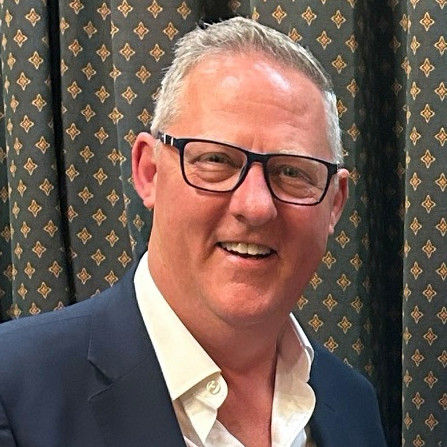
Jay Westbury
Jay brings over two decades of experience in leading peak industry bodies as CEO and has previously been Chair and Vice chair of industry groups both in Australia and globally. The sectors he has previously worked across have close ties to franchising, giving Jay a deep understanding of the unique challenges and opportunities within the franchise industry.
With an MBA from the Australian Institute of Business and a deep background and understanding of achieving public policy outcomes across the Australian political landscape, Jay leads the FCA across all of the member and stakeholder engagements, policy and FCA governance.