

As you may be aware New Zealand is deregulated for franchising with no franchise specific legislation at all but we have the Franchise Association of New Zealand (FANZ). It publishes a Code of Practice and Ethics and all members must comply with the Code and operate according to the Constitution. New Zealand is also the most franchised country in the world per capita with 546 business format franchise systems, nearly 30,000 units operating in franchises and more than 114,000 people employed.
Franchise New Zealand website has a section “Popular Searches” and it lists six types of franchise systems as follows:
Trade-based
Coffee & café
Home-based
Food
Eco-friendly
Fitness, health and beauty
Food, of course, is always very popular and many overseas food franchisors are attracted to New Zealand. Why? Farrah Rose, who is head of the International Development at The Franchising Centre in the UK and a member of the British Franchise Association, has previously written that “…my recent visit to this wonderful country has shown me that New Zealand is probably one of the most sophisticated, discerning, and well-developed franchise markets in the world”. New Zealanders are hearty eaters and I personally love trying new food types from anywhere globally.
Entrepreneur Magazine has listed franchises under the following categories: pets, Asian cuisine, personal care, health and wellness, home improvement, maintenance, recreation, retail, tech businesses, and even junk removal.
What is popular in New Zealand
Back to trending franchise systems in New Zealand – how do I view it as a franchising lawyer acting for many franchisors but also acting for franchisees who want to go into a franchise system?
In relation to food, I have to list McDonald’s, KFC and Taco Bell.
For franchises in Australia and New Zealand that serve or process food, maintaining high standards of hygiene and staying current with employment laws is crucial. Franchisors must stay informed and offer clear guidance to their franchisees.
Food safety is very important and health grades can make or break a restaurant. In New Zealand there are four statutes which govern the Ministry for Primary Industries’ Food Safety Responsibilities and these are:
Food Act 2014
Animal Products Act 1999
Agricultural Compounds and Veterinary Medicines Act 1997
Wine Act 2003
All food businesses, including restaurants and cafes with an alcohol licence, have to be registered under the Food Act and any business which is not registered commits an offence and is liable for infringement fees.
The laws not only apply to traditional restaurants but also extend to early childhood education centres that provide food, processors of nuts, seeds, and coffee beans, as well as manufacturers of food for vulnerable populations like infants and the elderly.
Under these regulations, higher-risk businesses are required to have a written food safety plan in place. The Act defines “safety” as a condition where food, in relation to its intended use, is unlikely to cause illness, injury, or harm to human health or public safety.
Local authorities are responsible for assessing and grading food establishments, and franchisors must remain aware of the Food Hygiene Regulations of 1974.
Interestingly, food licenses are graded on a scale from A to E, with no “C” grade. Establishments are either above or below average when it comes to food safety standards. The grading system is as follows: A (High), B (Good), D (Poor), and E (Unsatisfactory).
Discrimination Is Not Tolerated
It is crucial to understand that in New Zealand, lesbian, gay, bisexual, transgender, and intersex (LGBT) individuals have the same rights as everyone else. The Human Rights Act 1993 prohibits discrimination based on sexual orientation and, by extension, gender identity or expression.
Although instances of discrimination still occur, significant progress has been made in protecting the rights of sexual and gender minorities. Key human rights related to sexual orientation and gender identity include the right to be free from discrimination, the right to be recognized as a person before the law, and the right to life, liberty, and security. Other rights include protection from arbitrary detention, the right to a fair trial, an adequate standard of living (including decent work and housing), access to education and healthcare, protection from medical abuse, participation in public and cultural life, and the right to freedom of expression, association, peaceful assembly, and thought.
Franchisors and franchisees, particularly those employing staff, must be fully aware of LGBT rights and ensure these rights are respected at all times. Any infringement of these rights could constitute sexual harassment. For transgender individuals, it is solely their choice whether to disclose their gender identity, as a person's sex or gender identity has no bearing on their ability to perform a job. There are very limited situations in which it may be legal to hire a specific gender for a role, but even in these cases, transgender individuals may need to provide evidence of their sex.
Drug Testing in Employment Agreements
In New Zealand, many employment agreements grant employers the right to randomly test employees for illicit drug use with consent. For businesses involved in food preparation or customer-facing services, it is crucial that employees maintain a drug-free status.
The Misuse of Drugs Act 1975 classifies illegal substances based on their level of risk. The key categories are:
Class A (High risk): Methamphetamine, magic mushrooms, cocaine, heroin, LSD
Class B (Moderate to High risk): Cannabis oil, hashish, morphine, opium, ecstasy, amphetamines
Class C (Moderate risk): Cannabis plants, cannabis seeds, codeine
It is illegal to use, possess, cultivate, or traffic controlled drugs. Penalties for youth offenders (under 17) are less severe than for adults (17 and over). The most serious offence is trafficking, which includes manufacturing, distributing, or selling illegal drugs.
If drugs are found in the workplace, employers should involve the police and an employee could be dismissed depending upon the employment contract. While employers are not obligated to provide support, some larger organizations include it in their drug testing policies.
Franchise Codes
Regardless of what franchise system a person is looking at, you will be asked to sign a franchise agreement and it will cover the payments which must be made, including the upfront payment and ongoing royalty, the term of the franchise and rights of renewal of term, the training and support which the franchisor will provide, precise boundaries of the territory awarded to you, the nature and extent of the franchisee’s obligations, including buying supplies and services, and the right to sell or transfer the franchised business.
When a prospective franchisee is doing its due diligence in relation to any franchise system, a lot of information must be ascertained from the franchisor including the franchisor’s financial health and history, how it has been franchising, the total cost of taking up the franchise, realistic working capital required, types and amounts of advertising support, any requirement to buy products from the franchisor, and the launch or opening assistance.
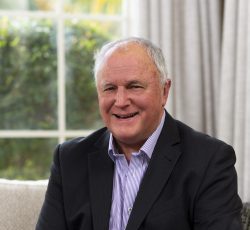 Stewart Germann
Auckland
Franchise Attorney – May 2026
Stewart Germann who is acknowledged as New Zealand’s leading franchising lawyer with over 40 years’ experience in this area, is a recognised national and international guest speaker at franchise conferences in New Zealand, Australia and USA.
Stewart Germann Law Office (SGL) is New Zealand’s longest established specialist franchising law firm and Stewart is recognised in the Lexology Index Thought Leaders 2025: Global Elite in the Franchising Category. SGL’s clients include many of New Zealand’s best known national and international franchise brands and Stewart has extensive franchising contacts worldwide and locally. Stewart Germann is actively involved in international franchising, has published articles in the International Journal of Franchising Law and has attended and participated in many FCA conferences.
Stewart was awarded the ONZM in the New Year Honours List 2026 for services to franchise law.