The world of work is in the midst of a quiet revolution. Traditional 9-5 structures are losing relevance, autonomy is becoming a core value and people across industries are seeking careers that feel more purposeful, more flexible and more human. The question shaping so many decisions is no longer “What job should I do next?” but rather, “What do I want my life to look like – and how can work support that?”
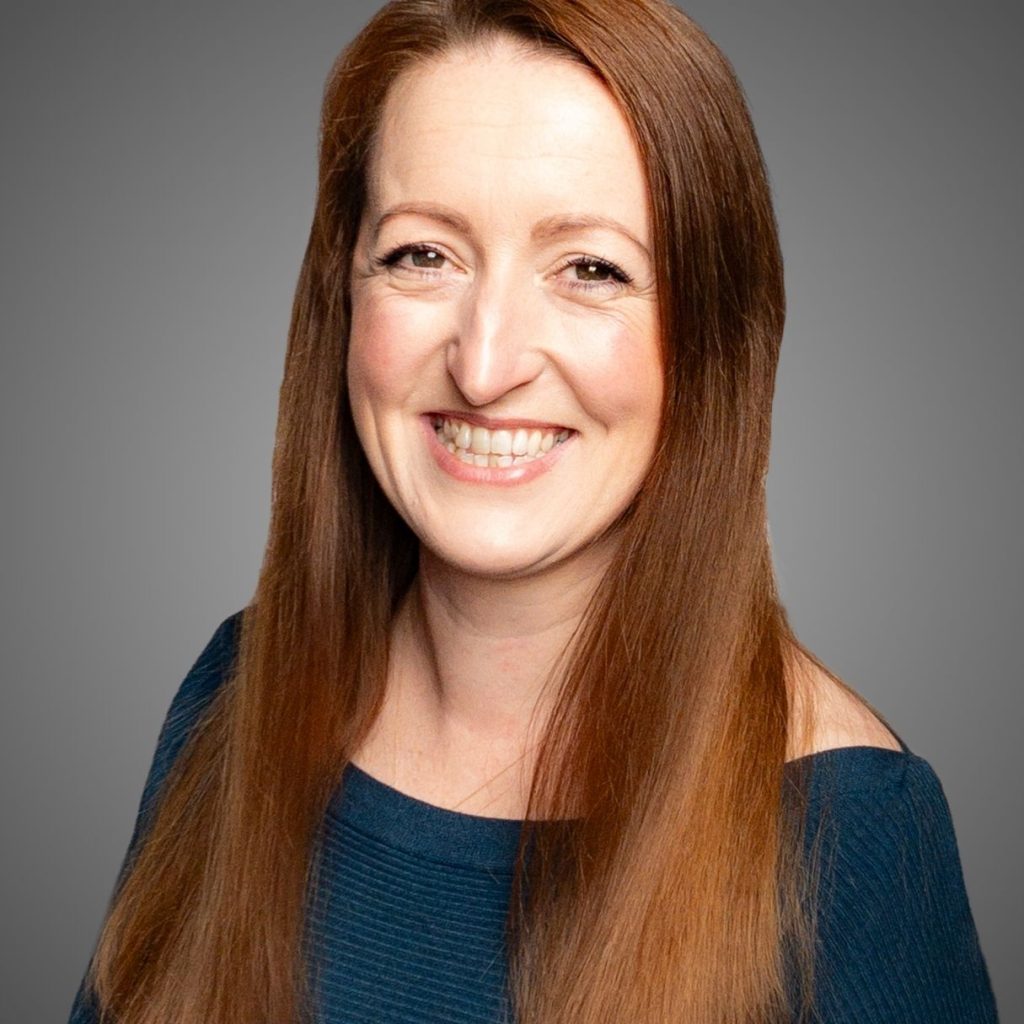
Having worked closely with hundreds of people exploring new career paths, CEO of Stagecoach Performing Arts Lisa Stead has watched these shifts unfold in real time. Her work in franchising and performing arts places her at a crossroads where prospects reassess not just what they do for a living, but what they want that work to represent.
Drawing on that experience, she offers the following guidance for anyone rethinking their working life in 2026.
- Start with the life you want, not the job you think you should have
Many people jump straight into job searching before stopping to ask what they actually want their days to look like. Do you want slower mornings with your family? Do you want creativity to be part of your routine again? Do you want work to feel more grounded, more joyful or simply less frantic?
Plenty of Stagecoach franchisees only reach that clarity after taking a step back. Someone realises they want their working hours to align with school pick-up times. Another recognises they miss being part of a community. Once your priorities are clear, the right opportunities start revealing themselves without forcing anything.
- Be really clear about what flexibility means to you
Flexibility has become one of the most desirable features in any career, but it means something different for everyone. One person might want to build a business around their family life. Another might be looking for the freedom to shape their own team culture. Someone else might simply want steady work that still leaves room for personal passions.
At Stagecoach, people often talk about rhythms that suit them perfectly. Some love running a business that comes to life in the afternoons and weekends. Others appreciate the balance offered by term-time schedules and creative energy. Once you understand your version of flexibility, you stop settling for work that only sounds flexible on the surface.
- Look for independence with support, not independence that leaves you stranded
Wanting more control over your work is completely natural but wanting to do everything alone is far less common than people think. Autonomy feels empowering when you know there’s guidance behind you. It feels overwhelming when you are left guessing.
This is why more people are turning to franchising. It offers the best of both worlds: the chance to run your own business with the reassurance of proven systems, training and a community of people who’ve been where you’re standing. When independence is backed by support, stepping into something new becomes far more achievable.
- Pay attention to the work that gives you energy
Work that drains you day after day is almost impossible to sustain. But work that gives you energy creates its own momentum. That energy usually comes from making an impact, connecting with people or contributing to something that feels meaningful.
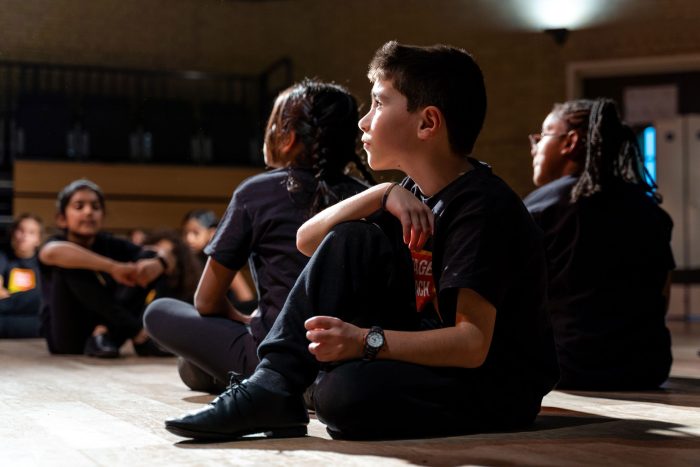
Within Stagecoach, those energising moments are easy to spot. A child stepping on stage for the first time. A nervous teenager discovering confidence. A room full of students cheering one another on. These moments help franchisees feel excited about their work, even when the days are busy. Whatever franchise model you explore, look for the kind of impact that fills you back up rather than wears you down.
- Treat a career pivot as growth, not a reset
There’s still a belief that changing direction means “starting over”, but modern careers rarely follow straight lines. The skills you’ve built over the years – communication, empathy, leadership, resilience – are often the very skills that help franchisees thrive.
Stagecoach franchisees regularly come from backgrounds that look nothing alike on paper, from healthcare to finance to hospitality. What they bring with them is experience, maturity and strong human skills. A pivot is not a step backwards. It’s an opportunity to put your strengths to work in a setting that fits better.
- Build your next chapter with people around you, not in isolation
Franchising is often appealing because it sits in the sweet spot between independence and community. You are not an employee, but you are also not alone. Supportive networks give you people to ask, people to learn from and people to share the journey with. They also make change feel far less daunting.
Whether you join Stagecoach or another franchise entirely, look for a network where collaboration feels natural and encouragement is part of the culture. A strong franchising community turns uncertainty into confidence and makes the early stages of business ownership feel much more manageable.
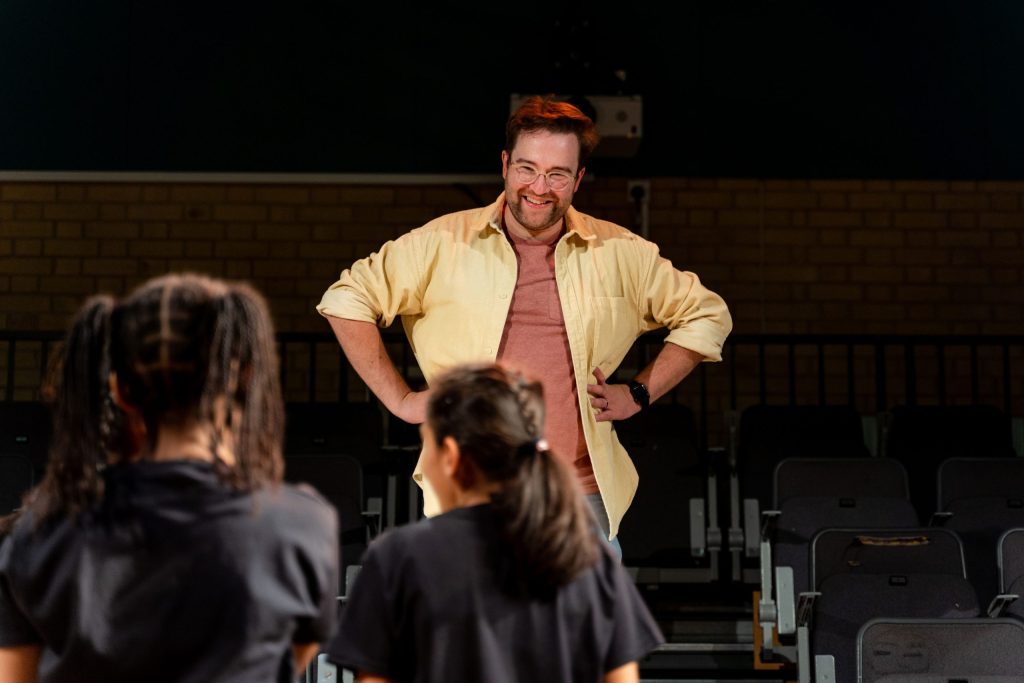
A new definition of work
As the future of work continues to evolve, one message comes through clearly. People are taking ownership of how work fits into their lives, rather than shaping their lives around work. Purpose, autonomy and human connection are no longer luxuries. They are expectations.
Franchising is one of the routes that allows people to build a career aligned with these values. But the core principle remains the same: choose work that supports the life you want to build, not the life you feel stuck in.
For more information about franchise opportunities with Stagecoach, visit www.stagecoachfranchise.com
For more information, or to speak with Lisa Stead, contact Charlie Milne at Rev PR on 07548 810658 or email [email protected]