

By Doug Downer
For many people, becoming a franchisee represents the fulfilment of a lifelong ambition.
The opportunity to be your own boss, build wealth, create a legacy for your family and take control of your future is incredibly appealing. Every year, thousands of Australians explore franchise opportunities because they see franchising as a safer pathway into business ownership than starting from scratch.
And in many respects, they are right.
Franchising provides aspiring business owners with a recognised brand, proven systems, established operating procedures, marketing support, training, buying power and ongoing guidance. These advantages significantly improve the likelihood of success when compared to independent small businesses. In fact, the success rate in franchising is twice as successful as independent businesses but it still comes with risk, as many as 10% of franchisees are not successful, not because the brand doesn’t work but perhaps the franchisee selected the wrong franchise or got into franchising for the wrong reasons. This article will highlight what you need to know before committing to a franchise. One of the biggest mistakes prospective franchisees make is entering franchising with unrealistic expectations.
After more than 40 years in franchising—as a franchise executive, franchisor, franchisee, master franchisee, investor and consultant—I have seen outstanding success stories and disappointing failures. In most cases, success or failure was not determined by the franchise system itself, but by whether expectations aligned with reality.
If you're considering becoming a franchisee, here's what you should genuinely expect.
You're Not Buying a Franchise—You're Joining a System
One of the most common misconceptions in franchising is that franchisees are "buying a franchise."
In reality, you're investing in the right to use a proven business system.
The franchisor has already spent years developing the brand, refining the operating model, creating intellectual property, testing marketing strategies and establishing systems designed to produce consistent outcomes.
Your role is not to reinvent the business.
Your role is to execute the system exceptionally well.
Many franchisees come into a business believing they can immediately improve the model. While innovation is important, successful franchise systems are built on consistency. The businesses that perform best are typically operated by franchisees who embrace the system rather than fight it.
Franchising is not entrepreneurship in its purest form. It is business ownership within a framework. Some people might not like me saying this but I believe Franchisors are entrepreneurs and franchisees are entrepreneurial and there’s a big difference.
The sooner you understand that distinction, the more likely you are to succeed.
Expect a Trade-Off Between Independence and Support
One of the greatest strengths of franchising is support.
One of the biggest sacrifices is complete independence.
These two things are directly connected.
The reason franchise systems create successful outcomes is because franchisees agree to follow common standards, systems and processes.
The franchisor will often determine:
- Core products and services
- Brand standards
- Marketing strategies
- Technology platforms
- Operating procedures
- Supplier relationships
- Customer experience standards
Some prospective franchisees struggle with this concept.
They say they want support but resist direction.
The reality is that support only works when both parties honour their responsibilities.
The franchisor provides the framework.
The franchisee executes the framework.
The most successful franchisees understand this partnership and embrace it.
Expect to Work Harder Than You've Ever Worked Before
Many people leave employment because they want more freedom.
Ironically, most new franchisees discover that business ownership initially requires less freedom, not more.
In the early stages of franchise ownership, expect to invest:
- More time
- More energy
- More emotional commitment
- More personal sacrifice
Business ownership demands an ownership mindset.
Employees are paid whether the business performs well or poorly.
Owners think differently.
Owners worry about:
- Revenue
- Profitability
- Customer satisfaction
- Staff performance
- Cash flow
- Marketing effectiveness
- Local competition
The transition from employee thinking to owner thinking can be one of the most significant adjustments a new franchisee experiences.
That's why I often say that many people don't buy a business—they buy themselves a job, initially.
The key is to build systems and teams that eventually allow the business to work for you rather than relying entirely on you.
Expect an Emotional Rollercoaster
One of the most valuable concepts I share with prospective franchisees is Greg Nathan's Franchise E-Factor.
Every franchise relationship follows a predictable emotional journey.
Initially, there is excitement.
You attend discovery days, meet the support team, review financial models and start imagining what your future could look like.
Everything feels positive.
Then reality arrives.
You discover that customers don't automatically appear.
Staff don't always perform perfectly.
Systems aren't always flawless.
The franchisor isn't always available exactly when you want them.
The honeymoon period ends.
Many franchisees experience frustration at this stage.
This is completely normal.
What separates successful franchisees from unsuccessful franchisees is their ability to push through this period and focus on building the business rather than blaming the system.
Every franchise relationship experiences highs and lows.
Understanding this before you begin helps prevent unnecessary disappointment.
Expect Support—But Don't Expect Someone to Run Your Business
One of the most dangerous expectations in franchising is believing the franchisor will make you successful.
They won't.
They can't.
The franchisor provides:
- Training
- Systems
- Marketing
- Coaching
- Tools
- Resources
- Operational guidance
What they cannot provide is execution.
The franchisee must still:
- Lead the team
- Build customer relationships
- Manage costs
- Drive local sales
- Maintain standards
- Follow the system
Think of the franchisor as a personal trainer.
A personal trainer can provide the workout plan, nutrition advice and encouragement.
But they cannot do the push-ups for you.
Success in franchising is exactly the same.
I recently heard a very successful multi-unit franchisee talk about his franchisors (as he operates multiple franchise brands) and he said “My franchise royalty is an average 6% and what I’ve come to realise is that is probably the percentage impact that the franchisor will have on my success, the other 94%, that’s on me”.
Expect to Be Measured
Many people are uncomfortable with accountability.
If that's you, franchising may not be the ideal pathway.
Franchise systems thrive because performance is measured.
Expect your franchisor to monitor:
- Sales performance
- Customer satisfaction
- Operational standards
- Compliance
- Training completion
- Financial metrics
This isn't designed to control franchisees.
It's designed to improve outcomes.
The best franchisees actively seek feedback because they understand that accountability drives performance.
In fact, many franchisees achieve more inside a franchise system than they ever would have achieved independently because someone is helping them stay focused on what matters.
Expect to Follow the Rules
Every successful franchise system has rules.
These rules aren't designed to restrict franchisees.
They're designed to protect the brand.
Imagine if every McDonald's restaurant decided to create its own menu, pricing structure, operating hours and customer service standards.
The brand would quickly become inconsistent.
Customers choose franchise brands because they know what to expect.
Consistency creates trust.
Trust creates loyalty.
Loyalty creates profitability.
The best franchisees recognise that compliance isn't about surrendering independence.
It's about protecting the value of the asset they've invested in.
Expect to Be Fully Invested
When I wrote my book Invested, I deliberately chose that title because franchising is about far more than money.
Successful franchisees invest:
- Time
- Energy
- Passion
- Commitment
- Learning
- Financial resources
The best franchisees are all-in.
They don't treat the business as a side project.
They don't look for shortcuts.
They don't wait for someone else to create success for them.
They understand that the return they receive is directly related to the effort and commitment they contribute.
Likewise, great franchisors are invested in their franchisees.
They continue developing systems, improving marketing, introducing technology and strengthening the brand.
The most successful franchise relationships occur when both parties are equally invested in each other's success.
Expect to Build Relationships
Franchising is ultimately a people business.
Many franchisees believe success is determined by products, services or marketing.
Those things matter.
But long-term success is usually determined by relationships.
Relationships with:
- Customers
- Staff
- Suppliers
- Other franchisees
- Field support teams
- Franchisor leadership
The strongest franchise systems create communities rather than networks.
The best franchisees actively engage with conferences, training programs, meetings and peer groups because they understand that learning from others accelerates growth.
Some of the most valuable advice you'll ever receive will come from another franchisee who has already solved the problem you're currently facing.
Expect Continuous Learning
The moment a franchisee believes they know everything is usually the moment performance starts to decline.
The best franchisees are lifelong learners.
They attend conferences.
They participate in training.
They seek coaching.
They read.
They ask questions.
They remain curious.
Markets evolve.
Customers evolve.
Technology evolves.
Franchise systems evolve.
The franchisees who embrace continuous improvement consistently outperform those who become complacent.
Expect Business Ownership to Change You
Perhaps the most important thing to expect is personal growth.
Business ownership has a remarkable ability to expose both strengths and weaknesses.
It forces you to become:
- More resilient
- More disciplined
- More accountable
- More financially aware
- More emotionally intelligent
- More focused on outcomes
It teaches lessons that employment rarely teaches.
For many franchisees, the personal development journey becomes every bit as rewarding as the financial outcomes.
Final Thoughts
Franchising is not a guaranteed pathway to success.
No business model can make that promise.
However, franchising remains one of the most effective ways for everyday Australians to enter business ownership with the support of a proven system, established brand and experienced team.
The key is entering with realistic expectations.
Expect hard work.
Expect accountability.
Expect challenges.
Expect support.
Expect growth.
Most importantly, expect that your success will be determined not by the franchise system alone, but by how committed you are to making that system work.
The franchisees who thrive understand a simple truth:
The most successful people in franchising aren't necessarily the smartest, the wealthiest or the most experienced.
They're the most invested.
And that's where the journey truly begins.
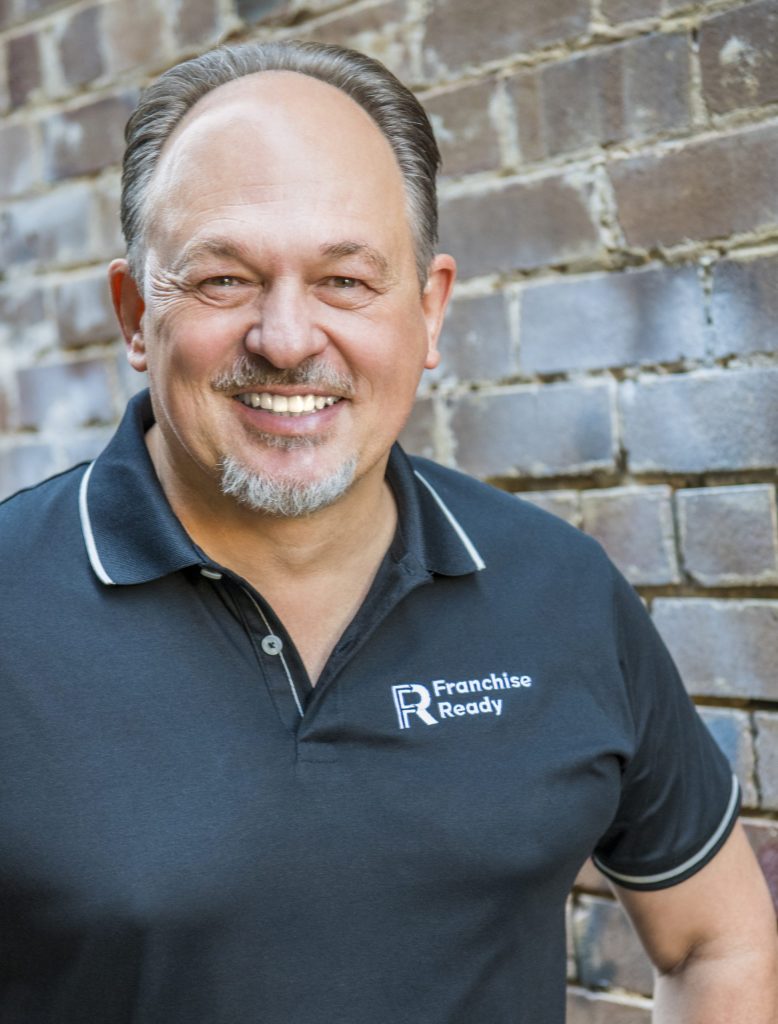
Doug Downer an experienced Franchising expert with an impressive 30+ year senior management history in developing and leading businesses within the Franchising sector. He has been recognized 5 time Top 30 Franchise Executives in Australia on four occasions and 5 time Global influencer in franchising on three occasions.
Doug owns three franchises as a franchisee and has owned 8 franchises as a franchisee, he has been responsible for the establishment of three of his own start-up franchise systems including all aspects from strategy through to market entry. Doug has operated at CEO and Director level in eight franchise systems. He also started and currently owns and operates five successful SME Businesses of his own, so he is well versed in all aspects of franchising.
Contact Doug at: [email protected] | Website: www.franchiseready.com.au